Biodiversity Trade-offs
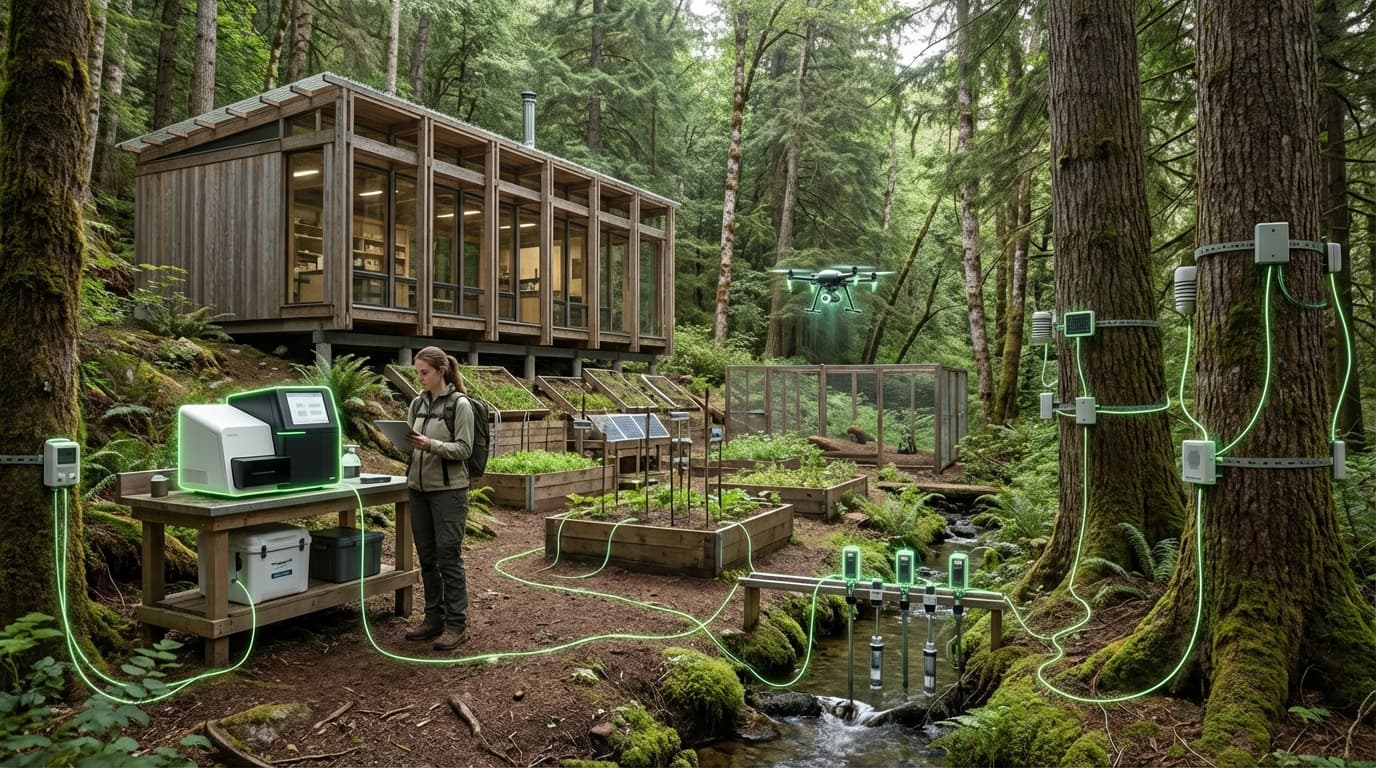
Biodiversity trade-off frameworks evaluate how climate tech interventions—BECCS plantations, gene-edited corals, engineered forests—affect native species, water cycles, and cultural landscapes. They combine ecological modeling with participatory governance, ensuring projects include biodiversity net-gain plans, monitoring triggers, and exit strategies if unintended impacts surface. Ethical review boards weigh carbon benefits against risks such as monocultures, invasive spread, or altered food webs, and they enforce mitigation hierarchy: avoid, minimize, restore, offset.
Developers must map baseline biodiversity, consult indigenous knowledge holders, and set aside conservation corridors before deploying large-scale biomass or geoengineering pilots. Regulators may require adaptive management contracts, biodiversity bonds, or insurance when risk of irreversible damage exists. International treaties (CBD, CITES) and emerging EU/UK due-diligence rules push companies to disclose nature impacts alongside carbon metrics.
These frameworks are TRL 3–4 but rapidly evolving as investors demand nature-positive strategies. Tools like TNFD, Science Based Targets for Nature, and biodiversity digital twins equip decision-makers with data to balance climate ambition with ecological integrity, preventing unintended harm to the biosphere.
Related Organizations
Germany · Consortium
The global body assessing the state of biodiversity and the ecosystem services it provides to society, explicitly analyzing trade-offs between climate action and nature.
Global authority on the status of the natural world and the measures needed to safeguard it, including the Global Standard for Nature-based Solutions.

Conservation organization promoting the responsible use of biotechnologies (genetic rescue, de-extinction) to solve conservation challenges.

Taskforce on Nature-related Financial Disclosures (TNFD)
United Kingdom · Consortium
Develops a risk management and disclosure framework for organizations to report and act on evolving nature-related risks.
Australia · Government Agency
Leads the Reef Restoration and Adaptation Program, researching assisted evolution and heat-tolerant corals.

Interdisciplinary research group mapping global ecology to understand the potential and trade-offs of restoration (e.g., tree planting) on climate.

Global environmental organization that models the impacts of renewable energy siting on wildlife and habitats.

Global research organization that manages the Aqueduct Water Risk Atlas and other open data platforms.

Organization working to align global finance with nature-positive outcomes and equitable distribution of nature markets.

The organization that manages the Verified Carbon Standard (VCS), the world's most widely used voluntary GHG program.
Supporting Evidence
Research this in Signals
Signals turns a topic into a sourced research record you can inspect and rerun. Your first scan is free, and this one starts with Biodiversity Trade-offs already loaded, so edit it or scan as is.