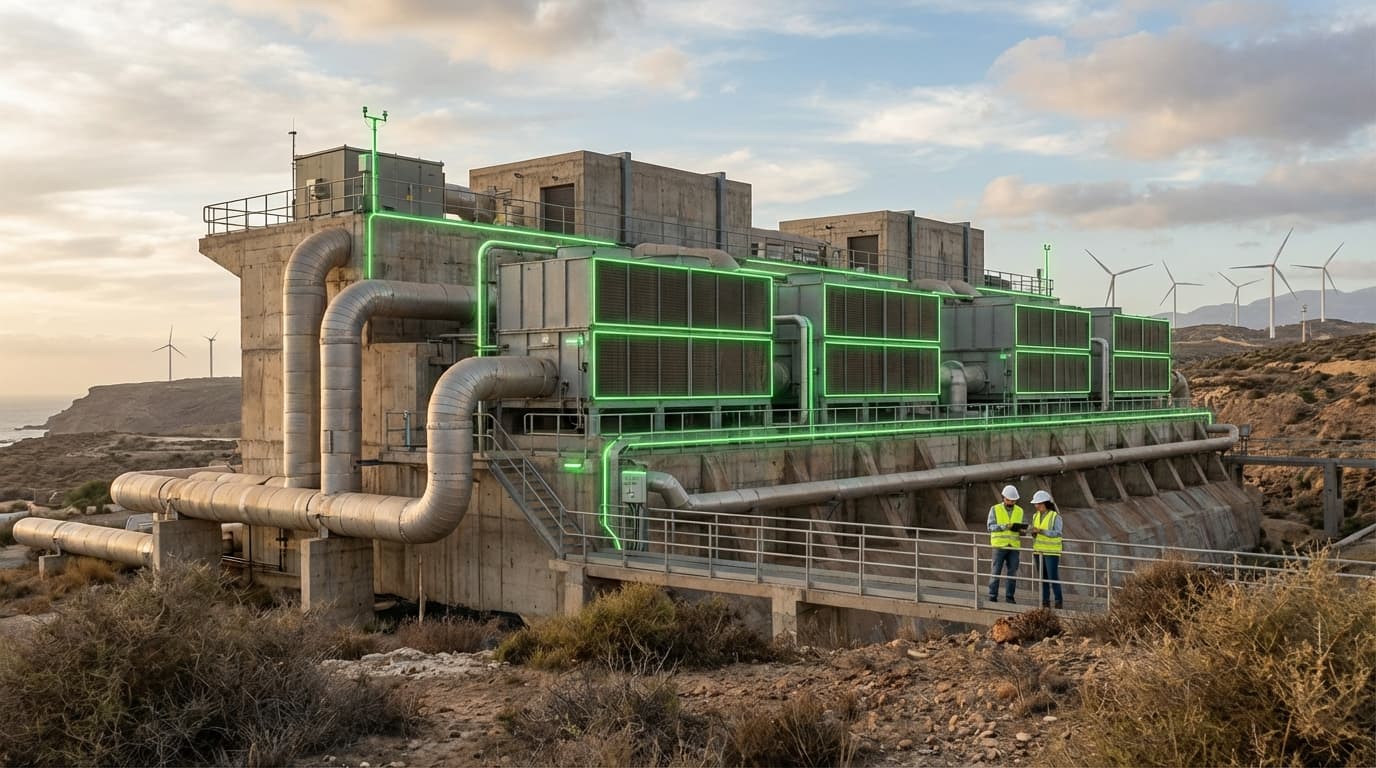
Intergenerational Governance for Long-Lived Interventions
Long-lived infrastructure, nuclear waste repositories, and geoengineering proposals can outlast political cycles by centuries. Intergenerational governance frameworks create institutions—future generations ombudspersons, citizens’ assemblies, constitutionally mandated climate councils—that scrutinize decisions through a multi-decade lens. They employ scenario planning, discount-rate reforms, and social cost of carbon updates to ensure today’s benefits do not impose disproportionate risks on descendants. Legal tools include rights-of-nature statutes, intergenerational trusts, and judicial doctrines allowing youth to sue governments for inadequate climate action.
Countries like Wales, Hungary, and Germany have already appointed future generations commissioners; Pacific Island nations experiment with cultural guardianship councils overseeing long-term adaptation. Infrastructure approvals can require legacy stewardship funds, fail-safe designs, and clear decom missioning plans, while geoengineering research proposals must detail monitoring for decades. Digital archives, storytelling, and indigenous legal frameworks preserve knowledge so future caretakers understand intent and constraints.
This governance mode is TRL 2–3, but climate litigation, constitutional amendments, and youth movements are accelerating adoption. Embedding intergenerational safeguards into permitting, finance, and treaty obligations will help societies manage irreversible interventions responsibly.
Related Organizations
Committee for the Future
Finland · Government Agency
A standing committee in the Parliament of Finland that deliberates on future-related matters.
Independent statutory body acting as a guardian for the interests of future generations in Wales.
Germany · Nonprofit
Think tank and activist group advocating for intergenerational justice in politics and law.

Works with multilateral organizations and governments to embed long-termism into policy-making.

Fosters long-term thinking and responsibility through projects like the 10,000 Year Clock.

Interdisciplinary research centre at the University of Cambridge studying risks that could lead to human extinction.
United Kingdom · Nonprofit
Helps leaders and organizations use strategic foresight to make better long-term decisions.
United Kingdom · Nonprofit
An independent group of global leaders working together for peace, justice, and human rights.
Supporting Evidence
Research this in Signals
Signals turns a topic into a sourced research record you can inspect and rerun. Your first scan is free, and this one starts with Intergenerational Governance for Long-Lived Interventions already loaded, so edit it or scan as is.