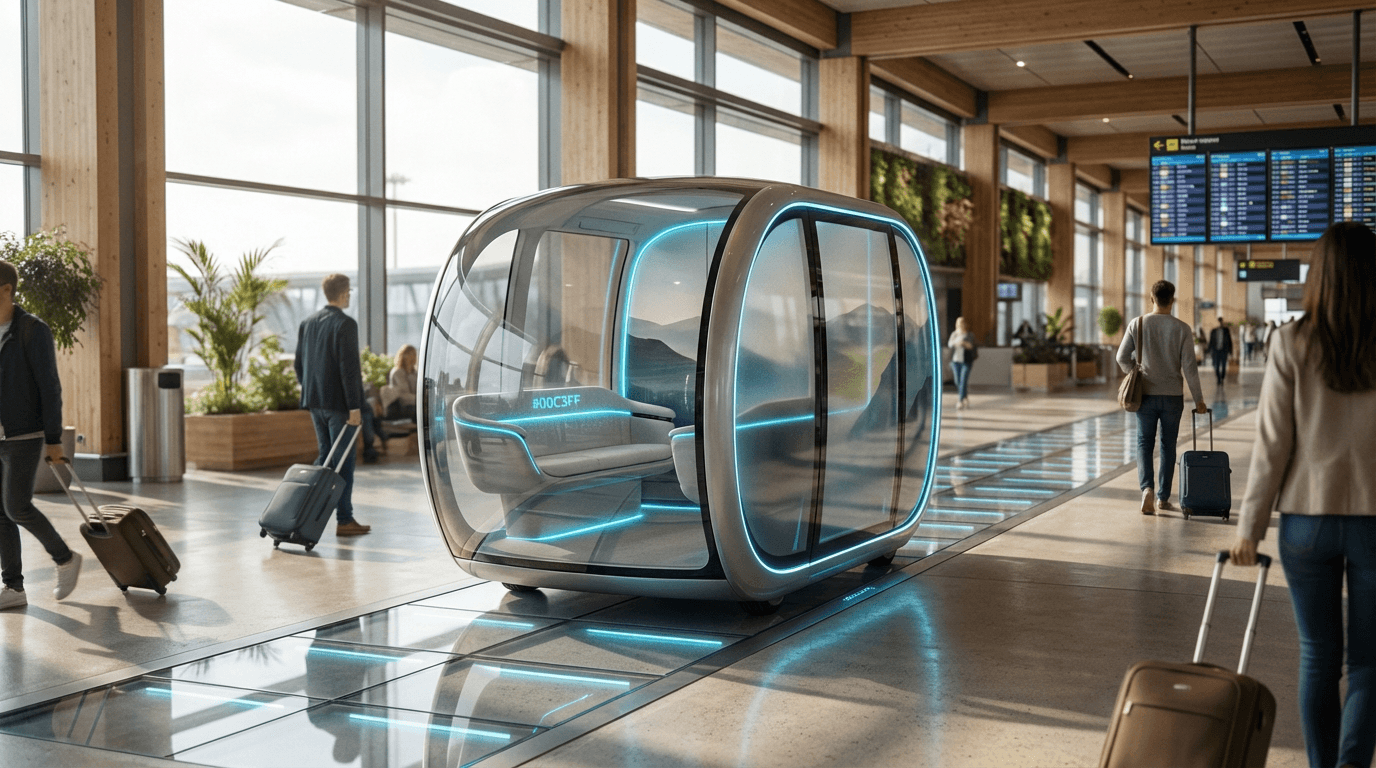
Wellness & Mobility Integration
The modern travel experience has become increasingly associated with stress, anxiety, and physical discomfort, creating a paradox where the act of traveling—once romanticized as adventurous and rejuvenating—often leaves people depleted rather than energized. Traditional mobility infrastructure has prioritized efficiency and throughput over human well-being, resulting in sterile airports, cramped transit vehicles, and journeys that exacerbate rather than alleviate the mental health challenges many travelers face. Wellness & Mobility Integration addresses this fundamental disconnect by reimagining travel systems through the lens of human psychology and well-being, incorporating evidence-based design principles that actively support mental health throughout the journey. This approach recognizes that travel infrastructure is not merely a conduit for moving people from point A to point B, but rather an environment that profoundly influences emotional states, stress levels, and overall quality of life.
At its core, this solution applies human-centered design methodologies and therapeutic interventions directly into the physical and experiential fabric of mobility systems. Biophilic design elements—such as natural lighting, living plant walls, water features, and organic materials—are integrated into transit hubs and vehicles to reduce cortisol levels and promote psychological restoration. Social connection features might include communal seating arrangements that encourage positive interactions, designated quiet zones for those seeking solitude, or digital platforms that facilitate meaningful connections between travelers with shared interests. Mindfulness-integrated experiences could range from guided meditation audio available in airport lounges to sensory design elements that encourage present-moment awareness, such as tactile surfaces, ambient soundscapes, or visual installations that invite contemplation. The technical implementation draws from environmental psychology research, neuroscience findings on stress reduction, and behavioral science insights about what creates restorative environments.
Early implementations of wellness-focused mobility design are emerging in progressive transit systems and hospitality contexts worldwide. Some airports have introduced meditation rooms, yoga studios, and forest-themed relaxation areas, while certain airlines are experimenting with circadian lighting systems and aromatherapy to reduce jet lag and travel anxiety. Transit authorities in several cities are piloting nature-inspired station designs and implementing programs that train staff in trauma-informed customer service approaches. As awareness grows around the mental health costs of modern travel—from business traveler burnout to the social isolation experienced by frequent commuters—the integration of wellness principles into mobility infrastructure represents a significant shift toward more humane and health-supporting travel ecosystems. This evolution aligns with broader trends in preventive healthcare, workplace wellness initiatives, and the growing recognition that built environments play a crucial role in public health outcomes.
Related Organizations


The flag carrier of Australia and the country's largest airline.

An app that provides personalized light exposure plans (melanopic management) to alleviate jet lag and shift work fatigue.

A multidisciplinary research centre committed to easing the burden of chronic disease.


The world's largest architecture firm, with a dedicated focus on 'Experience Design'.

A major provider of In-Flight Entertainment and Connectivity (IFEC) systems for commercial airlines.

Roam Fitness
United States · Startup
A company operating gym and wellness facilities located behind airport security.

A design consultancy specializing in travel and aerospace, researching future cabin concepts that respond to passenger health data.

A leading mindfulness and meditation app that offers 'Headspace for Educators', providing free access to K-12 teachers.

A global airport lounge access program.

Wellness tech company that integrated LED therapy into their percussive devices (TheraFace).
Supporting Evidence
Research this in Signals
Signals turns a topic into a sourced research record you can inspect and rerun. Your first scan is free, and this one starts with Wellness & Mobility Integration already loaded, so edit it or scan as is.