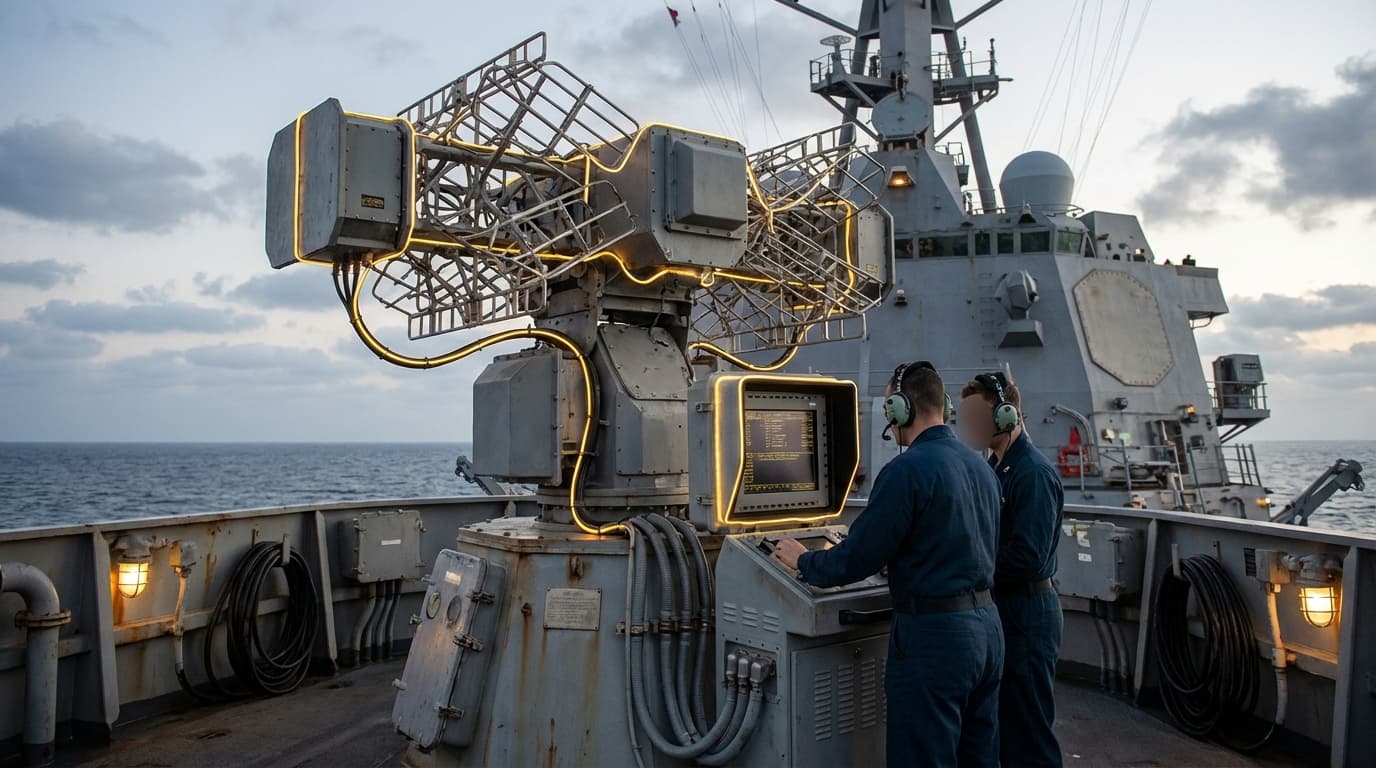
Quantum Radar Prototypes
Quantum radar represents a paradigm shift in detection technology, leveraging the principles of quantum mechanics to overcome the limitations of conventional radar systems. At its core, this technology employs quantum entanglement—a phenomenon where pairs of photons remain correlated regardless of the distance separating them. In quantum illumination radar, one photon from an entangled pair is transmitted toward a target while its twin is retained at the receiver. When the transmitted photon reflects off an object and returns, the system compares it against the retained photon to identify correlations that classical noise cannot replicate. This quantum correlation provides a significant advantage in detecting objects designed to minimize radar cross-section (RCS), such as stealth aircraft and vessels that employ radar-absorbent materials and geometric designs to evade traditional detection methods. The fundamental mechanism relies on the fact that quantum correlations persist even when signals are extremely weak, allowing the system to distinguish genuine target returns from background interference and jamming attempts that would overwhelm conventional radar.
The defense and security sectors face mounting challenges as adversaries deploy increasingly sophisticated stealth technologies that render traditional radar systems less effective. Conventional radar operates by transmitting electromagnetic waves and analyzing the reflected signals, but stealth platforms are specifically engineered to scatter, absorb, or deflect these waves, making detection difficult or impossible at operationally relevant ranges. Quantum radar prototypes address this critical vulnerability by exploiting quantum mechanical properties that cannot be replicated or spoofed by current countermeasure technologies. This capability is particularly valuable in contested environments where electronic warfare and jamming are prevalent, as the quantum correlations used for detection are inherently resistant to such interference. Beyond anti-stealth applications, this technology promises enhanced performance in cluttered environments—such as detecting targets near terrain or in adverse weather—where conventional systems struggle to separate signal from noise. The potential to detect low-observable threats fundamentally alters the strategic calculus of air defense, maritime security, and border surveillance operations.
Research institutions and defense laboratories in several nations are actively developing quantum radar prototypes, though the technology remains in experimental phases with significant engineering challenges to overcome before operational deployment. Early demonstrations have validated the theoretical advantages in controlled laboratory settings, and efforts are now focused on extending detection ranges, improving photon generation and detection efficiency, and developing systems robust enough for field conditions. Current prototypes operate at relatively short ranges and require cryogenic cooling and sophisticated optical components, presenting substantial hurdles for practical military applications. However, research suggests that advances in quantum technologies—including improved single-photon detectors and more efficient entanglement sources—could enable viable systems within the coming decade. The trajectory of quantum radar development aligns with broader trends in quantum sensing and the growing integration of quantum technologies into defense architectures, positioning it as a potentially transformative capability in the ongoing technological competition between stealth and detection systems.
Related Organizations

The Fink Group at ISTA researches electro-optic interconnects for superconducting quantum circuits.

A state-owned defense conglomerate specializing in dual-use electronics.
The corporate research laboratory for the United States Navy and Marine Corps.

A high-tech research and development center owned by RTX (Raytheon Technologies).

Fraunhofer Institute of Optronics, System Technologies and Image Exploitation.

A scientific research institute at the University of Waterloo.

Researchers at the York Centre for Quantum Technologies have developed prototypes for microwave quantum radar.

Major defense contractor developing Reciprocal Quantum Logic (RQL) for cryogenic computing.
Supporting Evidence
Research this in Signals
Signals turns a topic into a sourced research record you can inspect and rerun. Your first scan is free, and this one starts with Quantum Radar Prototypes already loaded, so edit it or scan as is.