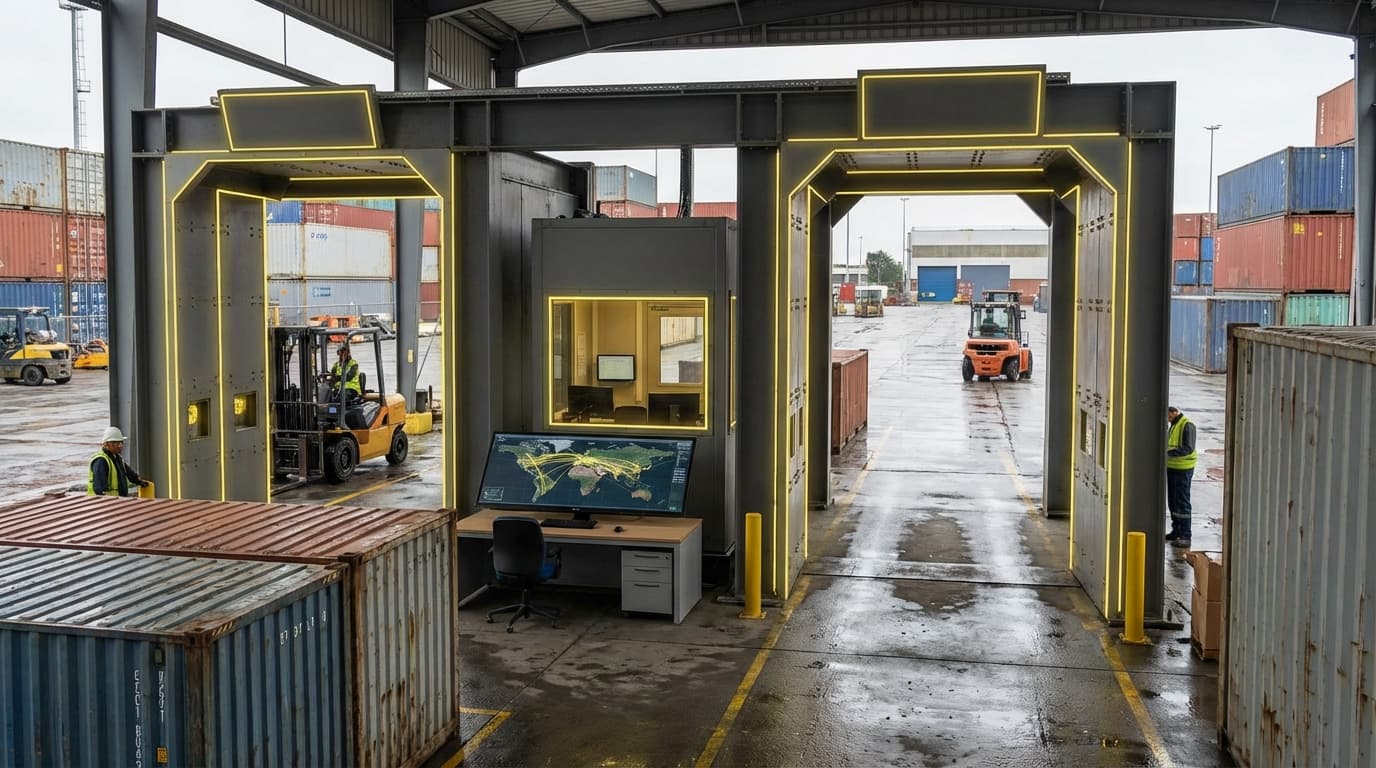
Supply Chain Security & Sanctions Resilience
Modern defense and security operations depend on intricate global supply chains that can span dozens of countries and hundreds of suppliers, creating vulnerabilities that adversaries can exploit through sanctions, cyberattacks, or deliberate disruption. Traditional supply chain management tools often lack the real-time visibility and predictive capabilities needed to identify emerging risks before they cascade into critical shortages. This challenge is particularly acute for defense systems, where a single counterfeit component or disrupted supplier can compromise mission-critical capabilities. Supply chain security and sanctions resilience technologies address these vulnerabilities through integrated monitoring systems that combine artificial intelligence, sensor networks, and advanced analytics to create comprehensive visibility across multi-tier supply networks. These platforms continuously track the provenance and movement of materials, components, and finished goods, using machine learning algorithms to detect anomalies that might indicate counterfeiting, diversion, or quality degradation. By mapping dependencies across the entire supply ecosystem, these systems can identify single points of failure—such as sole-source suppliers or geographically concentrated production facilities—that pose unacceptable risks to defense readiness.
The defense industrial base faces unique challenges that distinguish it from commercial supply chain management. Long procurement cycles, specialized components with limited suppliers, and the need for absolute reliability create conditions where traditional just-in-time inventory strategies can prove catastrophic during geopolitical disruptions. Recent global events have demonstrated how quickly supply chains can fracture when key suppliers become inaccessible due to sanctions regimes or political instability. These monitoring and rerouting systems enable defense organizations to model alternative sourcing scenarios, pre-qualify backup suppliers, and maintain strategic stockpiles of critical materials based on predictive risk assessments. The technology also addresses the persistent threat of counterfeit components entering defense supply chains, using authentication protocols, blockchain-based provenance tracking, and physical inspection data to verify the integrity of materials at each handoff point. This capability is essential for maintaining the reliability of systems where component failure could have life-or-death consequences.
Early implementations of these systems are appearing across defense ministries and critical infrastructure operators in various nations, often integrated with broader supply chain visibility platforms. The technology supports scenario planning for sanctions compliance, helping organizations navigate complex export control regimes while maintaining operational capabilities. As geopolitical tensions continue to reshape global trade patterns, these systems are evolving to incorporate predictive analytics that can forecast potential disruptions months in advance, enabling proactive diversification strategies. The broader trend toward supply chain sovereignty—where nations seek greater control over critical material flows—is driving increased adoption of these monitoring and resilience capabilities. Looking forward, the integration of digital twins and simulation capabilities promises to enable defense organizations to test supply chain reconfigurations virtually before committing resources, while advances in materials science may reduce dependencies on geographically concentrated rare earth elements and other strategic materials that currently represent significant vulnerabilities.
Related Organizations
The combat support agency in the US Department of Defense responsible for the global supply chain.

A global regulatory, financial crime, risk and compliance company.
An operational resilience company that maps supply chains to the Nth tier.

Uses AI to build a shared source of truth for the global supply chain, mapping networks and compliance.

A data and analytics company focused on sanctions and trade compliance.


Supply chain risk analytics company applying AI to monitor global risks.
An independent subsidiary of SAP focused on the US national security community.

Provides an advanced visibility platform for shippers and logistics service providers, connecting data across the supply chain.
Supporting Evidence
Research this in Signals
Signals turns a topic into a sourced research record you can inspect and rerun. Your first scan is free, and this one starts with Supply Chain Security & Sanctions Resilience already loaded, so edit it or scan as is.