









Biometric Authentication Methods
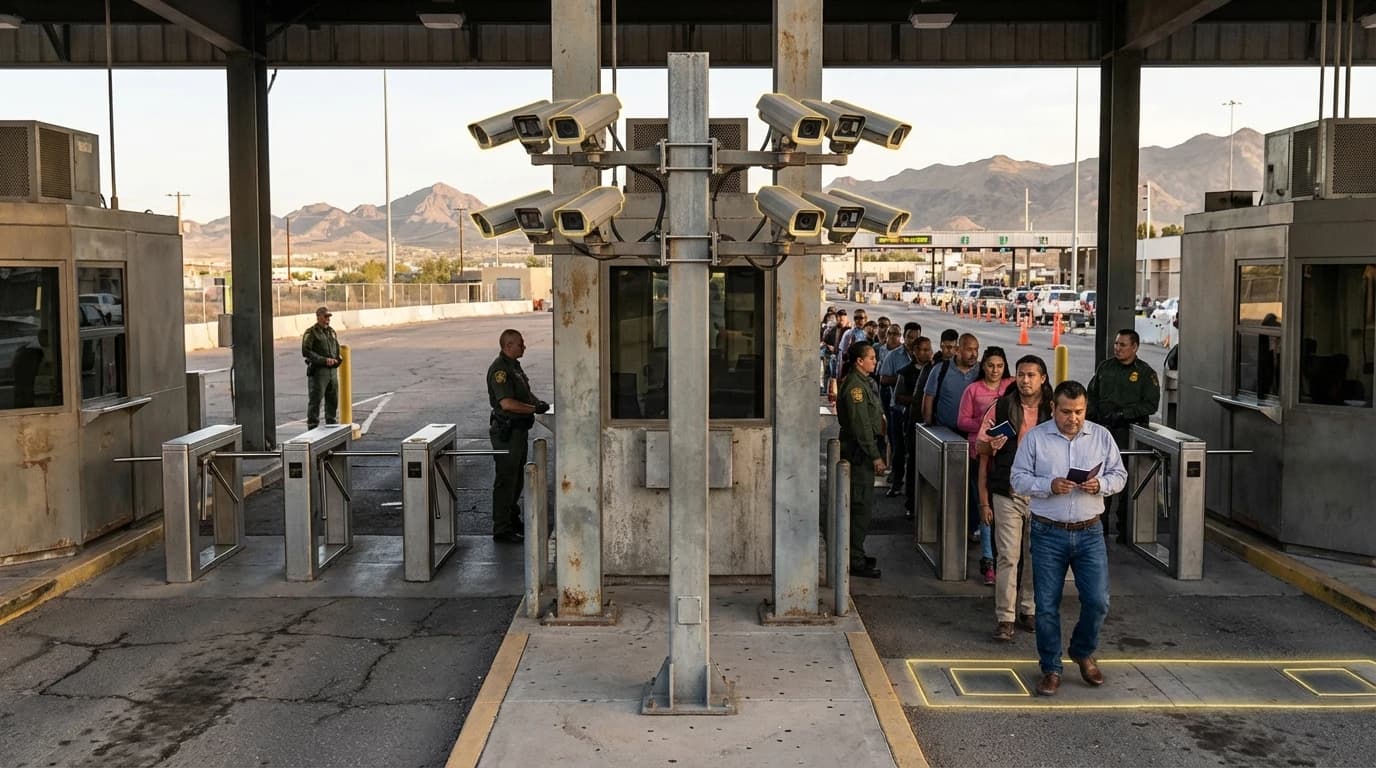
Biometric Identification Systems
Identity verification through iris scans, facial geometry, fingerprints, and gait analysis
Biometric identification systems represent a sophisticated convergence of sensor technologies, pattern recognition algorithms, and distributed databases designed to verify individual identity through unique physiological and behavioral characteristics. Unlike traditional authentication methods that rely on knowledge (passwords) or possession (access cards), these systems analyze inherent human traits such as iris patterns, facial geometry, fingerprint ridges, and even distinctive walking patterns. Modern military and security implementations typically employ multi-modal approaches, combining several biometric markers simultaneously to achieve higher accuracy and resilience against spoofing attempts. The technical architecture involves specialized sensors—high-resolution cameras for facial and iris capture, pressure-sensitive pads for gait analysis, and optical scanners for fingerprints—paired with sophisticated matching algorithms that can process biometric templates against massive watchlist databases in near real-time, even under challenging field conditions with varying lighting, partial occlusions, or non-cooperative subjects.
The defense and security sectors face persistent challenges in distinguishing friendly forces from potential threats across vast operational theaters, managing access to sensitive facilities and coalition networks, and maintaining accountability in fluid, high-stakes environments. Traditional identification methods prove inadequate when personnel must be authenticated quickly at remote checkpoints, when documents can be forged or stolen, or when coalition operations require trusted information sharing among allied forces. Biometric identification systems address these vulnerabilities by creating an unforgeable link between an individual and their credentials, enabling rapid verification of personnel at base perimeters, screening of local populations in conflict zones, and enforcement of access controls across distributed military networks. This capability becomes particularly critical in counterterrorism operations, where identifying known threats within civilian populations can prevent attacks, and in expeditionary environments where traditional infrastructure for credential verification may be unavailable.
Current deployments span multiple operational contexts, from fixed installations using iris scanners for facility access to mobile units employing handheld devices for field enrollment and verification. Coalition military operations increasingly rely on shared biometric databases that allow allied forces to cross-reference individuals against combined watchlists, enhancing collective security while maintaining operational sovereignty. Research directions focus on improving performance in degraded conditions—recognizing faces partially obscured by protective equipment, capturing iris patterns at greater distances, or identifying individuals from drone footage. The integration of artificial intelligence promises to enhance matching accuracy while reducing false positives, a critical consideration when biometric systems inform high-consequence decisions. As adversaries develop more sophisticated countermeasures and operational environments become more complex, the trajectory points toward increasingly resilient, multi-spectral systems capable of fusing biometric data with behavioral analytics and contextual intelligence to support trusted operations across the full spectrum of defense and security missions.
TRL
8/9Deployed
Impact
4/5
Investment
4/5
Category
software
Related Organizations
Identity and security company developing offline CBDC payment cards and secure elements.
Developer
Develops Vector Annealing, a quantum-inspired simulated annealing service running on high-performance vector supercomputers.
Developer
Multinational company designing and building electrical systems and providing services for the aerospace, defence, transportation and security markets.
Developer
Facial recognition company with a massive database of scraped images, used by law enforcement and private security.
Developer
Formerly the LG Electronics Iris Technology Division, they are a primary developer of iris recognition hardware and software.
Developer
Vision AI for real-time facial recognition and behavioral analysis.
Developer
One of China's 'AI Dragons', specializing in large-scale facial recognition and smart city platforms.
Developer
Provides biometric software products and solutions, including Knomi for mobile biometric authentication.
Developer
Developer of high-precision biometric algorithms, including the VeriEye iris recognition SDK.
Developer

Leidos
United States · Company
Integrates digital engineering and digital twin frameworks for major defense programs.
Deployer
What was expected
Published forecasts about this technology, graded against what happened in Hindsight.
Supporting Evidence
Evidence data is not available for this technology yet.
Research this in Signals
Scan Biometric Identification Systems for yourself.
Signals turns a topic into a sourced research record you can inspect and rerun. Your first scan is free, and this one starts with Biometric Identification Systems already loaded, so edit it or scan as is.