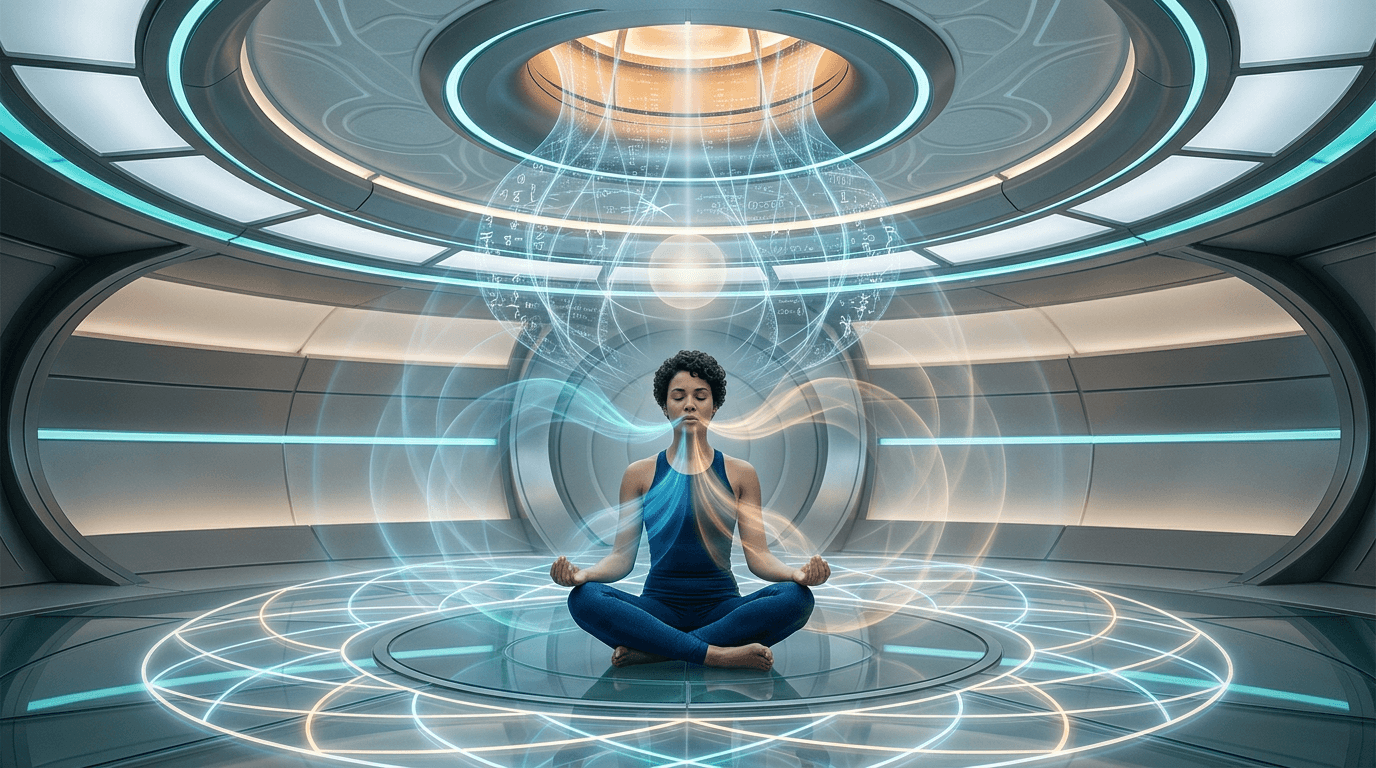
Breathwork Consciousness Manipulation
Breathwork encompasses diverse breathing techniques spanning millennia of human practice, capable of inducing dramatic shifts in consciousness, emotional states, physiology, and perception through deliberate respiratory pattern manipulation. Unlike external consciousness technologies, breathwork represents an internal, body-based system accessible to any practitioner, with extensive documentation across mystical traditions, shamanic practices, yogic systems, and modern therapeutic applications. The technology operates through multiple mechanisms—neurochemical alteration (CO₂/O₂ balance, endogenous DMT, neurotransmitter cascades), autonomic nervous system modulation, brainwave entrainment, and possible subtle energy dynamics—producing effects ranging from therapeutic healing and emotional release to mystical experiences, non-ordinary states of consciousness, and reported anomalous phenomena.
Historical & Cross-Cultural Foundations
Breathwork appears as core technology across virtually all mystical and shamanic traditions
Pranayama (yogic breath control, 5000+ years, Vedic texts)—techniques including Kapalabhati (skull-shining breath), Bhastrika (bellows breath), Nadi Shodhana (alternate nostril breathing), and Kumbhaka (breath retention) for consciousness transformation, prana manipulation, and spiritual awakening; Tummo (Tibetan Buddhist inner heat practice)—extreme breath control enabling body temperature regulation, reported ability to dry wet sheets on body in freezing conditions, consciousness stability in extreme environments; Holotropic Breathwork (Stanislav Grof, 1970s)—rapid, deep breathing inducing non-ordinary states, emotional catharsis, transpersonal experiences, integration of psychedelic therapy insights without substances; Shamanic breathwork—global indigenous practices using hyperventilation, rhythmic breathing, breath-holding to enter trance states, spirit journeys, healing ceremonies; Taoist breathing (Qigong, Neigong)—circular breathing, reverse breathing, embryonic breathing for qi cultivation, longevity, internal alchemy; and Sufi practices (Zikr)—rhythmic breathing synchronized with sacred phrases inducing ecstatic states, divine connection. The universality and antiquity suggest breathwork as fundamental human consciousness technology, independently discovered and refined across cultures.
Physiological Mechanisms & Neurochemistry
Modern research identifies multiple biological pathways
hypocapnia from hyperventilation (reduced blood CO₂ causing cerebral vasoconstriction, altered blood pH, shifts in consciousness); altered O₂/CO₂ ratios (affecting hemoglobin oxygen binding, tissue oxygenation, cellular metabolism); autonomic nervous system modulation (breath rate/pattern directly influencing sympathetic/parasympathetic balance via vagal nerve stimulation); neurotransmitter cascades (breath-induced changes in serotonin, dopamine, norepinephrine, endorphins); DMT release hypothesis (extreme breathing possibly triggering endogenous DMT production in pineal gland or lungs—contested but supported by some research); brainwave entrainment (rhythmic breathing influencing EEG patterns—theta, delta states during deep practices); and nitric oxide production (nasal breathing releasing NO, vasodilator with multiple physiological effects). The breath-brain axis represents direct, voluntary access to typically autonomic systems, enabling conscious manipulation of neurochemistry and consciousness states.
Contemporary Breathwork Modalities & Applications
Modern therapeutic and performance breathwork includes Holotropic Breathwork (Grof)—90+ minute sessions of accelerated breathing with music, inducing cathartic emotional release, trauma processing, transpersonal experiences; Wim Hof Method—cyclic hyperventilation followed by breath retention, combined with cold exposure, demonstrating conscious immune system modulation, anti-inflammatory effects (published studies); Transformational Breath—diaphragmatic circular breathing for emotional release, energy clearing, consciousness expansion; Rebirthing Breathwork (Leonard Orr)—circular connected breathing addressing birth trauma, repressed emotions, energetic blockages; Buteyko Method—reduced breathing for asthma, anxiety, optimizing blood gas exchange; Box Breathing (tactical breathing)—military/first-responder stress management, maintaining performance under extreme conditions; and Coherent Breathing—resonant frequency breathing (5-6 breaths/minute) maximizing heart rate variability, vagal tone, calm alertness. Clinical applications span anxiety disorders, PTSD, chronic pain, addiction, depression, and psychosomatic conditions.
Reported Anomalous Phenomena & Mystical Experiences
Breathwork practitioners across traditions report experiences exceeding conventional physiological explanations: spontaneous kriyas (involuntary movements, postures, sounds—interpreted as energy release or purification); out-of-body experiences and perception beyond physical location; past-life recall and transpersonal memories (accessing experiences beyond personal history); entity encounters and communication with non-physical intelligences; healing of chronic conditions and spontaneous remissions; precognitive insights and non-linear time perception; kundalini awakening (energetic phenomena, spinal energy rising, consciousness transformation); and mystical union experiences (ego dissolution, cosmic consciousness, divine connection). While skeptics attribute these to oxygen/CO₂ imbalance-induced hallucinations and suggestion, phenomenological consistency across independent practitioners, therapeutic efficacy, and measurable physiological changes suggest genuine alterations in consciousness accessing normally unavailable perceptual modes or information channels.
Yogic Framework: Prana, Nadis, Chakras
Traditional yogic theory posits breathwork manipulates subtle energy anatomy
prana (life-force energy pervading cosmos and body, carried by breath but not identical to air); nadis (72,000 energy channels, primarily Ida, Pingala, Sushumna governing lunar/solar/central energies); chakras (energy vortices along spine, each with psychological, physiological, spiritual correlations); and bandhas (energy locks—Mula, Uddiyana, Jalandhara—containing and directing prana). Pranayama techniques activate, balance, and channel prana through nadis, awakening chakras, purifying energetic body, and raising kundalini shakti (coiled spiritual energy at base of spine) to crown, producing enlightenment. Western science lacks frameworks for subtle energy, treating descriptions as metaphorical or pre-scientific. However, emerging bioenergetics research, bioelectromagnetic field studies, and quantum biology hint at possible physical correlates (biofield, biophoton emission, quantum coherence in microtubules). Whether literal energy or effective metaphor, the yogic model provides systematic technology for consciousness transformation with millennia of refinement.
Extreme Practices & Physiological Feats
Advanced breathwork enables remarkable capacities
Wim Hof demonstrations—running barefoot marathons in Arctic conditions, swimming under ice, sitting in ice for hours, voluntarily influencing immune response and inflammatory markers (peer-reviewed studies); Tibetan Tummo practitioners—raising body temperature, melting snow on body, surviving nights in wet sheets at -25°C; breath suspension records—competitive breath-holding exceeding 24 minutes (Budimir Šobat, 2021), with preparation techniques involving hyperventilation, meditation, oxygen saturation optimization; high-altitude adaptation—yogic breathing enabling function at extreme elevations without supplemental oxygen; and pain tolerance—breathwork used in surgery without anesthesia, childbirth, endurance events. These demonstrations suggest breathwork accesses physiological control mechanisms typically considered autonomic or impossible, bridging voluntary and involuntary systems through conscious respiration.
Neurological Correlates & Brain Imaging Studies
Modern neuroscience investigates breathwork effects
fMRI studies show altered activity in amygdala, prefrontal cortex, insula, default mode network during breathwork; EEG research documents increased theta and delta waves (associated with meditation, trance, deep relaxation); heart rate variability (HRV) increases with resonant breathing, indicating enhanced autonomic flexibility and stress resilience; brain-derived neurotrophic factor (BDNF) elevation with Wim Hof Method, suggesting neuroplasticity enhancement; inflammatory marker reduction (IL-6, CRP) demonstrating immune system modulation; and altered connectivity patterns suggesting network reorganization. While correlates are identified, causative mechanisms and whether breathwork reveals latent human capacities or induces novel states remain debated.
Therapeutic Efficacy & Clinical Research
Growing evidence supports breathwork for mental health and wellness
anxiety disorders—controlled breathing reducing sympathetic arousal, breaking panic cycles, with effect sizes comparable to medication; PTSD—Holotropic and trauma-informed breathwork facilitating emotional processing, trauma release without re-traumatization; depression—breathwork combined with therapy showing antidepressant effects, possibly via neurotransmitter modulation; chronic pain—breath practices reducing pain perception, possibly via endorphin release, attention redirection, nervous system regulation; addiction recovery—breathwork addressing underlying trauma, providing non-substance altered states, supporting sobriety; and psychosomatic disorders—bridging mind-body gap, releasing stored tension, emotional patterns manifesting physically. Integration with psychotherapy, meditation, and somatic practices enhances outcomes. Limitations include practitioner variability, protocol standardization challenges, and individual response differences.
Safety Considerations & Contraindications
Despite accessibility, breathwork carries risks
tetany and muscle spasms from hypocapnia-induced calcium binding; cardiovascular strain (hyperventilation increasing heart rate, blood pressure); seizure risk in susceptible individuals (rapid breathing lowering seizure threshold); psychological destabilization (intense emotional release, trauma surfacing without adequate support, psychotic episodes in vulnerable populations); spiritual emergency (overwhelming mystical experiences, ego dissolution without integration support); and oxygen deprivation hazards (competitive breath-holding causing hypoxic blackout, drowning risk). Contraindications include pregnancy, cardiovascular disease, severe mental illness, recent surgery, epilepsy, and glaucoma. Responsible practice requires trained facilitators, proper setting, gradual progression, and integration support.
Quantum & Biofield Hypotheses
Speculative frameworks propose breathwork manipulates subtle energetics
biophoton emission (living cells emit coherent light; breath possibly modulating quantum states, information transfer via photons); quantum coherence in microtubules (Penrose-Hameroff model; breath affecting neural quantum processing); bioelectromagnetic field modulation (breath altering body's EM field, enabling non-local information exchange); morphic resonance (Sheldrake; breathwork accessing collective consciousness patterns); and zero-point field interaction (breath as interface with quantum vacuum, consciousness coupling to fundamental field substrate). These remain highly speculative, lacking experimental validation, but suggest breathwork might operate through mechanisms beyond conventional biochemistry—accessing quantum or subtle energy domains underlying consciousness.
Comparison to Psychedelics & Consciousness Technologies
Breathwork shares phenomenology with psychedelic experiences while remaining legal, accessible, and practitioner-controlled: both produce ego dissolution, mystical experiences, emotional catharsis, transpersonal states; breathwork allows moment-to-moment control (stopping ends experience), while psychedelics follow their own course; breathwork requires no substances, avoiding legal, purity, dosing concerns; both show therapeutic efficacy for similar conditions (trauma, depression, addiction, existential distress); and both may access similar neural pathways (default mode network disruption, serotonin system involvement). Grof developed Holotropic Breathwork specifically as legal alternative to LSD therapy after criminalization. Some practitioners report breathwork experiences as profound as psychedelics, suggesting breathwork as endogenous psychedelic technology.
Integration with Other Consciousness Technologies
Breathwork synergizes with complementary practices
meditation (breath as anchor, object of awareness, preliminary to deeper meditation); biofeedback (HRV training, breath-guided nervous system regulation); sound healing (rhythmic breathing synchronized with drumming, toning, music amplifying trance induction); movement practices (yoga, qigong, ecstatic dance integrating breath-movement-consciousness); psychedelic integration (breathwork processing, extending insights without substances); and neurofeedback (training specific brainwave states accessible via breath). Multi-modal approaches leverage breathwork as foundational practice enhancing other technologies.
Critical Assessment & Limitations
Breathwork faces scientific scrutiny
placebo and expectation effects (suggestion, ritual, facilitator influence contributing to outcomes); self-selection bias (practitioners attracted to alternative practices, openness to non-ordinary states); variability in techniques and practitioners (lack of standardization, training quality differences, difficult to compare studies); physiological reductionism vs. genuine mysticism debate (whether experiences merely hypoxia-induced hallucinations or authentic expanded consciousness); and cultural appropriation concerns (Western adoption of indigenous/Eastern practices divorced from context, commodification of sacred traditions). Proponents note: millennia of independent validation across cultures; measurable physiological changes; therapeutic outcomes exceeding placebo; phenomenological sophistication and consistency; and experiential verification available to any practitioner. Breathwork occupies productive tension between ancient wisdom and modern science, subjective experience and objective measurement.
Breathwork Consciousness Manipulation represents perhaps the most ancient, accessible, and widely-documented consciousness technology—requiring no external apparatus, chemicals, or equipment beyond the human body itself. Its universality across cultures, extensive literature, measurable effects, therapeutic applications, and capacity to produce profound consciousness alterations position it as fundamental xenotechnology: a method of systematically manipulating human consciousness through deliberate respiratory control, accessing non-ordinary states, mystical experiences, healing, and possibly subtle energy or quantum domains underlying awareness. Whether understood through biochemistry, subtle energy, quantum mechanics, or irreducible phenomenology, breathwork demonstrates human capacity for radical self-transformation through ancient, yet ever-relevant, embodied practice.
Research this in Signals
Signals turns a topic into a sourced research record you can inspect and rerun. Your first scan is free, and this one starts with Breathwork Consciousness Manipulation already loaded, so edit it or scan as is.