Molecular Farming (Biopharming)
Molecular farming (biopharming) uses plants or plant cell cultures as bioreactors to produce vaccines, antibodies, and enzymes. Fast-growing species like Nicotiana benthamiana are transiently expressed with agroinfiltration or viral vectors, yielding high-value proteins within weeks rather than months required for stainless-steel bioreactors. Downstream processing recovers GMP-grade products at lower capital intensity, leveraging existing agricultural acreage.
Pharma companies, governments, and startups deploy biopharming for pandemic preparedness, orphan drugs, and enzymes for industrial processes where flexibility and rapid scale-up matter. Firms such as Kentucky BioProcessing and Medicago have demonstrated field-to-vial timelines measured in weeks, while plant-made dairy proteins and cosmetic actives expand non-pharma use cases.
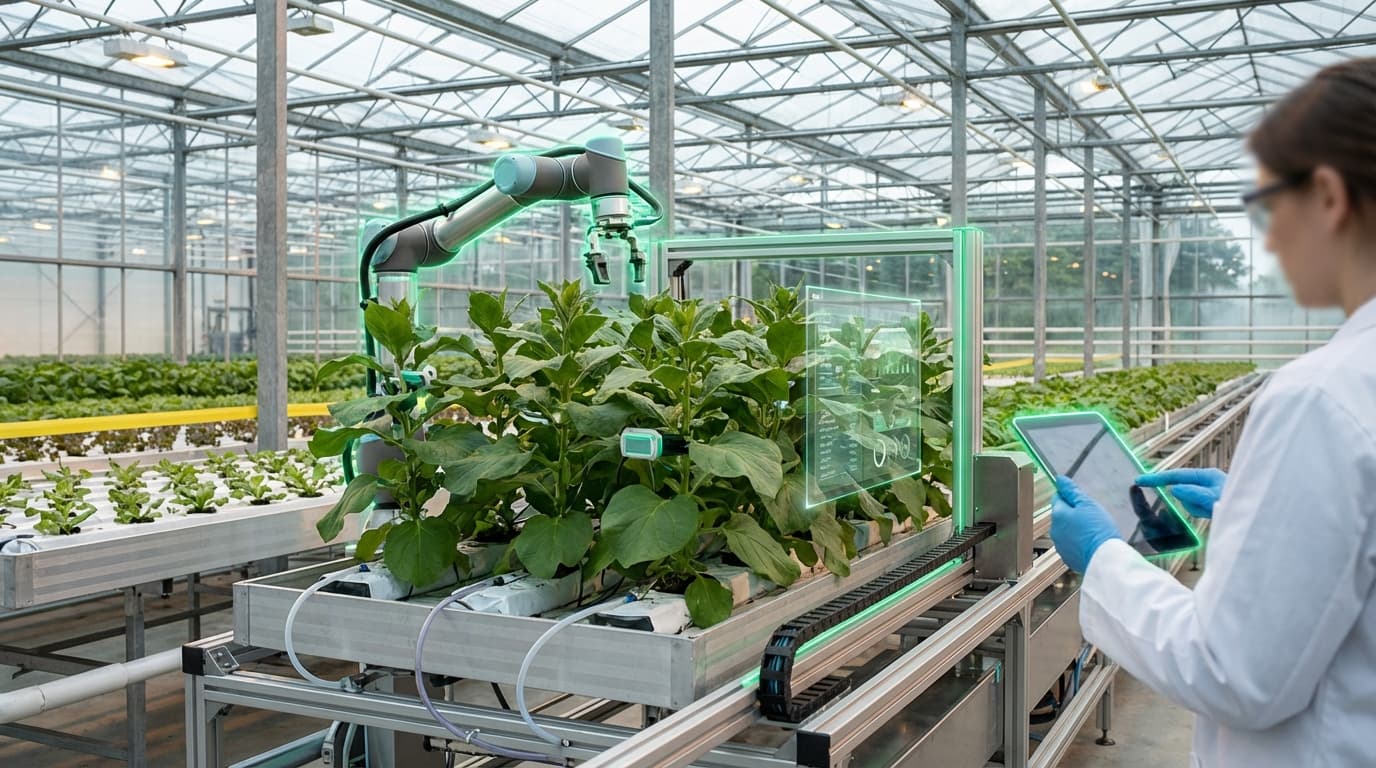
Future systems will integrate controlled-environment greenhouses, automated infiltration robots, and digital batch records connected to regulatory portals. Key hurdles involve consistent glycosylation profiles, containment protocols to prevent gene flow, and regulatory harmonization between agriculture and pharma authorities. Contract manufacturing networks and insurance structures for crop-as-factory models will drive broader adoption.
Related Organizations

Produces animal proteins (like pork protein) inside plant crops such as soy and pea ('Piggy Sooy').

Produces casein (milk protein) in soybeans to create stretchy plant-based cheese.

Develops plant-cell-expressed recombinant therapeutic proteins, including an FDA-approved drug for Gaucher disease.

Uses tobacco plants to produce complex growth factors (GFs) required for the cultivated meat industry.
United Kingdom · Startup
Expresses high-value recombinant proteins in the chloroplasts of plants for higher yields.

Produces growth factors and cytokines in oilseed plants for the cell therapy and cultivated meat markets.

Produces heme protein in corn for the alternative meat industry.

Engineers oilseed crops to produce dairy proteins and fats within the plant seeds.

Uses genetically modified barley grain to produce growth factors for cosmetics and biotechnology.

Uses vertical farming to produce biomolecules and proteins in plants at a fraction of the cost of bioreactors.
Supporting Evidence
Research this in Signals
Signals turns a topic into a sourced research record you can inspect and rerun. Your first scan is free, and this one starts with Molecular Farming (Biopharming) already loaded, so edit it or scan as is.