Transparent OLED & MicroLED Screens
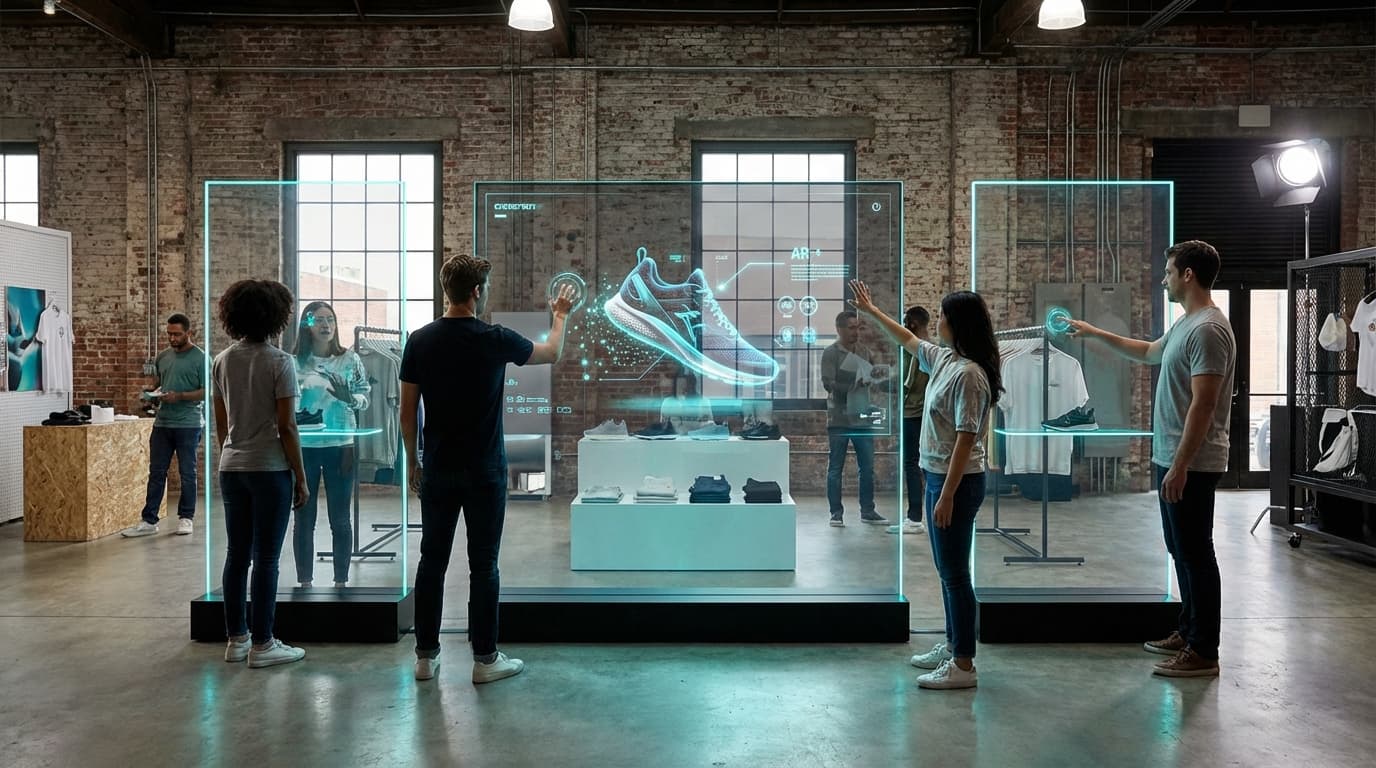
Transparent OLED and microLED tiles embed emissive diodes into glass or polymer substrates while leaving most of the surface see-through, enabling designers to overlay motion graphics onto windows, shop fronts, or broadcast desks without obscuring the real world. MicroLED variants use microscopic gallium nitride emitters bonded to transparent substrates, achieving higher brightness for sunlit atria, while OLED versions excel in color purity for indoor sets. Panels daisy-chain into large canvases controlled by media servers via HDR-capable protocols.
Retail flagships layer product stories atop display cases, museums project contextual information next to artifacts, and sports broadcasters float statistics in mid-air during studio analysis segments. Automotive OEMs experiment with transparent HUDs that turn windshields into narrative surfaces, and concert scenographers use hanging transparent panels to mix performers with volumetric content. Because real-world sightlines remain intact, directors can frame hybrid shots where talent interacts with floating UI without chroma keying.
Challenges include achieving deep blacks (ambient light leaks through), hiding driver electronics, and meeting safety codes for architectural glass. Display makers like LG, Samsung, and BOE now ship TRL 6 product lines with protective laminates, and SMPTE is working on calibration standards so transparent screens integrate into existing color workflows. As costs fall and content tools add transparency-aware compositing, expect see-through microLED surfaces to become a common storytelling layer in retail, mobility, and broadcast environments.
Related Organizations
South Korea · Company
A global leader in display technologies that mass-produces large-format Transparent OLED panels used in retail, subway windows, and signage.

Taiwan · Company
A leading display manufacturer developing transparent MicroLEDs for automotive cockpits and wearable applications.
China · Company
One of the world's largest display makers, actively showcasing transparent OLED prototypes and active-matrix transparent displays.
China · Company
Inventor and manufacturer focused exclusively on transparent LED displays, including 'media glass' for architecture.
China · Startup
Specializes in MicroLED micro-displays, enabling transparent AR glasses and compact transparent projection modules.
China · Company
A global leader in LED visualization products, offering transparent LED screens (mesh and glass) for architectural integration.
Lumineq
Finland · Company
Specializes in rugged transparent electroluminescent displays for optical devices, heavy machinery, and automotive glass.
China · Company
Produces holographic invisible LED screens that are transparent without a frame, often used for stage effects and retail.
United Kingdom · Company
British manufacturer of specialist display solutions, including transparent OLED and LCD screens for retail and broadcast.
Supporting Evidence
Research this in Signals
Signals turns a topic into a sourced research record you can inspect and rerun. Your first scan is free, and this one starts with Transparent OLED & MicroLED Screens already loaded, so edit it or scan as is.