Cognitive Twin
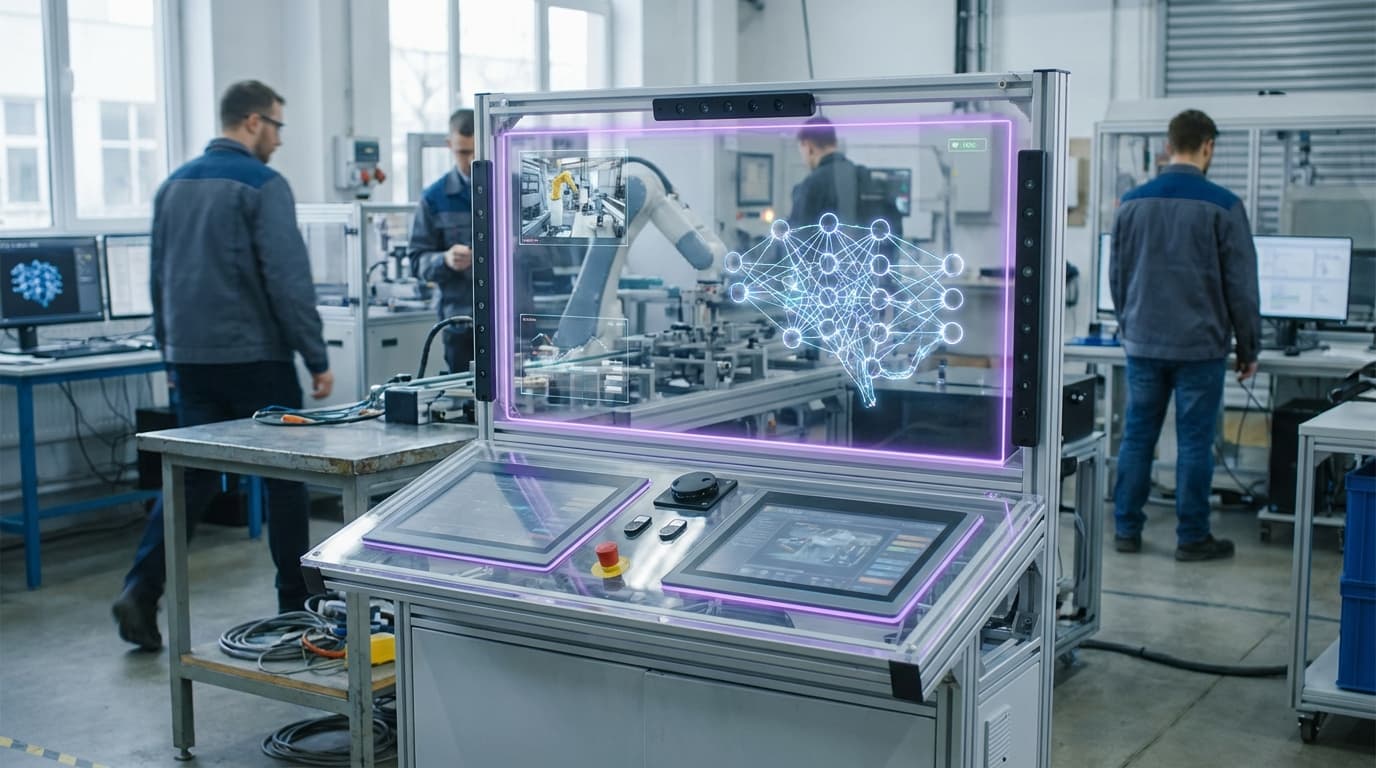
Cognitive twins extend digital twin technology—virtual replicas of physical systems—by adding artificial intelligence and cognitive computing capabilities that enable the digital model to learn, reason, predict, and autonomously optimize. While traditional digital twins provide real-time monitoring and visualization, cognitive twins use AI to understand patterns, predict future states, simulate scenarios, and recommend or automatically implement optimizations. These systems continuously learn from data, improving their models and predictions over time, and can reason about complex interactions between different urban systems.
The technology enables proactive urban management where the digital model not only represents the current state but anticipates future conditions and recommends actions. Cognitive twins can simulate the effects of policy changes, predict infrastructure failures before they occur, optimize resource allocation across systems, and coordinate responses to events. Applications include smart city management platforms, infrastructure optimization systems, disaster preparedness and response, and urban planning tools that test scenarios before implementation. Cities and technology companies are developing cognitive twin systems for various urban applications.
At TRL 5, cognitive twins are being developed and piloted for specific urban systems, though full city-scale cognitive twins remain aspirational. The technology faces challenges including the complexity of modeling entire cities, ensuring accuracy of predictions, integrating data from diverse sources, and building trust in AI-driven recommendations. However, as AI capabilities improve and urban data becomes more comprehensive, cognitive twins become increasingly powerful. The technology could transform urban management by enabling predictive rather than reactive approaches, optimizing city operations across all systems simultaneously, and providing decision support that helps cities become more efficient, resilient, and responsive to residents' needs, potentially creating cities that can anticipate and adapt to challenges proactively.
Related Organizations

Provides simulation digital twin software for enterprise decision making.

Software corporation specializing in 3D design and digital mock-ups.

Developing foundation models for robotics (Project GR00T) and vision-language models like VILA.

Cityzenith
United States · Startup
Develops the SmartWorldOS digital twin platform for cities and large building portfolios.

Provides physics-based digital twins for critical infrastructure.


Digital Twin Consortium
United States · Consortium
Global ecosystem of users and technology providers driving the adoption of digital twins.


Spatial data company that integrated mobile LiDAR support into their capture app, democratizing real estate digital twins.
Supporting Evidence
Research this in Signals
Signals turns a topic into a sourced research record you can inspect and rerun. Your first scan is free, and this one starts with Cognitive Twin already loaded, so edit it or scan as is.