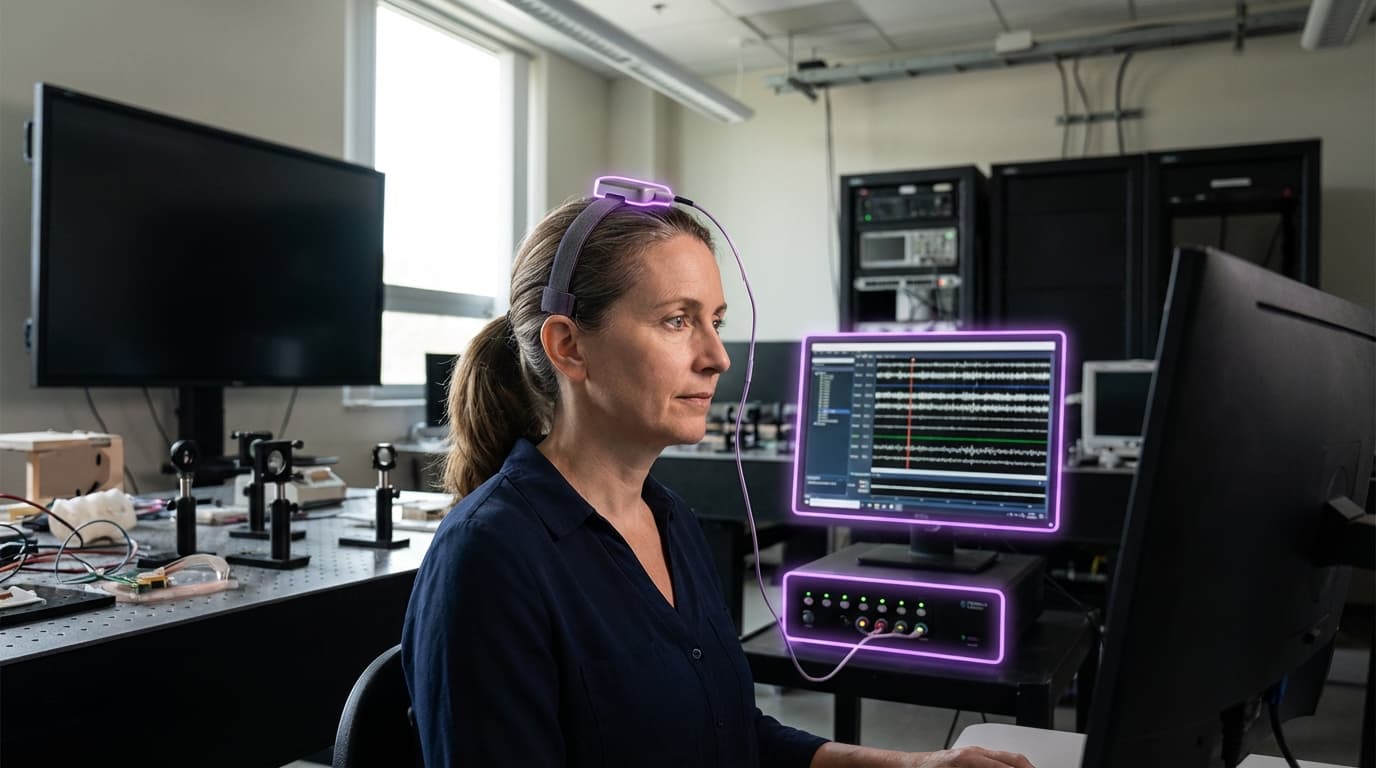
Brain Chip Implant
Brain chip implants, also known as neural implants or brain-computer interfaces (BCIs), are surgically implanted devices that interface directly with the brain using arrays of microelectrodes. These devices can record neural activity, stimulating neurons to create sensations or movements, and interpreting brain signals to control external devices. Advanced implants use thousands of electrodes to interface with individual neurons, enabling bidirectional communication between the brain and computers. The technology enables direct neural control of prosthetics, restoration of lost functions, and potentially enhancement of cognitive or sensory capabilities.
The technology addresses critical medical needs including paralysis, blindness, deafness, and neurological disorders where direct brain interfaces could restore function. Brain implants can enable paralyzed individuals to control computers or robotic limbs with their thoughts, restore vision or hearing through neural stimulation, treat conditions like Parkinson's disease with deep brain stimulation, and potentially enhance memory or cognitive function. Applications include medical devices for restoring function, research tools for understanding the brain, and potentially enhancement technologies. Companies like Neuralink, Synchron, and various medical device firms are developing brain implant technologies.
At TRL 6, brain chip implants are being tested in clinical trials and some are approved for specific medical applications, though capabilities remain limited. The technology faces enormous challenges including surgical risks, long-term biocompatibility and stability, preventing immune responses and scar tissue formation, ensuring precise and stable neural interfaces, and addressing ethical concerns about brain modification and privacy. However, as the technology improves and safety is demonstrated, brain implants could become more viable. The technology could transform treatment of neurological conditions, enable new forms of human-computer interaction, and potentially enhance human capabilities, though it also raises profound ethical questions about identity, privacy, and the nature of human enhancement, requiring careful consideration of risks, benefits, and societal implications.
Related Organizations

Neurotechnology company developing implantable brain-machine interfaces.

Developed the Stentrode, an endovascular brain interface implanted via the jugular vein without open brain surgery.

Manufacturer of the Utah Array, the gold-standard electrode system used in the majority of human BCI research.

Lead institution for the BrainGate consortium, pioneering the first human trials of invasive BCIs.

Developing the Layer 7 Cortical Interface, a thin-film electrode array designed to sit on the brain's surface without penetrating tissue.

Creating the Connexus Direct Data Interface, a high-data-rate BCI for severe motor impairment.

Developing graphene-based neural interfaces for high-resolution brain decoding and modulation.

Provides the Brain Interchange system, a fully implantable closed-loop BCI platform for research.
United States · Company
Develops thin-film electrode technology for recording and stimulation (Evo cortical electrodes).

Developing the Science Eye, a visual prosthesis combining gene therapy and a micro-LED display implant.
Supporting Evidence
Research this in Signals
Signals turns a topic into a sourced research record you can inspect and rerun. Your first scan is free, and this one starts with Brain Chip Implant already loaded, so edit it or scan as is.