Biomimicry
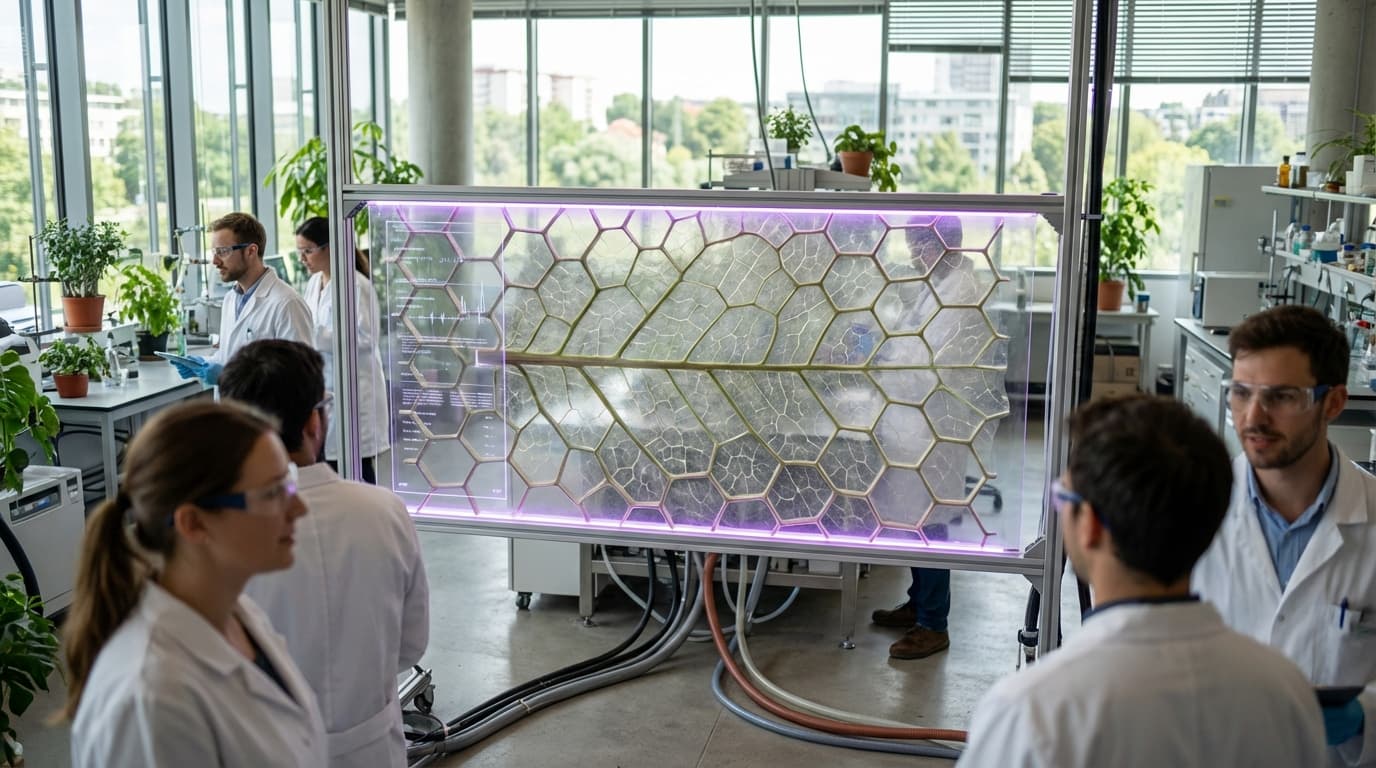
Biomimicry is an interdisciplinary design methodology that studies nature's models, systems, and processes to solve human challenges sustainably. Rather than simply copying natural forms, biomimicry seeks to understand the underlying principles that enable biological systems to be efficient, resilient, and regenerative. This approach recognizes that after 3.8 billion years of evolution, nature has developed elegant solutions to complex problems including energy efficiency, material optimization, and waste elimination.
The field encompasses three levels of inspiration: form (mimicking physical structures like the lotus leaf's self-cleaning surface), process (emulating biological processes like photosynthesis), and ecosystem (learning from how natural systems function as integrated wholes). Applications span diverse fields: Velcro was inspired by burr hooks, high-speed trains mimic kingfisher beaks to reduce noise, and building ventilation systems copy termite mound architecture. Companies and research institutions worldwide are applying biomimetic principles to develop more sustainable materials, energy systems, and manufacturing processes.
At TRL 6, biomimicry is increasingly integrated into product development and engineering design, with numerous commercial applications demonstrating improved performance and sustainability. The approach is particularly valuable for addressing environmental challenges, as biological systems inherently operate within resource constraints and produce no waste. However, translating biological principles into manufacturable technologies requires deep interdisciplinary collaboration and often faces challenges in scalability and cost. As sustainability becomes a competitive advantage, biomimicry offers a pathway to innovation that aligns human technology with natural systems, potentially enabling more regenerative and efficient solutions across industries.
Related Organizations
United States · Company
A bio-inspired consultancy co-founded by Janine Benyus that helps companies innovate by emulating biological forms, processes, and ecosystems.
United States · Nonprofit
A non-profit organization dedicated to promoting the study and imitation of nature's designs and processes to solve human problems.
United States · University
An interdisciplinary center dedicated to innovation inspired by nature, offering PhD programs in biomimicry.

Industrial automation company known for its Bionic Learning Network, creating pneumatic artificial muscles and soft-robotic animals.
United States · Company
Develops surface textures inspired by shark skin that inhibit bacterial growth without chemicals.
United States · Startup
Develops structural color coatings that mimic the reflective properties of beetle wings, eliminating the need for toxic pigments.
Israel · Startup
Produces bio-enhancing concrete infrastructure designed to mimic natural marine reefs and support marine life.
United States · Company
Creates surface coatings for water harvesting and repellency inspired by the Namib Desert Beetle.
United States · Startup
Develops battery membranes using biomimetic principles to selectively transport ions, improving lithium-metal battery performance.
A building materials company that produces Lotusan, a facade paint with self-cleaning properties modeled after the lotus leaf.
Supporting Evidence
Research this in Signals
Signals turns a topic into a sourced research record you can inspect and rerun. Your first scan is free, and this one starts with Biomimicry already loaded, so edit it or scan as is.