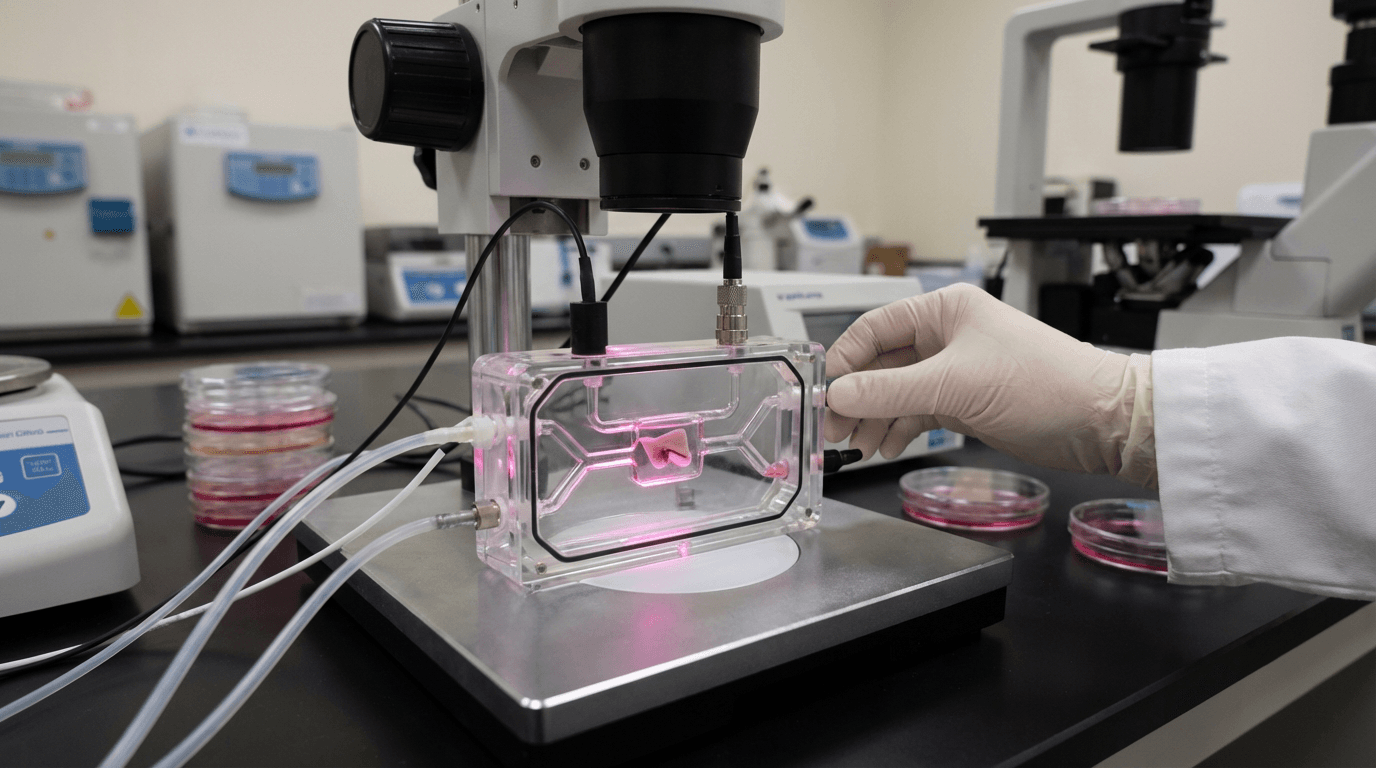
Female Reproductive Longevity Interventions
Female reproductive longevity interventions are therapeutic approaches designed to slow or reverse the decline in ovarian reserve (the number and quality of eggs in the ovaries), including techniques like oocyte stem cell activation (stimulating stem cells to produce new eggs), mitochondrial rejuvenation of oocytes (improving the energy-producing organelles in eggs), and ovarian tissue grafting (transplanting preserved ovarian tissue). Beyond fertility preservation, these therapies aim to mitigate menopause-associated health risks such as cardiovascular disease, osteoporosis, and cognitive decline by maintaining ovarian function and hormone production longer, potentially extending both reproductive lifespan and overall healthspan for women. Companies and research institutions are developing these approaches.
This innovation addresses the decline of ovarian function with age, which affects both fertility and overall health due to hormonal changes. By preserving or restoring ovarian function, these interventions could potentially extend both reproductive capacity and healthspan. The approach represents an important area of women's health and longevity medicine.
The technology is particularly significant for women's health, where ovarian function affects both fertility and overall health. As research progresses, these interventions could become important tools for healthy aging in women. However, ensuring safety, managing complexity, and demonstrating effectiveness remain challenges. The technology represents an important approach to women's health and longevity, but requires extensive development and validation. Success could provide new options for preserving fertility and health in women, but the path to clinical use requires careful development to ensure safety and effectiveness.
Related Organizations
United States · Consortium
A global network based at the Buck Institute dedicated to accelerating research on female reproductive aging.

A philanthropic foundation founded by Nicole Shanahan that heavily funds reproductive longevity research.

Focuses on extending healthspan by targeting ovarian aging, developing therapeutics to preserve ovarian function.

The world's first biomedical research institution exclusively dedicated to research on aging and age-related disease.

A preclinical-stage women’s health biotech focused on ovarian biology and genetics to develop therapies for ovarian health.

Working on in vitro gametogenesis (IVG) to turn stem cells into viable human eggs.
United States · Company
A biomedical company developing solutions for women's reproductive health, including infertility treatments.
Supporting Evidence
Research this in Signals
Signals turns a topic into a sourced research record you can inspect and rerun. Your first scan is free, and this one starts with Female Reproductive Longevity Interventions already loaded, so edit it or scan as is.