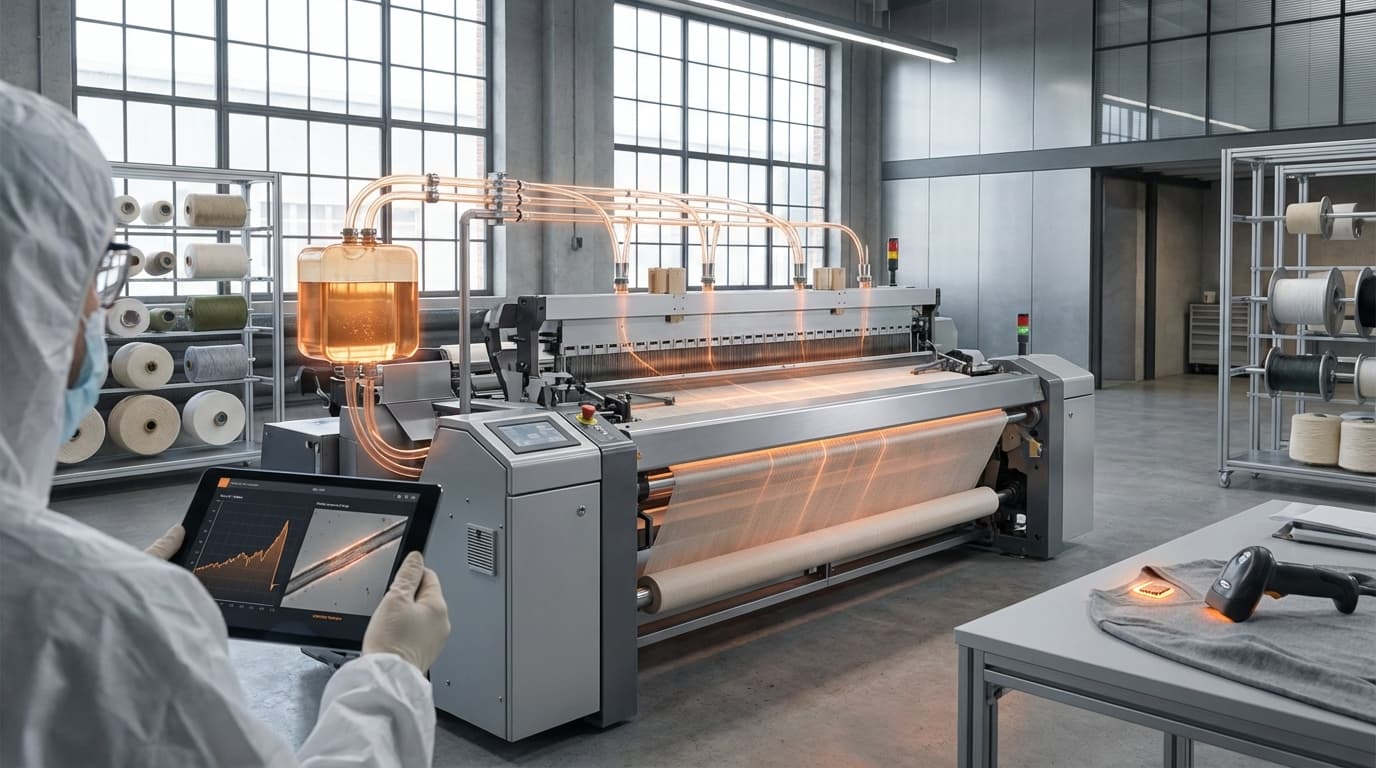
Synthetic DNA Tagging for Anti-Counterfeiting
Synthetic DNA tagging embeds unique, bio-encoded molecular markers directly into textile fibers during manufacturing, creating an invisible, tamper-proof authentication system. These DNA sequences are synthesized to be unique to each product, batch, or brand, and can be detected using specialized readers at any point in the supply chain, from raw materials through retail and even after consumer purchase.
This innovation addresses the massive problem of counterfeiting in fashion, which costs brands billions annually and undermines consumer trust. Unlike traditional authentication methods like holograms or QR codes that can be copied, synthetic DNA markers are virtually impossible to replicate without access to the specific DNA sequence. Companies like Applied DNA Sciences, Haelixa, and p-Chip are commercializing these technologies, with luxury brands including LVMH and Kering investing in DNA-based authentication systems.
The technology provides unprecedented security for high-value goods while enabling detailed supply chain traceability. As consumers become more concerned about authenticity and brands face pressure to prove product origins, synthetic DNA tagging offers a future-proof solution that combines anti-counterfeiting with comprehensive traceability, potentially transforming how luxury and premium brands protect their products and verify their supply chains.
Related Organizations

Develops the CertainT platform and SigNature DNA molecular tags that can be embedded in fibers like cotton and recycled polyester to verify authenticity.

Spin-off from ETH Zurich providing DNA-based tracing solutions.
The promotional organization for American Pima cotton growers, which mandates forensic verification of cotton origin.

Conducts advanced research in bioelectronics and the interface between biological systems and electronic circuits.

Himatsingka Seide
India · Company
An integrated textile major that manufactures home textiles and tracks raw materials.

Creates invisible, smartphone-readable tags using nanotechnology (often bio-inspired) for product authentication.
Louis Dreyfus Company
Netherlands · Company
A leading merchant and processor of agricultural goods, including cotton, implementing traceability tech.
Provides forensic coding and DNA marking for asset protection and criminal deterrence.
Blockchain traceability platform specifically for the fashion industry, tracking sustainable fibers from source to retail.
Develops DNA-based safety and traceability solutions, primarily for food and air, but applicable to organic materials.
Supporting Evidence
Research this in Signals
Signals turns a topic into a sourced research record you can inspect and rerun. Your first scan is free, and this one starts with Synthetic DNA Tagging for Anti-Counterfeiting already loaded, so edit it or scan as is.