Phase-Change Material Integration
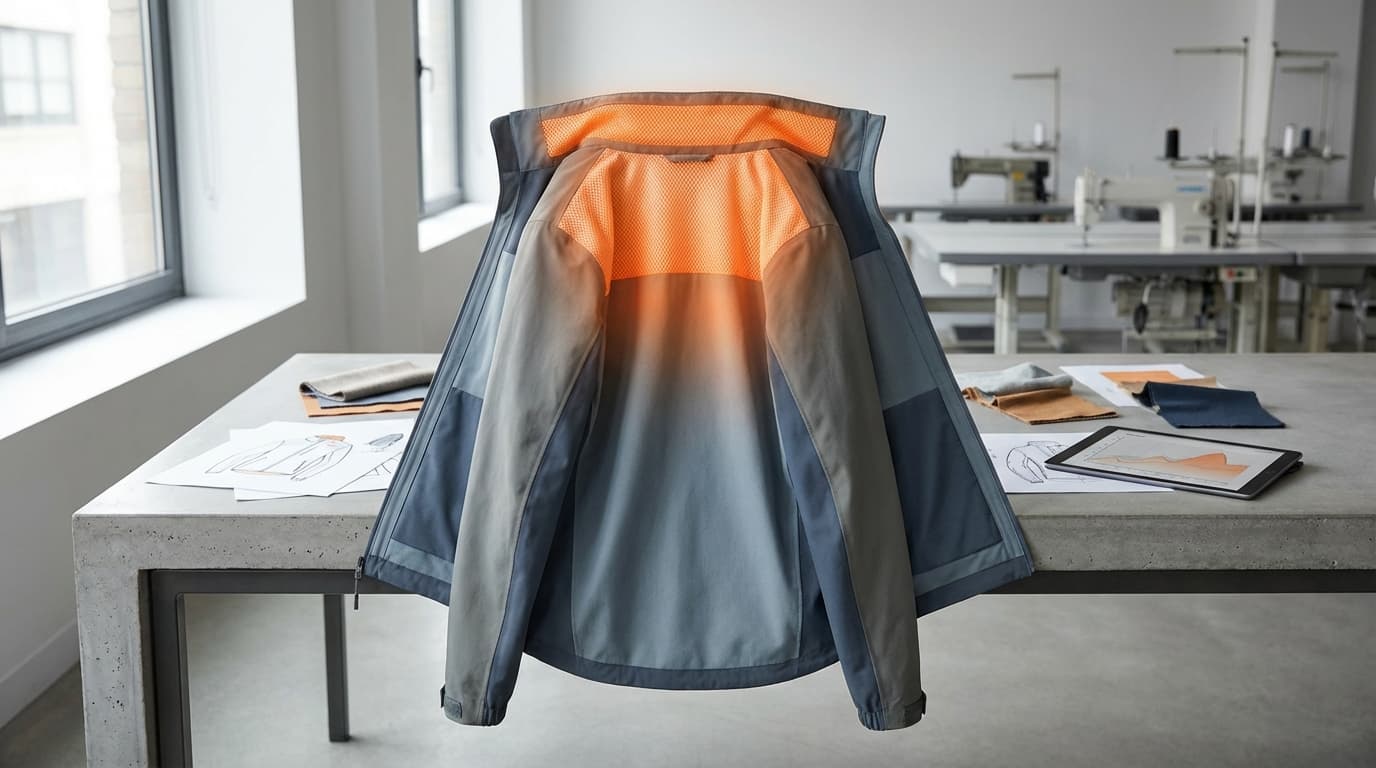
Phase-change material (PCM) integration embeds microencapsulated materials that absorb or release thermal energy as they change phase (typically from solid to liquid and back) at specific temperatures. These tiny capsules, containing materials like paraffin wax or salt hydrates, are incorporated into yarns, foams, or fabric coatings, where they act as thermal buffers that smooth temperature fluctuations.
This innovation provides passive thermal regulation without requiring power or active systems, making it ideal for applications where maintaining comfortable temperature ranges is critical. When body temperature rises, the PCM capsules absorb excess heat as they melt, preventing overheating. When temperatures drop, the PCM releases stored heat as it solidifies, providing warmth. The technology has matured to the point where encapsulation is durable enough to survive repeated washing, enabling commercial applications in outdoor gear, workwear, bedding, and athletic apparel.
The technology is particularly valuable for creating comfortable microclimates in clothing, reducing the need for frequent layer adjustments or active heating/cooling systems. As brands seek to improve comfort and performance in extreme conditions, phase-change material integration offers a passive, maintenance-free solution that enhances the thermal management capabilities of textiles without adding complexity or power requirements.
Related Organizations

The pioneer of phase-change materials for temperature regulation in textiles, originally developed for NASA.

Specialists in microencapsulation technology, specifically phase change materials.
German manufacturer specializing in phase change materials for thermal management.

Performance chemicals company focusing on flame retardancy and thermal management.
Devan Chemicals
Belgium · Company
Developer of specialty chemicals for textiles, including thermoregulation finishes.

Global leader in microencapsulation and chemical manufacturing.
Swiss textile innovator known for '3XDRY', a treatment that makes the outside water repellent and the inside water absorbent for directional flow.

Develops textile chemical finishes like HeiQ Smart Temp and HeiQ Dry to enhance moisture management and wicking properties.

Leader in advanced material technology and synthetic insulation.

Conducts advanced demonstrations like LCRD (Laser Communications Relay Demonstration) and DSOC (Deep Space Optical Comm).
Supporting Evidence
Research this in Signals
Signals turns a topic into a sourced research record you can inspect and rerun. Your first scan is free, and this one starts with Phase-Change Material Integration already loaded, so edit it or scan as is.