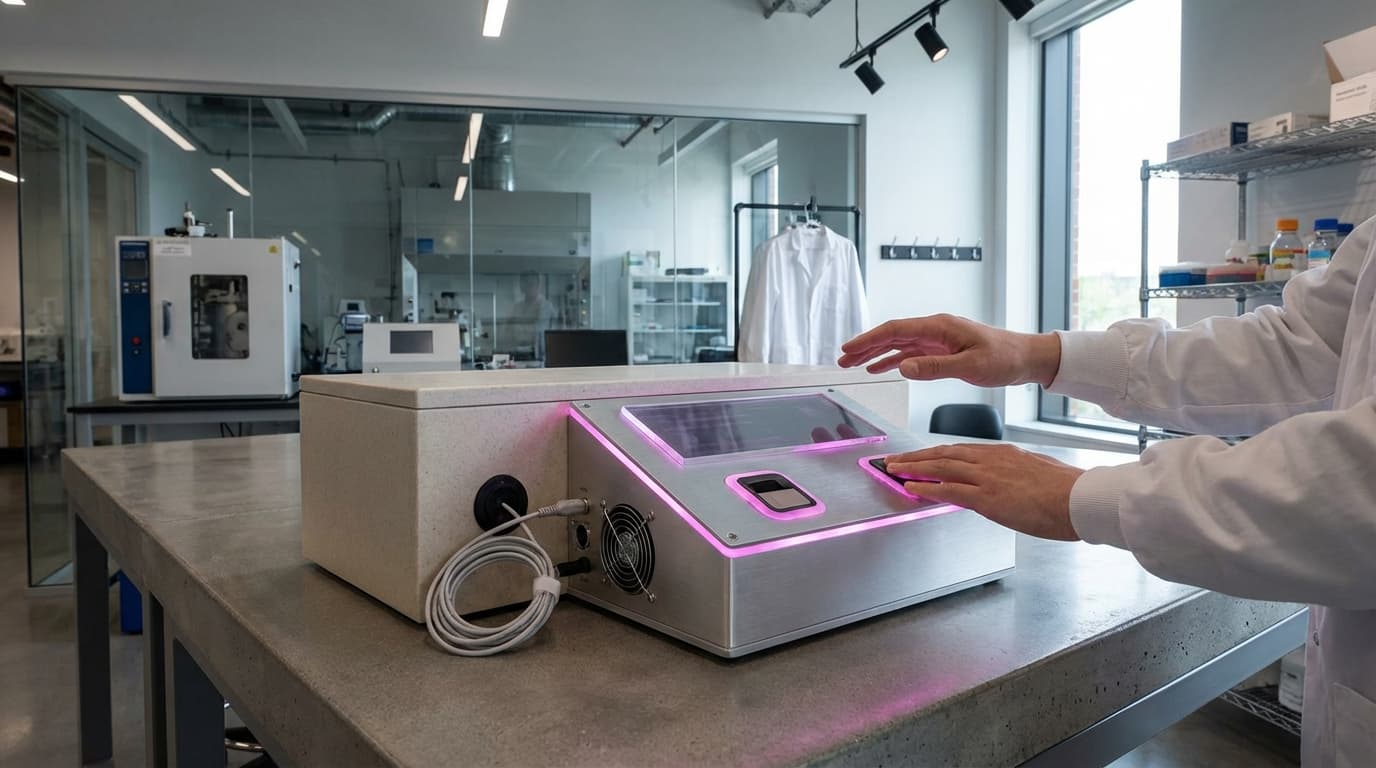
Neurotechnology Consent Frameworks
As brain-computer interfaces and neurotechnology become increasingly sophisticated and accessible, their potential application in intimate relationships raises profound ethical questions about mental privacy, autonomy, and consent. Neurotechnology consent frameworks establish the ethical guidelines, legal standards, and technical safeguards necessary when devices capable of reading or influencing emotional and cognitive states enter the deeply personal domain of human relationships. These frameworks address technologies ranging from consumer-grade EEG headbands that claim to measure emotional compatibility to more advanced systems that might modulate mood, enhance empathy, or detect deception. The core technical challenge lies in establishing clear boundaries around what constitutes informed consent when the technology itself may influence the cognitive processes required to give that consent. These frameworks must account for the asymmetric power dynamics that can emerge when one partner has access to another's neurological data, the potential for coercion through emotional manipulation, and the distinction between therapeutic applications designed to support relationship health versus enhancement technologies that might fundamentally alter authentic emotional responses.
The relationship technology sector faces a critical juncture as neurotechnology moves from clinical settings into consumer applications. Without robust consent frameworks, the industry risks enabling new forms of psychological manipulation, eroding trust in intimate relationships, and creating legal liabilities around mental privacy violations. These frameworks address several key challenges: establishing what constitutes valid consent when cognitive states are being monitored or modified, determining who owns and controls intimate neurological data, preventing coercive uses that exploit emotional vulnerabilities, and distinguishing between legitimate therapeutic interventions and manipulative enhancements. Industry analysts note that early adopters of relationship neurotechnology have already encountered scenarios where one partner uses brain-sensing devices to gain unfair advantages in conflict resolution or to verify truthfulness without mutual agreement. The frameworks also tackle the problem of "neurorights" in intimate contexts—the fundamental right to mental privacy and cognitive liberty even within committed relationships. By establishing clear ethical boundaries and technical requirements for consent verification, these standards enable responsible innovation while protecting individuals from potential neurological exploitation.
Research in neuroethics and relationship psychology suggests that several jurisdictions are beginning to develop preliminary guidelines for neurotechnology in intimate contexts, though comprehensive regulatory frameworks remain largely aspirational. Some relationship counseling practices have begun implementing consent protocols for neurofeedback-based couples therapy, requiring ongoing consent verification and strict data governance. The frameworks typically mandate that both partners receive independent counseling about the implications of neurotechnology use, establish clear protocols for data access and deletion, and require regular consent renewal rather than one-time authorization. As brain-sensing devices become more affordable and widespread, these frameworks will likely evolve to address emerging scenarios such as neurotechnology-mediated long-distance relationships, compatibility matching based on neurological patterns, and interventions designed to sustain attraction or commitment. The development of these consent frameworks represents a broader societal recognition that cognitive liberty and mental privacy constitute fundamental rights that must be preserved even in our most intimate relationships, ensuring that neurotechnology serves to enhance rather than undermine authentic human connection.
Related Organizations
A human rights organization dedicated to establishing the legal and ethical protection of neural data.

A think tank dedicated to the ethical, legal, and social implications of neuroscience.

The UN agency responsible for the 'Recommendation on the Ethics of Artificial Intelligence'.

Produces 'Ethically Aligned Design' standards, addressing the legal and ethical implications of autonomous systems.
OECD
France · Government Agency
Adopted the 'Recommendation on Responsible Innovation in Neurotechnology' to guide governments and companies.
Creates open-source brain-computer interface tools and the Galea headset (integrating with VR) for researching physiological responses.

Produces EEG headsets and the BCI-OS platform, allowing developers to build applications that respond to cognitive stress and facial expressions.

Creators of the Muse headband, a consumer EEG device used for meditation and cognitive research.

Neuroscience company developing non-invasive brain recording technology (Flow and Flux).

Neurotechnology company developing implantable brain-machine interfaces.
Supporting Evidence
Research this in Signals
Signals turns a topic into a sourced research record you can inspect and rerun. Your first scan is free, and this one starts with Neurotechnology Consent Frameworks already loaded, so edit it or scan as is.