Virtual Consent Frameworks
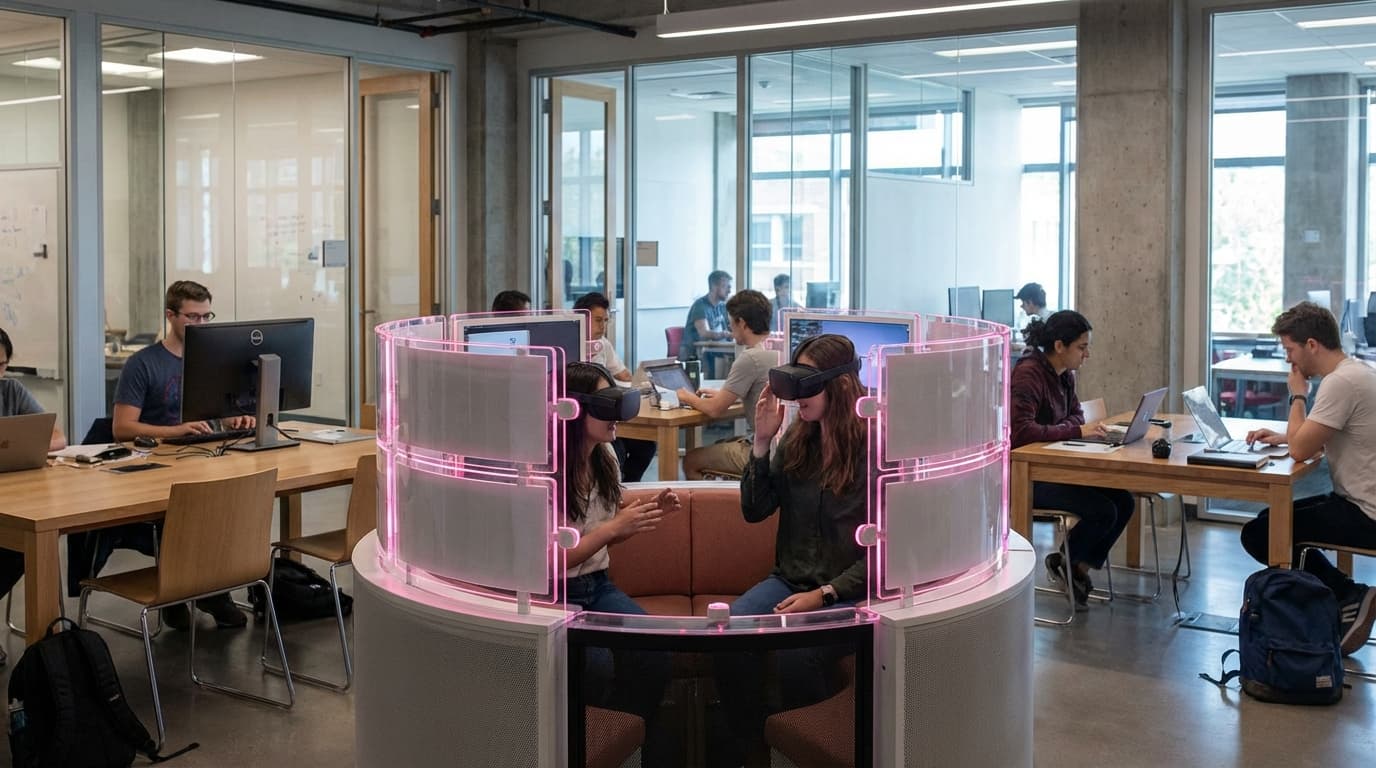
Virtual Consent Frameworks represent a critical evolution in digital safety infrastructure, addressing the unique challenges of embodied presence in immersive environments. Unlike traditional online platforms where interactions occur through text or video, virtual reality and augmented reality create a sense of physical co-presence that can trigger genuine emotional and physiological responses to boundary violations. These frameworks combine technical protocols—such as proximity detection systems, haptic feedback controls, and permission-based interaction layers—with community governance structures to establish clear boundaries around avatar interactions. At their core, these systems implement spatial computing principles to create invisible but enforceable zones around users' digital representations, allowing individuals to define who can approach them, initiate contact, or enter their personal space. The technology typically includes customizable settings for different contexts (public gatherings versus private meetings) and relationship levels (strangers versus friends), with real-time enforcement mechanisms that can blur, fade, or completely remove violating avatars from a user's field of view.
The emergence of these frameworks addresses a pressing challenge as social VR platforms and metaverse environments gain mainstream adoption: the documented prevalence of harassment, unwanted touching, and boundary violations that exploit the psychological realism of immersive experiences. Research suggests that virtual harassment can produce stress responses comparable to real-world violations, particularly given the brain's difficulty distinguishing between physical and highly realistic virtual experiences. Traditional content moderation approaches—retroactive reporting and account suspension—prove inadequate in immersive contexts where harm occurs instantaneously and viscerally. Virtual Consent Frameworks solve this by shifting from reactive to preventive safety models, embedding consent mechanisms directly into the interaction architecture. This enables new forms of social commerce and professional collaboration in virtual spaces, as businesses can now offer immersive customer experiences, virtual workplaces, and digital events with greater confidence in user safety and regulatory compliance.
Major social VR platforms have begun implementing various consent features, from simple personal space bubbles that prevent avatar overlap to sophisticated gesture recognition systems that require explicit permission before initiating handshakes or other social touches. Some implementations allow users to set default consent levels upon entering a space, while others employ AI-driven systems that detect potentially threatening behavior patterns and automatically increase protective measures. Educational institutions piloting VR classrooms and corporations exploring virtual offices are increasingly requiring these frameworks as baseline safety infrastructure. Industry observers note that as immersive technologies become more haptic-enabled—incorporating touch feedback through gloves and bodysuits—the importance of robust consent protocols will only intensify. The development trajectory suggests a future where consent frameworks become as fundamental to virtual environments as authentication systems are to traditional digital platforms, potentially establishing new legal and ethical standards for embodied digital interaction that could influence broader discussions about technology, autonomy, and human dignity in increasingly hybrid physical-digital lives.
Related Organizations

A global non-profit dedicated to providing privacy and safety standards for the immersive ecosystem (VR/AR).


Research lab led by Jeremy Bailenson studying the psychological effects of VR and AR.

Creators of ToxMod, a voice-native content moderation tool that uses AI to detect toxicity in real-time voice chat.

Creators of Second Life, which pioneered early governance, estate rights, and avatar interaction permissions.

A social VR/gaming platform heavily focused on user-generated content.
Spirit AI
United Kingdom · Company
Develops 'Ally', a tool for detecting and intervening in online harassment and toxicity.

A coalition of gaming companies working to reduce toxicity and encourage healthy player interactions.

Provides 'Utopia AI Moderator', a language-agnostic tool for moderating text and images in gaming and social platforms.
Supporting Evidence
Research this in Signals
Signals turns a topic into a sourced research record you can inspect and rerun. Your first scan is free, and this one starts with Virtual Consent Frameworks already loaded, so edit it or scan as is.