Digital Afterlife Presences
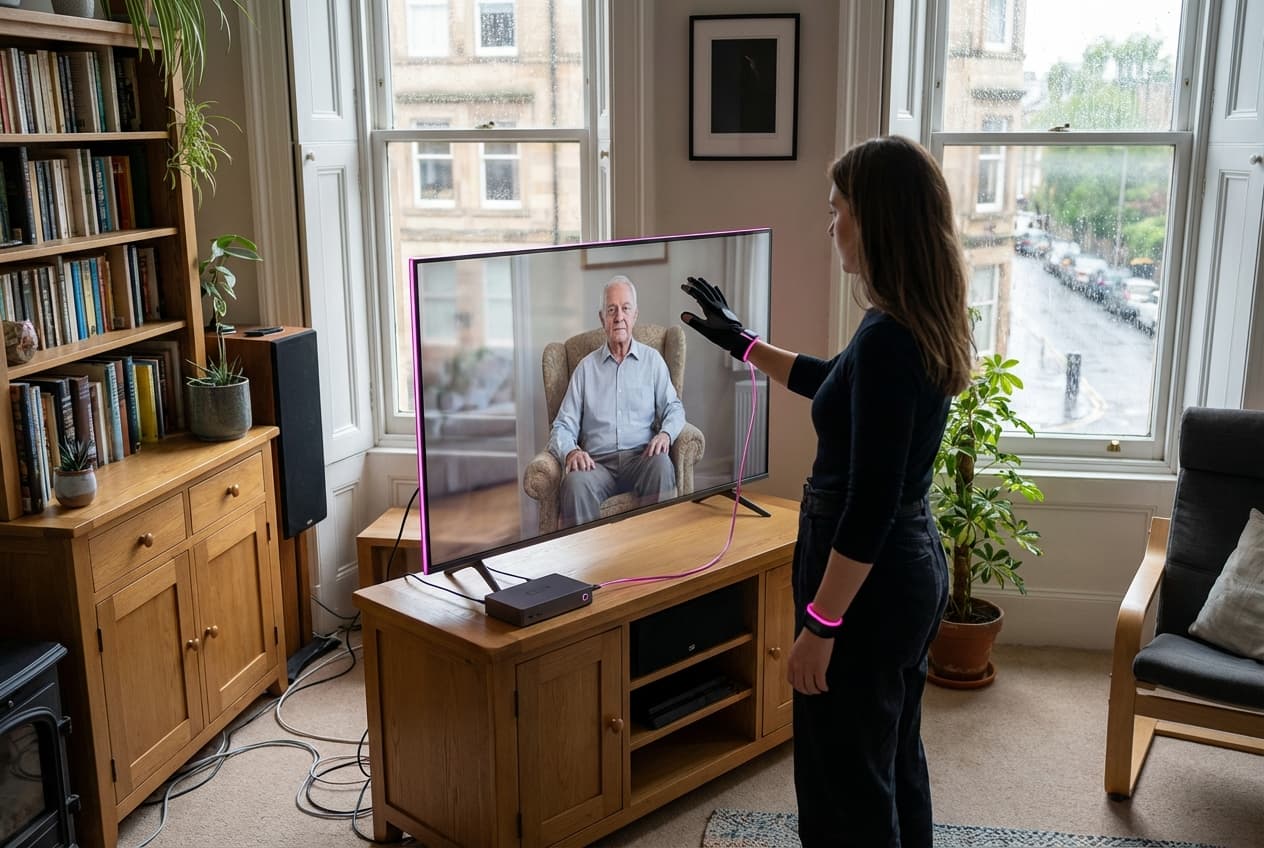
Digital afterlife presences represent an emerging intersection of artificial intelligence, natural language processing, and memorial practices, where machine learning systems are trained on the digital footprint of deceased individuals to create interactive conversational agents. These systems work by aggregating various forms of personal data—including social media posts, emails, text messages, voice recordings, photographs, and video content—to build comprehensive models of an individual's communication patterns, personality traits, and knowledge base. Advanced natural language processing algorithms analyse linguistic patterns, vocabulary choices, and conversational styles, while voice synthesis technology can recreate distinctive speech characteristics. The resulting AI avatar attempts to simulate how the deceased person might have responded to questions or engaged in dialogue, drawing from their documented history to generate contextually appropriate responses that reflect their known perspectives and manner of expression.
The development of these technologies addresses profound human needs surrounding grief, memory preservation, and the desire to maintain connections with those who have passed. Traditional memorial practices have long centred on static representations—photographs, videos, written records—that capture moments but cannot respond or evolve. Digital afterlife presences offer a fundamentally different approach, creating what some researchers describe as "continuing bonds" through interactive engagement. For families navigating loss, particularly when death occurs suddenly or before important life events, these systems can provide opportunities for closure, allow younger family members to "know" relatives they never met, or preserve cultural knowledge and family histories that might otherwise be lost. The technology also raises significant ethical considerations within the relationship technology sector, including questions about consent, data ownership, authenticity, and the psychological impact of maintaining relationships with AI representations of the deceased.
Early implementations of digital afterlife services have emerged from both established technology companies and specialised startups, with some platforms allowing individuals to proactively create their own posthumous avatars while alive, ensuring greater control over how they are represented. Current applications range from simple chatbot interfaces to more sophisticated multimodal experiences incorporating synthesised voice and video. Mental health professionals have begun examining both the potential therapeutic benefits and risks, noting that while some users report comfort and support in their grieving process, others may experience confusion or delayed acceptance of loss. As society grapples with increasingly digital lives and the massive data trails individuals leave behind, digital afterlife presences represent a broader trend toward technologically mediated memory and the blurring boundaries between physical presence and digital persistence. The trajectory of this field will likely be shaped by evolving cultural attitudes toward death, ongoing advances in AI capabilities, and the development of ethical frameworks governing the creation and use of posthumous digital representations.
Related Organizations

An app that records personal stories and uses AI to let loved ones ask questions about those memories later.

Creates conversational video AI that allows people to record their life stories for future generations to interact with.

Interdisciplinary research centre at Cambridge exploring the nature of AI intelligence and moral status.

An open VR world that natively supports external NFT assets and avatars.

A company developing AI-driven interactive avatars that allow users to 'train' their digital selves before death.

Through Copilot and the 'Recall' feature in Windows, Microsoft is integrating persistent memory and agentic capabilities directly into the operating system.

Develops 'Creative Reality' technology that animates still photos into talking avatars, widely used in e-learning applications.
Supporting Evidence
Research this in Signals
Signals turns a topic into a sourced research record you can inspect and rerun. Your first scan is free, and this one starts with Digital Afterlife Presences already loaded, so edit it or scan as is.