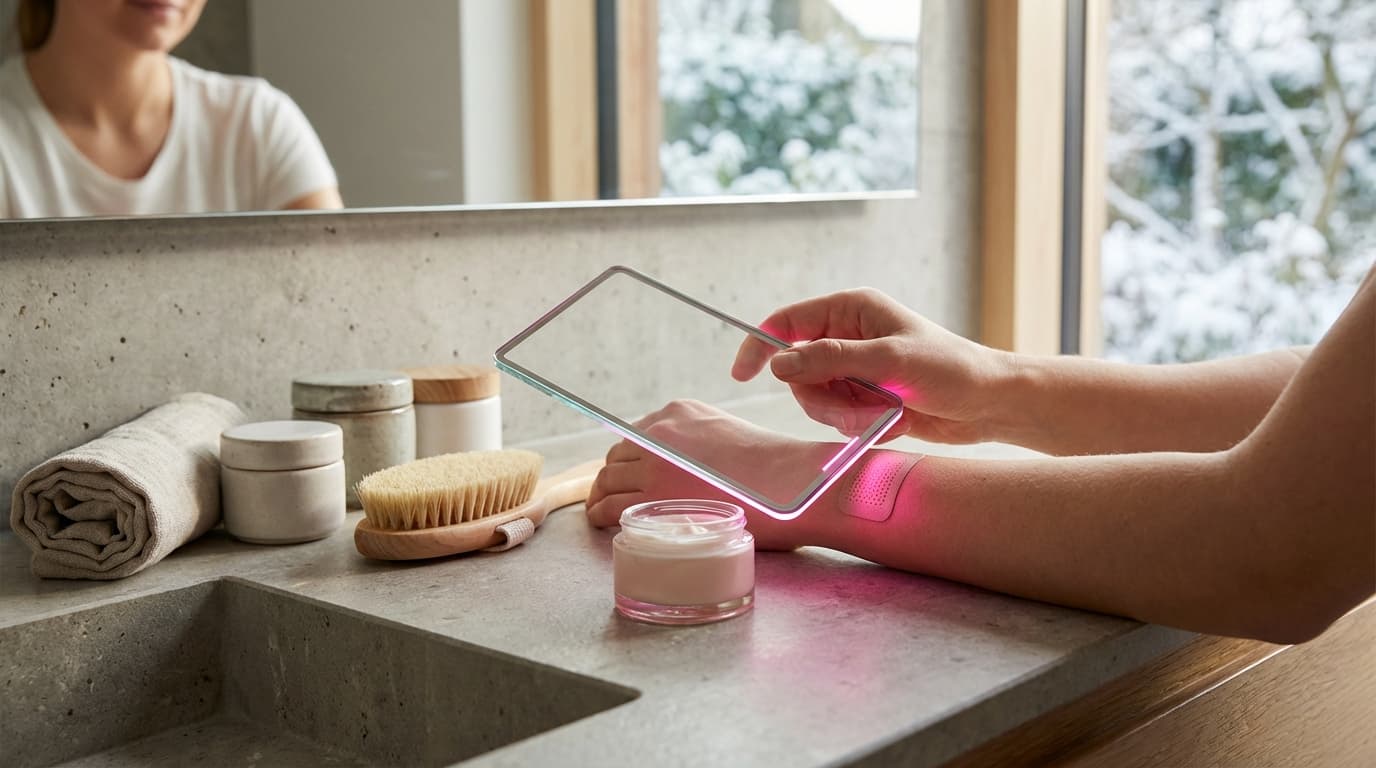
Ingredient Compatibility Algorithms
Ingredient compatibility algorithms use rule-based systems and machine learning models to analyze skincare product formulations, identifying potential conflicts, contraindications, and optimal layering strategies. These systems understand chemical interactions—such as how retinoids can be destabilized by certain acids, how pH differences affect ingredient efficacy, or how certain combinations can cause irritation—and provide recommendations for safe product combinations and application orders. By analyzing ingredient lists from multiple products in a routine, these algorithms can flag problematic combinations, suggest alternatives, and recommend optimal sequencing to maximize benefits while minimizing adverse reactions.
This innovation addresses the complexity of modern skincare routines, where consumers often use multiple products with active ingredients without understanding how they interact. By providing compatibility checking, these systems help prevent irritation, product degradation, and reduced efficacy from incompatible combinations. Skincare apps, ingredient databases, and beauty retailers are integrating these capabilities, with some systems offering real-time compatibility checking when users build routines.
The technology is particularly significant for preventing the common problem of over-treatment and ingredient conflicts, where combining too many actives or incompatible products can damage the skin barrier and cause irritation. As algorithms improve and incorporate more data about ingredient interactions, compatibility checking could become a standard feature in skincare apps and retail platforms. However, ensuring accuracy, keeping up with new ingredients and formulations, and providing actionable recommendations remain challenges. The technology represents an important tool for safe, effective skincare, but requires continuous updates and validation to maintain accuracy.
Related Organizations
United States · Startup
Provides an AI-powered formulation platform for brands to check ingredient compliance, safety, and compatibility in real-time.
SkinSort
United States · Company
A consumer-facing platform that analyzes product ingredients to identify potential fungal acne triggers, comedogenic ratings, and ingredient conflicts.
Hungary · Company
A widely used database that decodes ingredient lists, explaining the function and compatibility of chemical compounds in skincare.
United States · Startup
Uses the 'Skin Genome Project' database to create personalized skincare products based on AI analysis of data, including genetic predispositions and lifestyle factors.
Finland · Startup
Provides a Digital Health-Beauty-Wellness Platform that combines AI skin analysis with AR try-on capabilities for retailers.
Malaysia · Company
Provides cosmetic ingredient analysis tools to identify potential irritants and ingredient conflicts.
South Korea · Startup
A mobile-first community and analysis tool that filters products based on ingredient inclusion/exclusion criteria.
United States · Startup
An AI app that scans product barcodes to analyze safety and compatibility scores for cosmetic ingredients.
Taiwan · Company
One of the original ingredient analysis databases allowing users to check formulations for safety and comedogenic risks.
Estonia · Startup
A leader in generative AI for skincare, creating predictive models that simulate skin aging and the effects of products over time.
Supporting Evidence
Research this in Signals
Signals turns a topic into a sourced research record you can inspect and rerun. Your first scan is free, and this one starts with Ingredient Compatibility Algorithms already loaded, so edit it or scan as is.