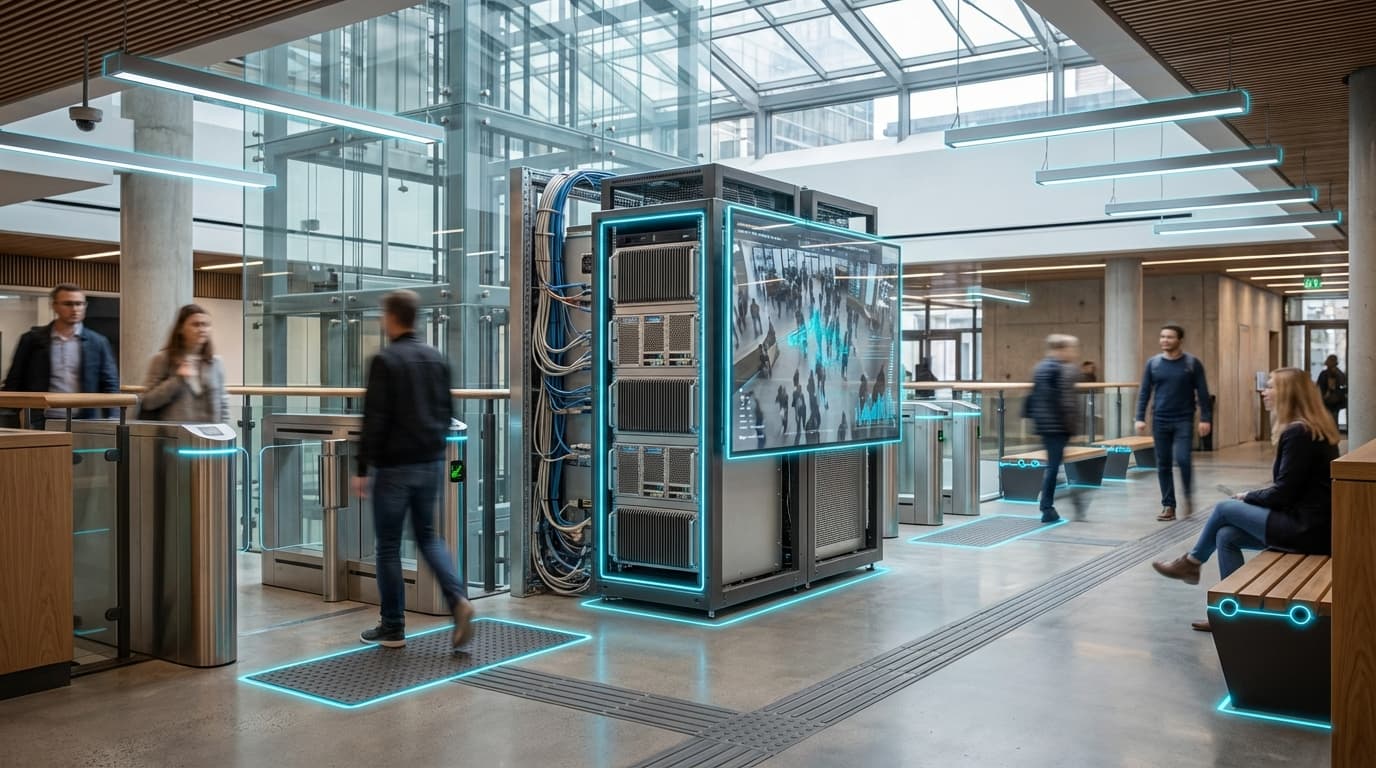
Privacy-Preserving Mobility Analytics
Privacy-Preserving Mobility Analytics represents a suite of advanced computational techniques designed to extract meaningful insights from traveler movement patterns and booking behaviors while maintaining strict individual privacy protections. At its technical core, this approach employs three primary mechanisms: differential privacy, which adds carefully calibrated statistical noise to datasets to prevent the identification of individual records; federated learning, which trains machine learning models across distributed devices or servers without exchanging raw data; and secure multi-party computation, which enables collaborative analysis among multiple stakeholders without revealing their proprietary datasets to one another. These methods work in concert to create analytical frameworks where aggregate patterns emerge clearly while individual trajectories remain mathematically indistinguishable from background noise. The technical architecture typically involves edge computing devices that perform initial data processing locally, cryptographic protocols that ensure data remains encrypted during transmission and analysis, and algorithmic guarantees that limit the information any single query can reveal about specific individuals.
The tourism and travel industry faces a fundamental tension between the need for comprehensive mobility data to optimize operations and the imperative to protect traveler privacy in an era of heightened regulatory scrutiny and consumer awareness. Traditional analytics approaches require centralizing vast quantities of personal movement data—including location histories, booking patterns, and travel preferences—creating significant security vulnerabilities and compliance challenges under frameworks like GDPR and various data protection regulations. Privacy-Preserving Mobility Analytics resolves this dilemma by enabling transportation operators, tourism boards, and hospitality providers to answer critical business questions about demand patterns, route optimization, capacity planning, and service quality without ever possessing complete individual travel records. This capability unlocks new collaborative possibilities, allowing competing airlines, hotel chains, or transit agencies to pool insights for regional planning or crisis response while maintaining competitive confidentiality. The technology also addresses growing consumer resistance to data sharing, as travelers increasingly demand transparency about how their information is used and protected.
Early deployments of these techniques are already demonstrating practical value across the travel ecosystem. Transit authorities in several metropolitan areas have implemented differential privacy frameworks to publish ridership statistics and optimize scheduling without exposing individual commuter patterns. Research initiatives have shown that federated learning can improve demand forecasting for airlines and hotels by leveraging distributed booking data across multiple platforms without centralizing sensitive customer information. Tourism analytics platforms are beginning to incorporate secure computation methods that allow destination marketing organizations to understand visitor flows and preferences through aggregated insights from multiple data providers—hotels, attractions, and transportation services—without any single entity accessing the complete dataset. As privacy regulations continue to tighten globally and travelers become more sophisticated about their digital rights, these privacy-preserving approaches are transitioning from experimental techniques to essential infrastructure for the travel industry. The trajectory suggests a future where comprehensive mobility intelligence and robust privacy protection are not competing priorities but complementary capabilities, enabling the tourism sector to deliver personalized, efficient services while earning and maintaining traveler trust in an increasingly data-conscious world.
Related Organizations

A data platform that models the built environment and human movement patterns to help public agencies make informed decisions.

Uses mobile network data to analyze human mobility patterns, helping cities understand and manage tourist influxes.

Specializes in mobile positioning data for official statistics and tourism analytics.

Big Data for Mobility platform providing on-demand analytics for transportation.

A mobility intelligence company committed to privacy-preserving data collection.

MotionTag
Germany · Startup
Provides technology to analyze mobility behaviors from smartphone sensors.

The B2B division of Orange Group, offering the 'Flux Vision' solution.

Telefonica Tech
Spain · Company
The digital business unit of Telefónica, offering Big Data and AI solutions.

Location intelligence platform providing human mobility data.

A pioneer in population movement analytics using wireless network signaling data.
Supporting Evidence
Research this in Signals
Signals turns a topic into a sourced research record you can inspect and rerun. Your first scan is free, and this one starts with Privacy-Preserving Mobility Analytics already loaded, so edit it or scan as is.