Overtourism Mitigation Systems
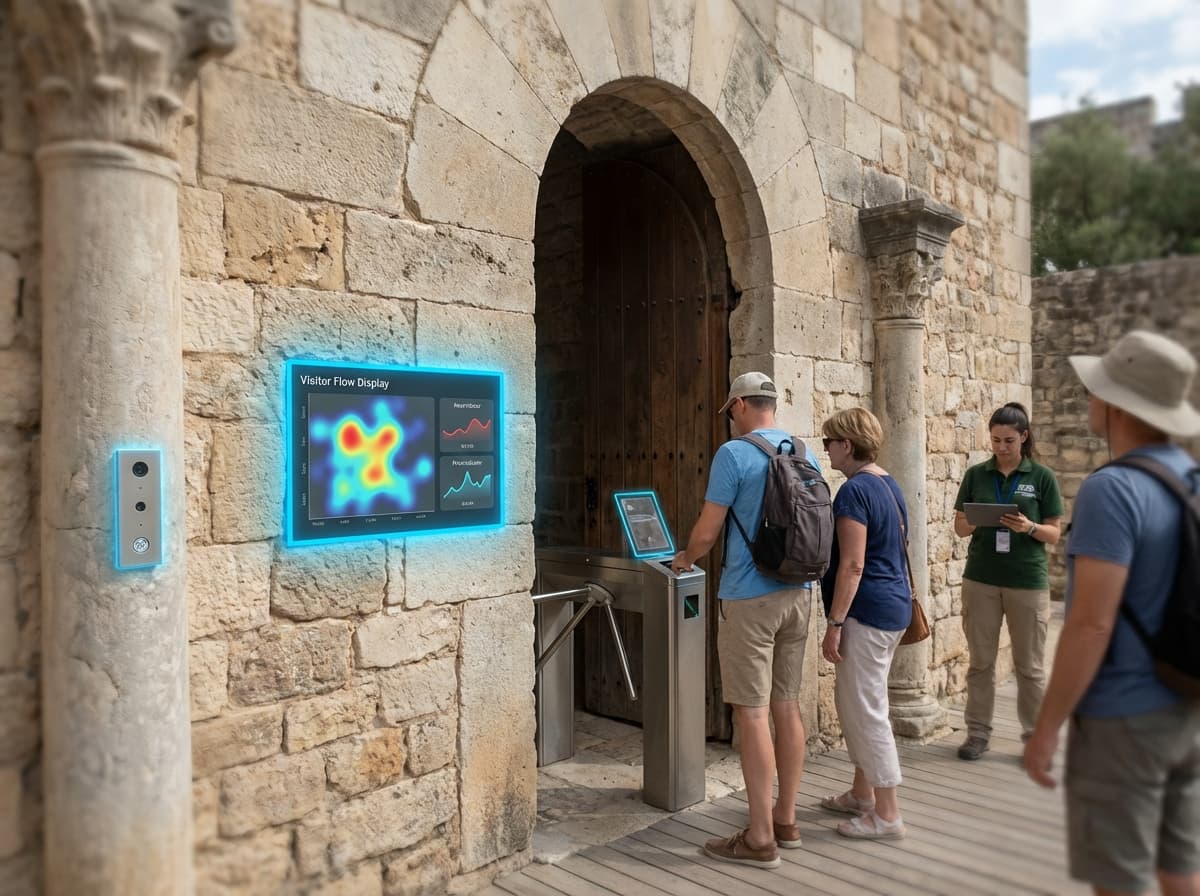
Overtourism Mitigation Systems represent a convergence of digital infrastructure, policy frameworks, and real-time monitoring technologies designed to address the growing challenge of excessive visitor concentrations in popular destinations. These systems integrate multiple data streams—including mobile network analytics, sensor networks, booking platforms, and transportation data—to create comprehensive visibility into visitor flows and density patterns. The technical architecture typically combines predictive analytics engines that forecast peak demand periods, dynamic pricing algorithms that adjust entry fees or accommodation costs based on capacity thresholds, and automated permitting systems that enforce visitor caps. Advanced implementations incorporate geofencing technologies, digital queue management, and smart signage that redirects visitors to alternative attractions in real-time. The underlying mechanisms rely on cloud-based platforms that can process large volumes of data and coordinate responses across multiple stakeholders, from municipal authorities to private tour operators.
The fundamental problem these systems address is the deterioration of both visitor experiences and destination sustainability when tourism demand exceeds the carrying capacity of physical sites, infrastructure, and local communities. Traditional tourism management relied on static regulations and reactive measures that often proved inadequate against rapidly shifting visitor patterns amplified by social media and budget air travel. Overtourism has led to environmental degradation of fragile ecosystems, erosion of cultural heritage sites, strain on water and waste management systems, and displacement of local residents through housing market distortions. These integrated frameworks enable destinations to move from crisis management to proactive capacity planning, balancing economic benefits with preservation goals. By implementing variable pricing during peak periods, authorities can generate revenue while naturally distributing demand across time and space. The multi-stakeholder governance component ensures that local communities have meaningful input into tourism policies, helping prevent the gentrification and cultural commodification that often accompany unchecked visitor growth.
Several destinations have begun deploying these systems with varying degrees of sophistication. Venice has implemented day-tripper fees and advance booking requirements during peak seasons, while popular natural sites in national parks increasingly use timed-entry reservations to prevent overcrowding on trails and at viewpoints. Tourism boards in cities like Amsterdam and Barcelona have adopted dispersal strategies that promote lesser-known neighborhoods and attractions through digital platforms and incentive programs. Research suggests that dynamic pricing mechanisms can reduce peak-period demand by significant margins while maintaining overall visitor satisfaction when coupled with clear communication and alternative options. The technology continues to evolve toward more predictive capabilities, incorporating weather forecasts, event calendars, and even sentiment analysis from social media to anticipate surges. As climate change and shifting travel patterns create new pressures on popular destinations, these systems represent an essential toolkit for sustainable tourism management, offering pathways to preserve both the character of places and the quality of visitor experiences for future generations.
Related Organizations

The local government body implementing the world's first city-wide entry fee and booking system for day-trippers.

A travel intelligence platform that analyzes big data to help destinations manage tourism sustainability and demand.

The city marketing organization responsible for the 'Stay Away' campaign and de-marketing strategies.

Analyzes geospatial data, sentiment, and trends to help destinations manage visitor flows and sustainability.

Implements 'Kyoto Tourism Nav', a crowd forecast system that encourages visitors to visit less crowded areas/times.

Uses mobile network data to analyze human mobility patterns, helping cities understand and manage tourist influxes.

The United Nations agency responsible for the promotion of responsible, sustainable and universally accessible tourism.

Analyzes global flight booking data to predict traveler trends and flows.

A leader in global economic forecasting and econometric analysis.
Supporting Evidence
Research this in Signals
Signals turns a topic into a sourced research record you can inspect and rerun. Your first scan is free, and this one starts with Overtourism Mitigation Systems already loaded, so edit it or scan as is.