Neural Implants
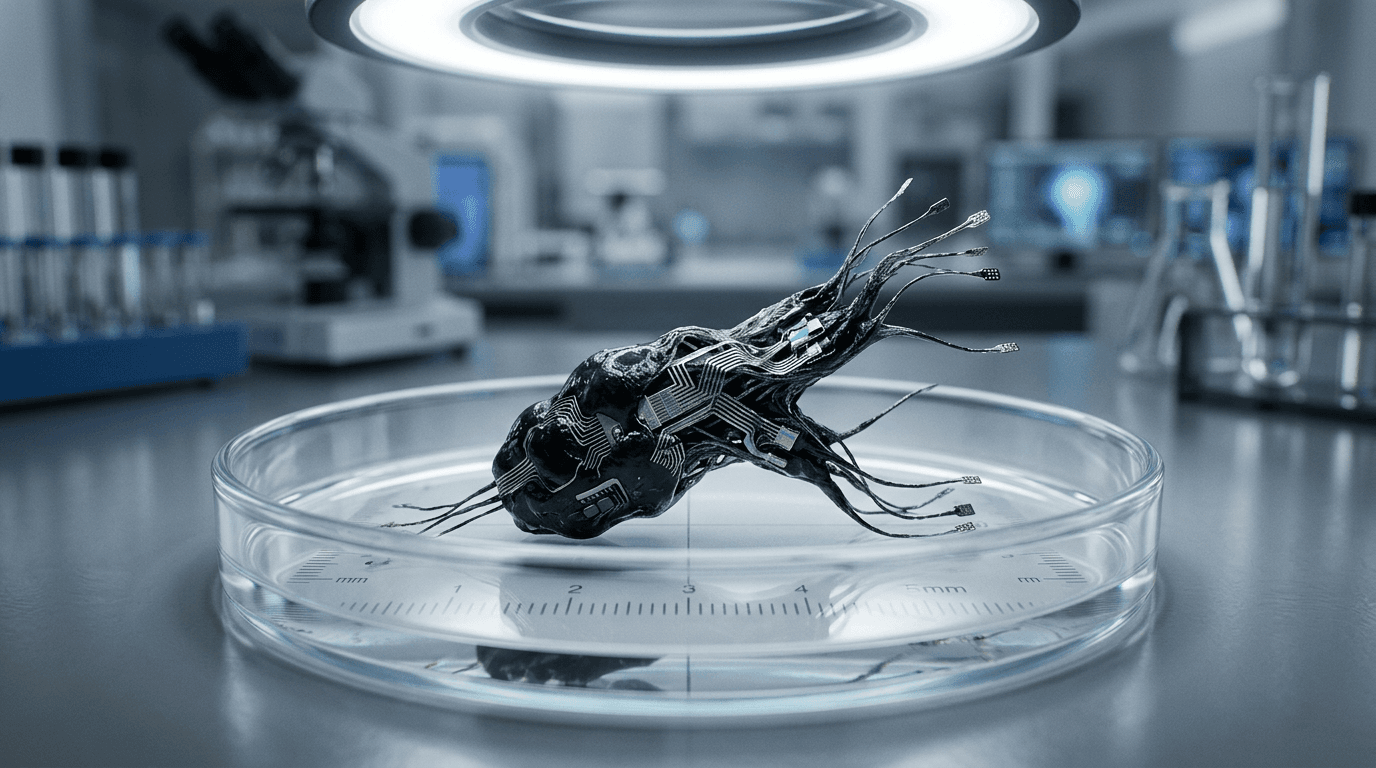
Neural implants in the context of alleged alien abduction phenomena represent one of the most tangible and controversial aspects of extraterrestrial contact claims. Unlike subjective experiences or recovered memories, these are physical objects that can be examined, tested, and analysed in laboratory settings. The objects in question are typically small—ranging from a few millimetres to several centimetres—and are discovered embedded in soft tissue, often in extremities, nasal cavities, or behind the ear. What makes these cases particularly intriguing to researchers is the reported absence of visible entry wounds or scar tissue that would normally accompany foreign object insertion. Surgical removal procedures, most notably those performed by podiatric surgeon Dr. Roger Leir and his colleagues, have yielded objects with unusual characteristics: some are metallic and non-magnetic, others appear crystalline or ceramic-like, and many are encased in a dense, grey biological membrane that histological analysis suggests may inhibit the body's normal foreign object rejection response. Laboratory testing of these materials has reportedly revealed compositions including meteoritic iron, unusual isotope ratios inconsistent with terrestrial sources, and in some cases, electromagnetic properties such as radio frequency emissions or responses to magnetic fields.
The implications of these alleged implants extend beyond the abduction phenomenon into broader questions about surveillance technology, biological monitoring, and the limits of current scientific understanding. Proponents of the extraterrestrial hypothesis suggest these objects serve as tracking devices, biological sensors, or even neural interface technology far beyond current human capabilities. Some researchers have noted similarities between the reported functions of these objects and emerging terrestrial technologies in the fields of bioelectronics and neural engineering, raising questions about whether such devices could represent advanced versions of technologies humanity is only beginning to develop. The objects' alleged ability to integrate with biological tissue without rejection, emit signals, and remain undetected for years would represent significant breakthroughs in materials science and biomedical engineering if verified. However, the lack of clear electronic components, circuitry, or power sources in most examined objects challenges claims of technological sophistication.
Sceptical analysis of these cases provides alternative explanations that don't require extraterrestrial intervention. Medical professionals have noted that the objects could be mundane materials—glass fragments from childhood injuries, naturally occurring biological calcifications, or even deliberately inserted hoax materials. The exotic isotope ratios, while intriguing, could potentially result from terrestrial processes not yet fully understood or from contamination during handling and analysis. The absence of entry scars might be explained by the body's healing processes over time or by insertion points in areas of natural tissue folds. Critics also point out that despite decades of removals, no implant has demonstrated unambiguous technological functionality or communication capabilities under controlled laboratory conditions. The phenomenon sits at the intersection of fringe science, genuine medical anomalies, and cultural mythology about alien contact. Whether these objects represent suppressed evidence of non-human technology, misidentified biological or environmental materials, or elaborate hoaxes remains a subject of intense debate. What is certain is that they provide rare physical evidence in a field dominated by subjective testimony, making them worthy of continued scientific scrutiny even as mainstream science remains deeply sceptical of extraterrestrial explanations.
Research this in Signals
Signals turns a topic into a sourced research record you can inspect and rerun. Your first scan is free, and this one starts with Neural Implants already loaded, so edit it or scan as is.