Interactive Documentary Platforms
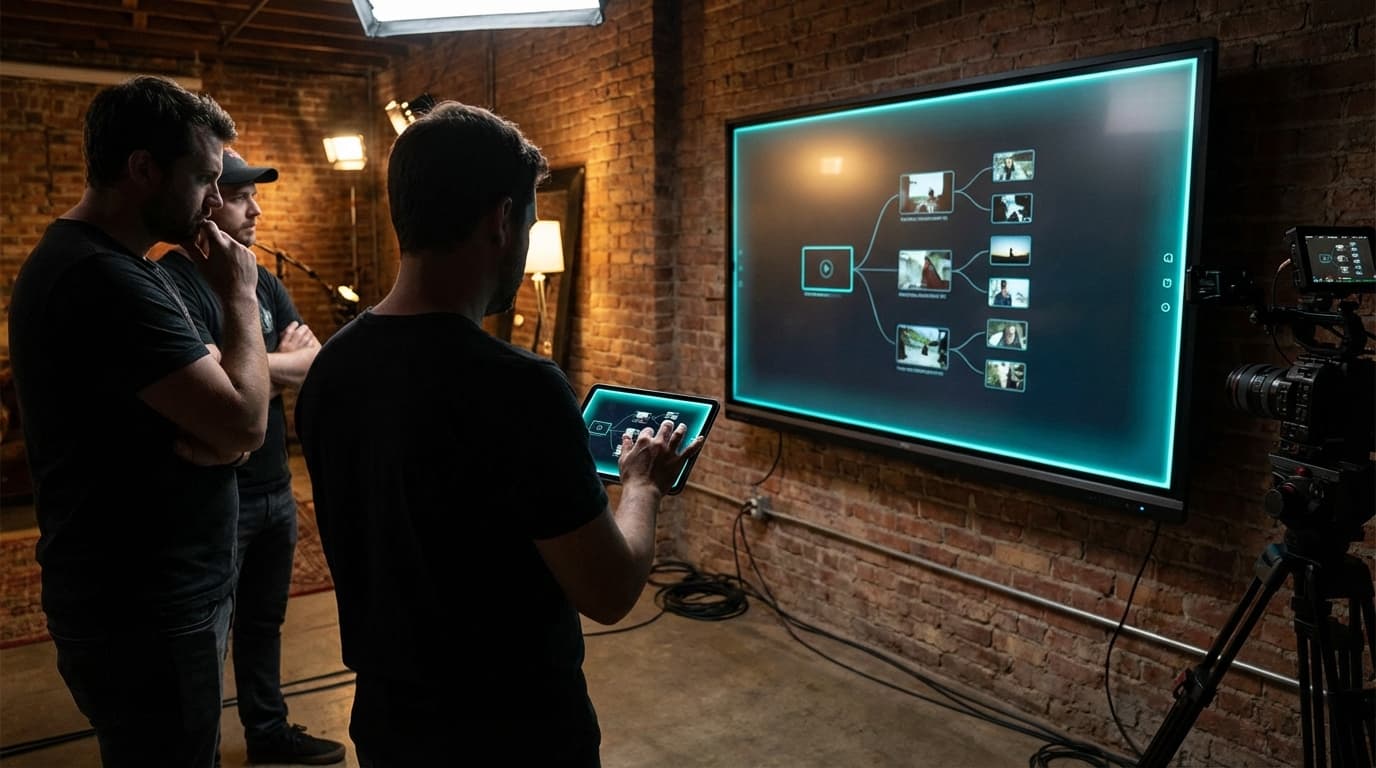
Interactive documentary platforms ingest interviews, archival video, sensor data, and GIS layers into graph databases, then expose them through branching narrative engines built in Unreal, Shorthand, or web-native WebGL stacks. Instead of a linear hour, audiences traverse story nodes based on themes, characters, or questions, with the interface recomposing footage and annotations on the fly. Editors design guardrails so the path remains journalistic while still honoring viewer agency.
Museums, investigative newsrooms, and educators deploy these platforms to let citizens explore climate impacts neighborhood by neighborhood, revisit oral histories from multiple perspectives, or simulate policy decisions. Sponsors embrace the format for civic hackathons and classrooms because analytics reveal which branches audiences explore, informing follow-up reporting. The medium also integrates community submissions, allowing viewers to append their own data or testimonies.
Challenges (TRL 6) involve funding interactive maintenance, accessibility compliance, and ensuring nonlinear journeys remain fact-checked. The Documentary Lab at MIT, Arte, and The Guardian have established best practices—packaging source sets, exposing APIs, and archiving story graphs so projects remain playable when hosting changes. As no-code tools mature, expect interactive docs to sit alongside linear films as a default release format for complex investigative work.
Related Organizations

A research center at MIT dedicated to the future of documentary storytelling and emerging technologies.
Public film producer and distributor known globally as a pioneer in interactive web documentaries and digital storytelling studios.

An interactive video technology company that enables choice-driven entertainment and commercial content.

A no-code platform designed specifically for creating branching narrative videos and interactive films.
France · Company
A cloud-based editing tool for interactive storytelling, allowing designers to mix video, sound, and data.
Australia · Company
A visual storytelling platform used by media organizations to create immersive 'scrollytelling' articles.

A digital production studio famous for producing award-winning web documentaries like 'Do Not Track'.
Germany · Open Source
An open-source software system for creating database narratives and nonlinear films.
Supporting Evidence
Research this in Signals
Signals turns a topic into a sourced research record you can inspect and rerun. Your first scan is free, and this one starts with Interactive Documentary Platforms already loaded, so edit it or scan as is.