Rights of Nature Legal Frameworks
Rights of Nature legal frameworks represent a fundamental reimagining of environmental law, granting legal personhood or inherent rights to natural entities such as rivers, forests, wetlands, and soil ecosystems. Unlike traditional environmental regulations that treat nature as property or resources to be managed for human benefit, these frameworks recognise ecosystems as rights-bearing entities with intrinsic value and legal standing. The approach draws from Indigenous legal traditions that have long viewed nature as possessing agency and deserving of respect, now being codified into contemporary legal systems. Technically, these frameworks operate through constitutional amendments, specific legislation, or judicial recognition that establishes ecosystems as legal persons capable of being represented in court, typically through appointed guardians or trustees who can advocate on behalf of the natural entity. This legal architecture creates enforceable obligations for humans to protect ecosystem health, integrity, and regenerative capacity, fundamentally altering the relationship between human activity and the natural world.
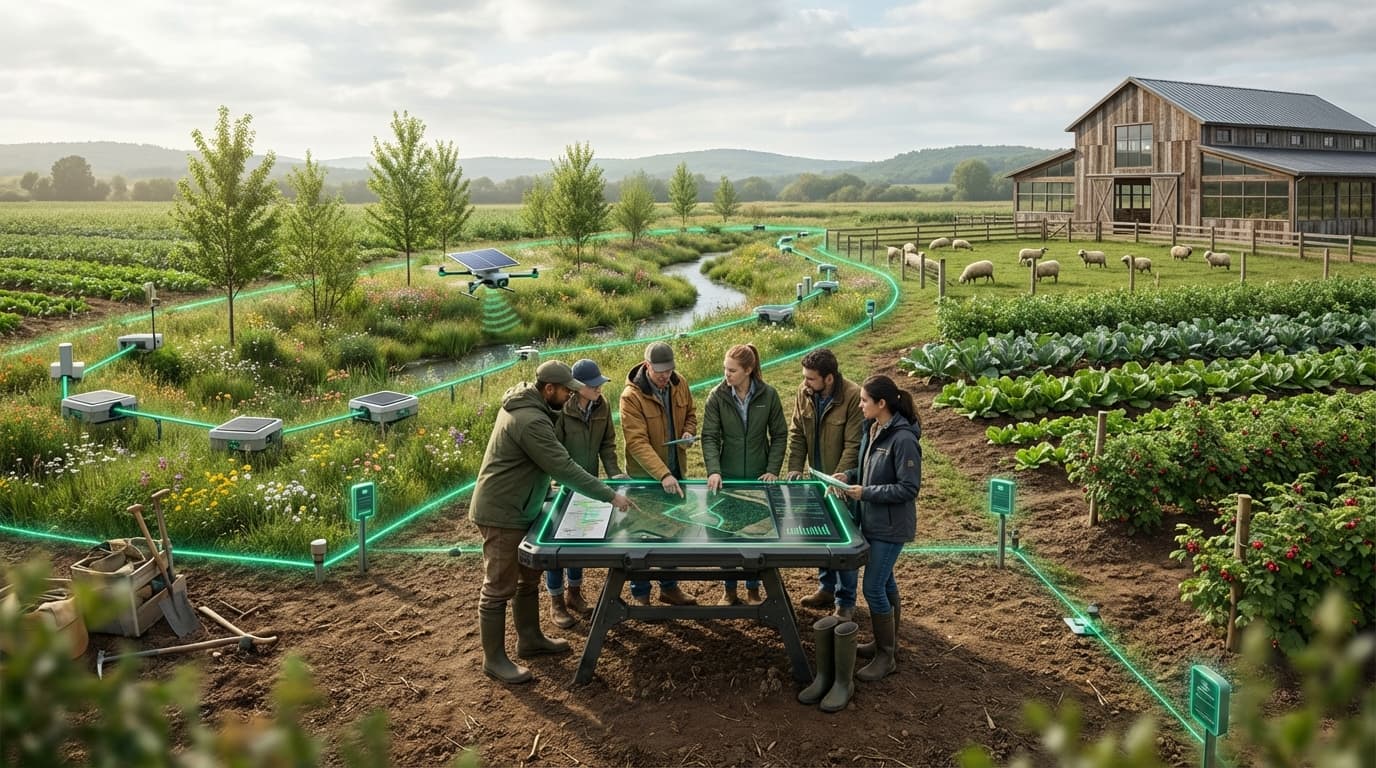
For agricultural systems, Rights of Nature frameworks present a transformative shift in the regulatory landscape, moving beyond conventional compliance models focused on pollution limits or resource extraction quotas. Traditional agricultural regulation has primarily addressed negative externalities—limiting pesticide runoff, managing water withdrawal, or controlling soil erosion—while still treating land as a commodity to be exploited for maximum productivity. Under Rights of Nature paradigms, the legal baseline shifts to one of co-existence and reciprocity, where farming practices must actively support ecosystem health rather than merely minimise harm. This creates potential legal obligations for regenerative agriculture, cover cropping, biodiversity enhancement, and soil building not as voluntary best practices or incentive-based programs, but as fundamental duties owed to the land itself. Agricultural operations could face legal challenges if their practices demonstrably harm the rights of soil ecosystems to regenerate, or violate a watershed's right to flow freely and maintain water quality. This framework also opens pathways for ecosystems to have legal standing in disputes over industrial agriculture expansion, monoculture farming, or practices that degrade long-term land fertility.
Several jurisdictions have already implemented pioneering Rights of Nature provisions, with Ecuador's 2008 constitutional recognition of Pachamama (Mother Earth) being among the most comprehensive, while New Zealand has granted legal personhood to the Whanganui River and Te Urewera forest ecosystem. In agricultural contexts, these frameworks remain largely untested but hold profound implications for future food production systems. Early applications suggest that Rights of Nature could mandate transition periods away from extractive farming toward regenerative models, require ecosystem impact assessments before agricultural expansion, or establish legal mechanisms for soil and watershed restoration. The approach aligns with growing recognition that industrial agriculture's degradation of soil health, water systems, and biodiversity represents an existential threat to long-term food security. As climate pressures intensify and ecosystem collapse accelerates, Rights of Nature frameworks may become essential legal tools for enforcing the systemic transformation of agriculture from extractive to regenerative paradigms, ensuring that food production operates within ecological boundaries not through voluntary adoption but through legal mandate.
Related Organizations

A non-profit law firm providing legal services and organizing support to communities facing environmental threats, pioneering Rights of Nature ordinances in the US.

The supreme constitutional court of Ecuador, responsible for interpreting the 2008 Constitution which was the first to enshrine Rights of Nature.

A global network of organizations and individuals committed to the universal adoption and implementation of legal systems that recognize, respect, and enforce 'Rights of Nature'.

The post-settlement governance entity for the Whanganui River, which was granted legal personhood (Te Awa Tupua) in 2017.

Founded by key figures in the movement, CDER partners with communities, governments, and indigenous peoples to advance Rights of Nature laws.
A legal advocacy organization working to secure legal rights for nature, including rivers, oceans, and ecosystems, often within urban contexts.

An organization working with climate justice and indigenous communities to pass laws recognizing the rights of nature.
Supporting Evidence
Research this in Signals
Signals turns a topic into a sourced research record you can inspect and rerun. Your first scan is free, and this one starts with Rights of Nature Legal Frameworks already loaded, so edit it or scan as is.