Digital Twin Actors
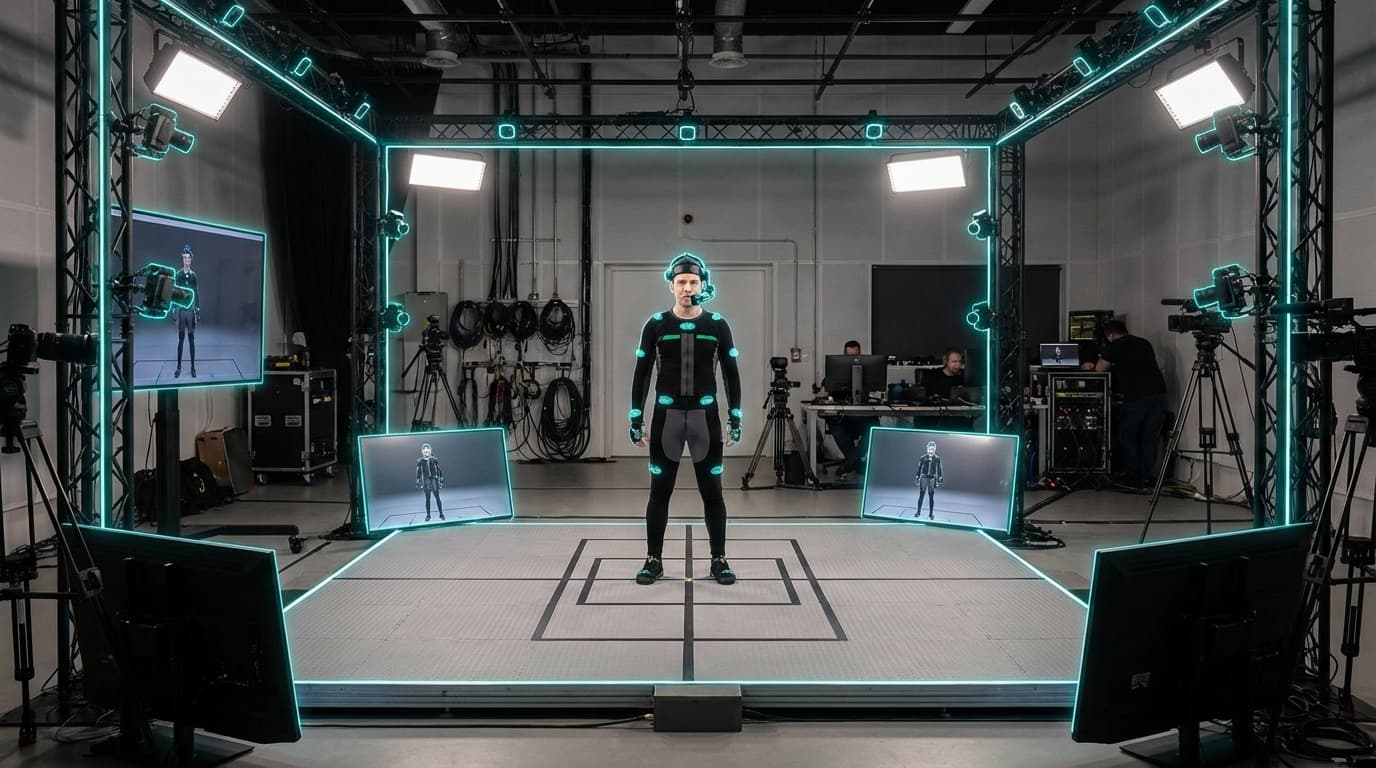
Digital twin actors combine volumetric capture, facial rigging, and neural performance synthesis to create photoreal avatars that move, emote, and speak like their human counterparts. Studios capture high-resolution scans, motion libraries, and voiceprints, then bake them into modular asset kits that can be staged inside game engines or virtual production volumes. Smart contracts or union-negotiated ledgers track every use so the performer controls how their likeness appears across films, games, brand activations, or immersive theatre.
For media companies, licensed twins compress production schedules: a K-drama star can simultaneously headline a Latin American telenovela while filming in Seoul, and sports broadcasters can insert athletes into global sponsorship campaigns without travel. Companies like Metaphysic, Dimension, and Hedra work with SAG-AFTRA and Equity to build “digital stand-in” workflows that keep residuals flowing and ensure AI directors stay within negotiated guardrails. The model also safeguards continuity—aging performers can reprise roles decades later, and franchised universes maintain canonical characters without recasting.
TRL 6 deployments already appear in Disney’s virtual stunt doubles and Netflix’s localization pilots, but labor agreements and provenance tech remain critical. Watermarking, behavioral audits, and consent dashboards protect against misuse, while regulators in the EU and California explore “personality data rights.” As these governance layers mature, expect digital twins to shift from novelty cameos to dependable building blocks that let actors scale globally while retaining authorship over their identity.
Related Organizations

Creates 'Hypermodels'—digital identities for A-list talent that can be monetized across games, films, and metaverse environments.

Leading developer of hyper-realistic generative AI avatars and de-aging technology for film and entertainment.
United States · Company
Legendary VFX studio with proprietary 'Masquerade' facial capture technology for creating autonomous digital humans.

Provides voice cloning technology that allows one person to speak with the voice of another (voice-to-voice conversion).

A leading volumetric production studio that has produced high-profile volumetric experiences for fashion and music.
United States · Startup
Specializes in neural rendering and AI-driven facial synthesis for creating photoreal avatars from single images.

Creates autonomously animated 'Digital People' with simulated nervous systems.

A film lab developing 'TrueSync' technology to visually translate films by altering lip movements to match dubbed audio.
An AI video generation platform allowing the creation of custom avatars for learning and development (L&D) content.
Supporting Evidence
Research this in Signals
Signals turns a topic into a sourced research record you can inspect and rerun. Your first scan is free, and this one starts with Digital Twin Actors already loaded, so edit it or scan as is.