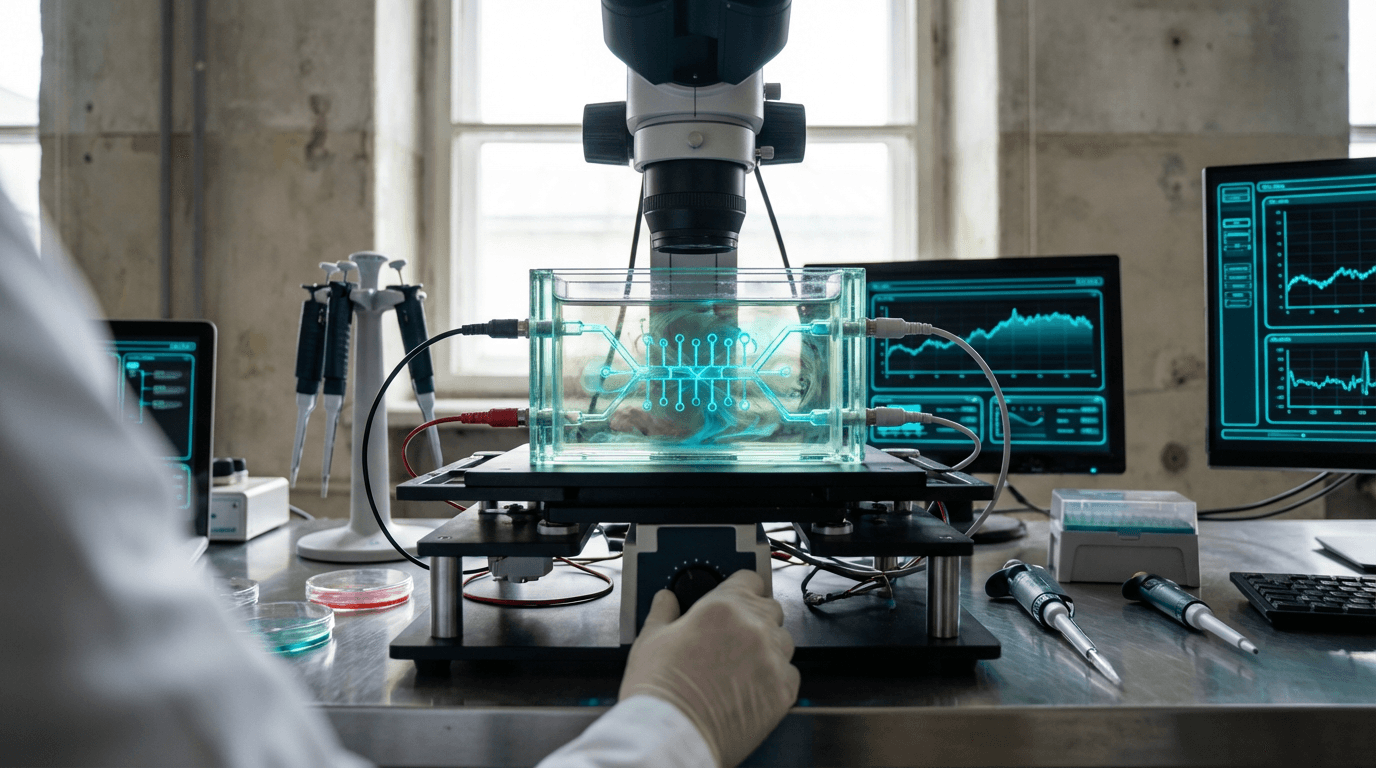
Molecular Communication & Internet of Bio-Nano Things
Molecular communication represents a fundamental shift in how information can be transmitted, moving away from traditional electromagnetic wave-based systems to leverage the natural language of biological systems: chemical signaling. At the nanoscale, where conventional wireless technologies face severe limitations due to antenna size constraints and signal propagation challenges, molecular communication employs molecules as information carriers. The process works through several key mechanisms: encoding information into the type, concentration, or release timing of specific molecules; transmitting these molecules through diffusion, flow, or active transport; and detecting them at receiver sites through chemical receptors or biosensors. This biomimetic approach draws directly from how cells naturally communicate through neurotransmitters, hormones, and other signaling molecules, creating a communication paradigm that is inherently compatible with biological environments.
The emergence of molecular communication addresses critical limitations in healthcare delivery and environmental monitoring where electromagnetic signals cannot penetrate or would cause interference. Traditional drug delivery systems lack the ability to coordinate multiple therapeutic agents or respond dynamically to changing conditions within the body. Molecular communication enables networks of bio-nano devices—such as engineered bacteria, synthetic cells, or nanoparticles—to work collaboratively, sharing information about local conditions, coordinating release of therapeutics, or triggering responses based on detected biomarkers. This forms the foundation of the Internet of Bio-Nano Things, where microscopic devices can communicate within blood vessels, interstitial fluids, or even inside cells. Beyond medicine, this technology enables new approaches to environmental sensing in aquatic systems, industrial bioprocessing, and agricultural applications where chemical-based communication naturally integrates with existing biological processes.
Research groups have demonstrated proof-of-concept molecular communication systems using engineered bacteria that release and detect specific signaling molecules, as well as synthetic systems using calcium ions or pH changes as information carriers. Early experimental deployments indicate potential applications in coordinated cancer treatment, where multiple types of nanoparticles could communicate to optimize drug release timing and location, or in continuous health monitoring through networks of biosensors that share information about glucose levels, inflammation markers, or pathogen presence. The technology aligns with broader trends toward biointegrated electronics and precision medicine, though significant challenges remain in standardizing molecular communication protocols, improving transmission reliability in complex biological environments, and ensuring biocompatibility and safety. As nanotechnology and synthetic biology continue to advance, molecular communication is positioned to enable a new generation of medical interventions and sensing systems that operate seamlessly within the chemical complexity of living systems.
Research this in Signals
Signals turns a topic into a sourced research record you can inspect and rerun. Your first scan is free, and this one starts with Molecular Communication & Internet of Bio-Nano Things already loaded, so edit it or scan as is.