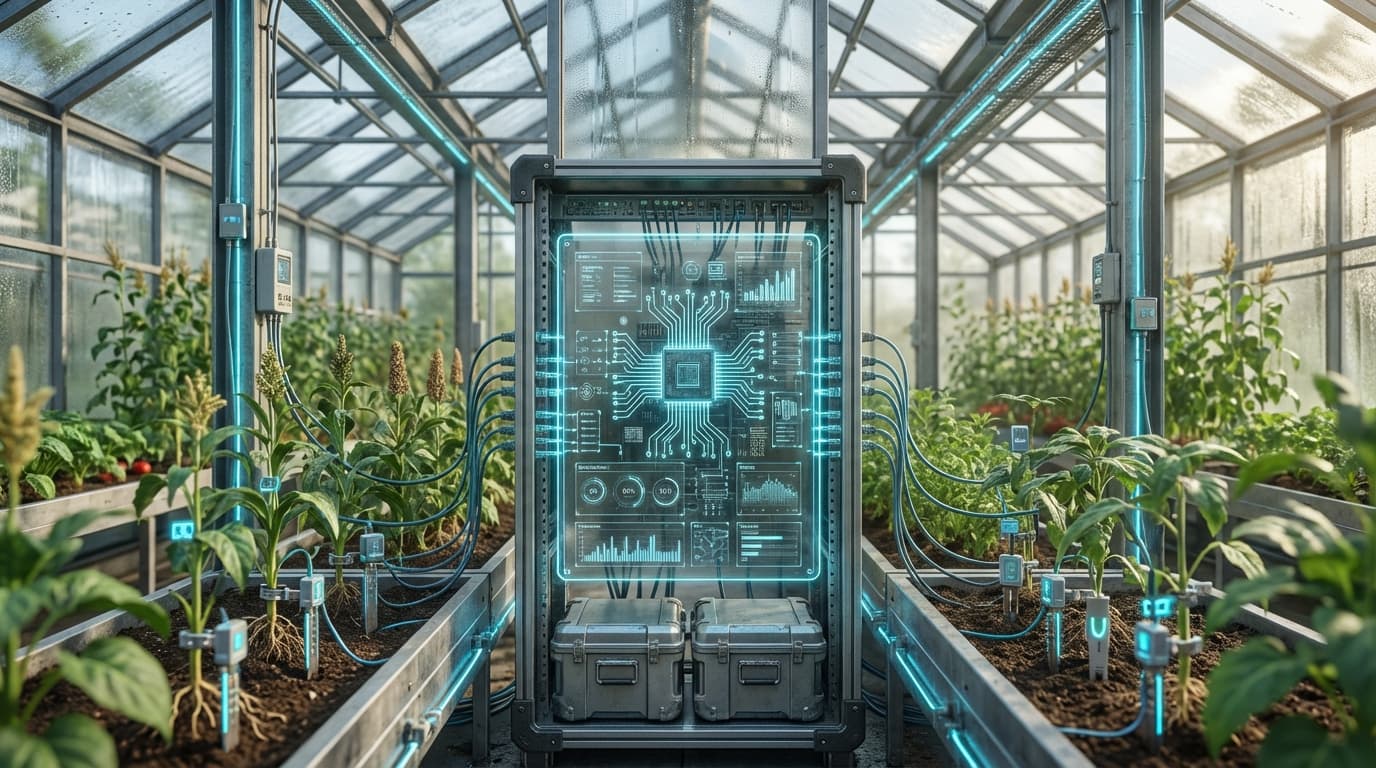
Massive IoT Connectivity Platforms
The proliferation of connected devices has created an unprecedented challenge in telecommunications: how to efficiently manage and connect billions of low-power sensors and devices that need to transmit small amounts of data over extended periods. Traditional cellular networks, designed for high-bandwidth applications like smartphones and video streaming, are ill-suited for devices that may only send a few bytes of data per day but need to operate for years on a single battery. Massive IoT Connectivity Platforms address this fundamental mismatch by integrating specialized protocols—including Narrowband IoT (NB-IoT), Long-Term Evolution for Machines (LTE-M), and Low-Power Wide-Area Network (LPWAN) technologies—into unified management systems. These platforms orchestrate device provisioning, data routing, security authentication, and lifecycle management across heterogeneous networks, enabling telecommunications providers and enterprises to deploy sensor networks at scales previously unattainable.
The core challenge these platforms solve is the economic and operational feasibility of connecting devices where traditional connectivity would be prohibitively expensive or energy-intensive. A soil moisture sensor in a remote agricultural field, a parking space occupancy detector, or a water meter in a basement all share common requirements: minimal power consumption, low hardware costs, and the ability to penetrate buildings or operate in challenging radio environments. By supporting protocols specifically engineered for these constraints, Massive IoT platforms enable business models that were previously impossible. They incorporate automated device onboarding that can handle thousands of sensors activating simultaneously, tiered security frameworks that balance protection with computational overhead, and analytics engines that can identify anomalies across millions of data points. This infrastructure transforms industries by making it economically viable to instrument physical environments at granular levels, whether tracking individual shipping containers across global supply chains or monitoring structural integrity across thousands of bridge sensors.
Current deployments span diverse sectors, with telecommunications operators increasingly offering Massive IoT connectivity as a managed service alongside traditional mobile offerings. In precision agriculture, these platforms connect soil sensors, weather stations, and irrigation controllers across vast farmlands, enabling data-driven decisions that optimize water usage and crop yields. Smart building implementations use them to network thousands of occupancy sensors, environmental monitors, and asset trackers within single facilities, reducing energy consumption while improving space utilization. Environmental monitoring networks leverage the technology to deploy air quality sensors across urban areas or wildlife tracking devices in remote ecosystems where traditional connectivity infrastructure doesn't exist. As the number of connected devices continues its exponential growth trajectory—with industry analysts projecting tens of billions of IoT endpoints in coming years—these platforms represent critical infrastructure for the emerging machine-to-machine economy, bridging the gap between physical world sensing and digital intelligence systems.
Related Organizations
Semiconductor supplier and developer of the LoRaWAN protocol.

Provides a flat-rate connectivity platform for IoT devices, simplifying the management of massive device fleets.


A cloud-native IoT connectivity platform that integrates cellular networks with cloud services for massive scale.

Steward of the Helium Network, a decentralized wireless infrastructure.

Enterprise LoRaWAN solutions provider and backer of The Things Network.

Full-stack IoT platform offering hardware modules, connectivity, and device management cloud.

Provides a global connectivity management platform and core network for IoT service providers.

Supporting Evidence
Research this in Signals
Signals turns a topic into a sourced research record you can inspect and rerun. Your first scan is free, and this one starts with Massive IoT Connectivity Platforms already loaded, so edit it or scan as is.