Edge Computing
Edge Computing
Processing data at the network edge to cut latency and bandwidth use
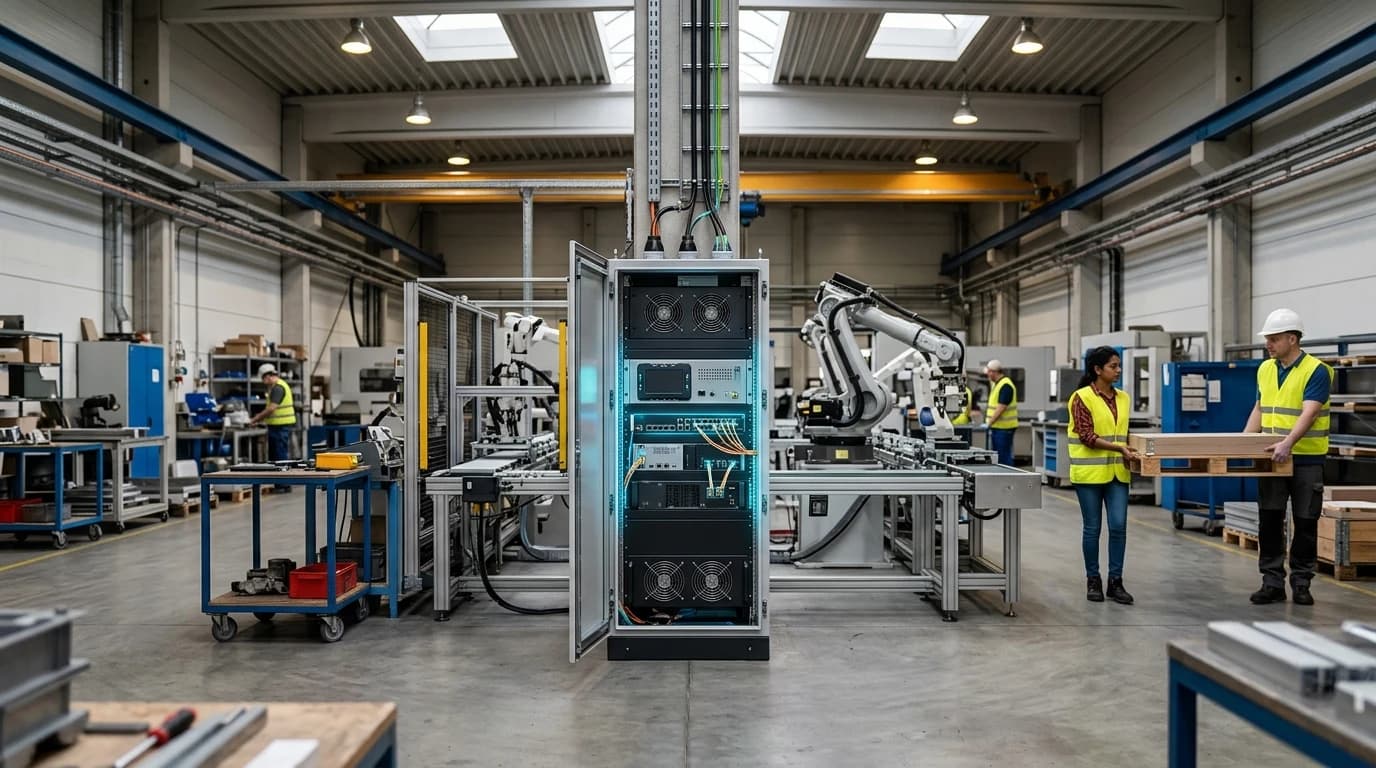
Edge computing moves computation and storage from centralised data centres to locations closer to the source or consumer of data—network edges, base stations, gateways, or on-device. Data is processed locally where it is generated or needed, reducing round-trip latency, bandwidth use, and dependence on backhaul. Major providers offer edge offerings: Microsoft Azure Edge Zones and Azure IoT Edge deploy low-latency compute in strategic locations; AWS Wavelength embeds AWS infrastructure in 5G networks for mobile and IoT workloads; Cloudflare Workers and similar platforms run serverless functions at the edge for content, APIs, and logic.
The approach addresses the limits of a cloud-only model when applications require millisecond response times, offline or low-connectivity operation, or strict data residency. Use cases include autonomous vehicles and industrial control, where delay is unacceptable; smart cities and retail, where local aggregation reduces upstream traffic; and content delivery and real-time collaboration. In space, projects such as HPE’s Spaceborne 2 demonstrate edge processing aboard satellites, reducing downlink volume and enabling faster reaction to observed events. Privacy and sovereignty concerns also favour keeping sensitive data at the edge.
Deployment is expanding but fragmented: edge nodes vary in capability, and orchestration across cloud, edge, and device remains complex. Standardisation efforts and vendor ecosystems are maturing. As 5G and fibre reach more locations, edge computing will continue to complement centralised cloud for latency-sensitive, data-heavy, and distributed applications.
TRL
8/9Deployed
Impact
5/5
Investment
5/5
Category
Hardware
What was expected
Published forecasts about this technology, graded against what happened in Hindsight.
Research this in Signals
Scan Edge Computing for yourself.
Signals turns a topic into a sourced research record you can inspect and rerun. Your first scan is free, and this one starts with Edge Computing already loaded, so edit it or scan as is.