Anti-Censorship & Circumvention Protocols
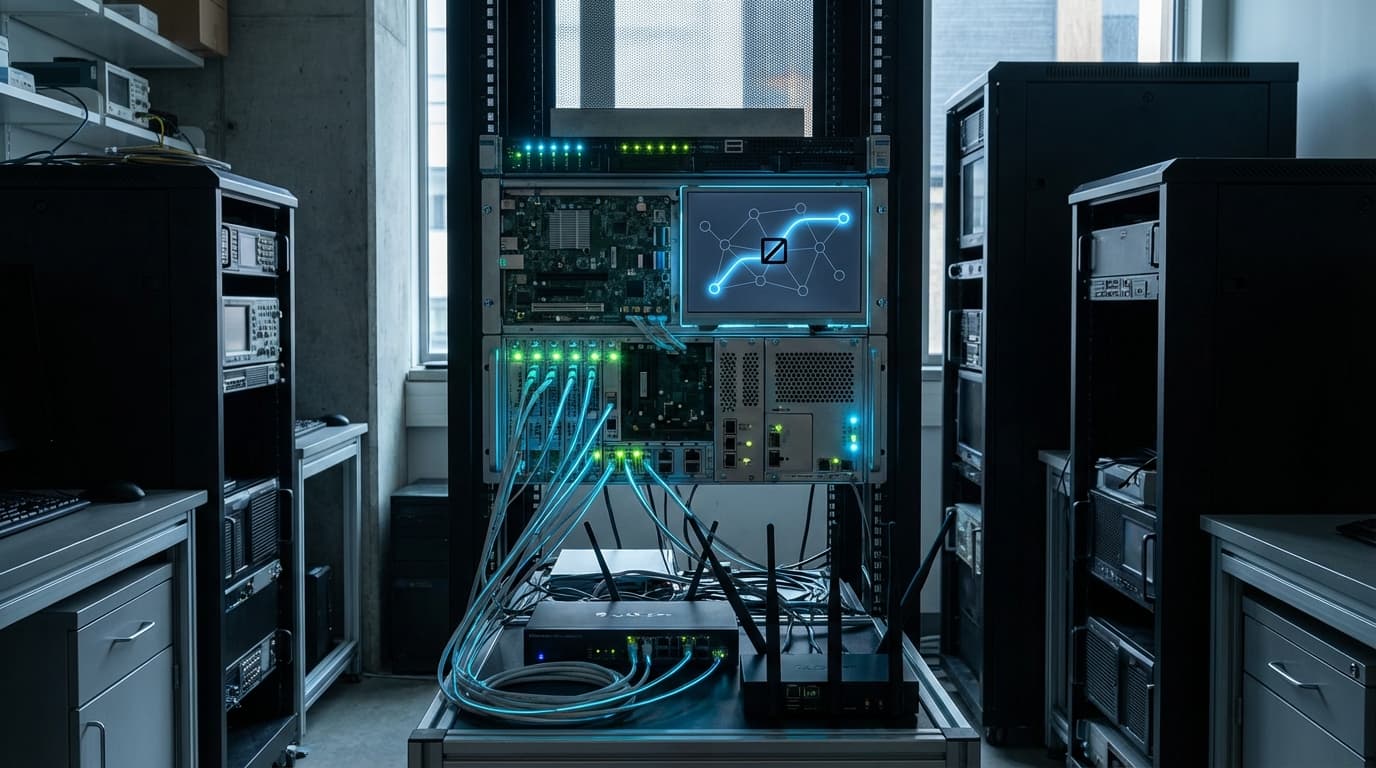
In regions where authoritarian regimes impose strict controls over information flow, citizens, journalists, and activists face systematic barriers to accessing uncensored information and communicating freely. Anti-censorship and circumvention protocols represent a suite of technical approaches designed to bypass state-level internet filtering, surveillance, and shutdowns. These technologies operate through several key mechanisms: steganographic techniques that hide data within innocuous-looking traffic, making censored content indistinguishable from ordinary web browsing; domain fronting, which disguises the true destination of internet requests by routing them through trusted content delivery networks; decentralized virtual private networks (VPNs) that distribute traffic across peer-to-peer nodes rather than centralized servers vulnerable to blocking; and mesh networking architectures that create alternative communication pathways when traditional internet infrastructure is compromised or deliberately disabled. At their core, these protocols exploit technical asymmetries—the difficulty and cost for censors to block legitimate services while simultaneously attempting to suppress specific content or communications.
The fundamental challenge these technologies address is the growing sophistication of state censorship apparatus, particularly deep packet inspection systems that can analyze the content and metadata of internet traffic in real-time. Traditional circumvention tools like basic VPNs or proxy servers have become increasingly ineffective as governments deploy more advanced filtering technologies and maintain extensive blocklists. This technological arms race has driven innovation in obfuscation techniques that make censored traffic appear identical to everyday internet use, forcing authorities to choose between maintaining access to essential services and enforcing information controls. For civil society organizations operating in restrictive environments, these protocols enable secure communication channels that protect both the content of messages and the identities of participants. They also support the flow of information across borders, allowing independent media outlets to reach domestic audiences despite government attempts to isolate populations from external news sources.
Current deployments of anti-censorship protocols range from widely-adopted browser extensions and mobile applications to more specialized tools distributed through trusted networks. Research communities and digital rights organizations continue to develop and refine these technologies in response to evolving censorship techniques, with some protocols achieving sufficient resilience to remain operational even during coordinated internet shutdowns. Real-world applications include enabling journalists to file reports from conflict zones, allowing activists to coordinate peaceful demonstrations, and providing ordinary citizens access to educational resources and global information networks. As authoritarian governments increasingly view information control as central to maintaining power, the development and distribution of circumvention technologies has become integral to broader efforts supporting press freedom, human rights documentation, and democratic movements. The trajectory of this field suggests continued innovation in areas such as traffic obfuscation, distributed infrastructure, and protocols that can operate across multiple communication channels simultaneously, ensuring that even as censorship techniques advance, pathways for free expression and information access remain viable.
Related Organizations
Maintains the Tor anonymity network, allowing users to browse the internet without being tracked.

A global community measuring internet censorship.

Developer of open-source Internet censorship circumvention software.
An interdisciplinary laboratory at the University of Toronto focusing on research, development, and high-level strategic policy and legal engagement.

Organization monitoring and challenging internet censorship in China.

A unit within Google that develops the Perspective API, a widely used open tool for scoring toxicity in text comments.

A public benefit corporation providing step-by-step guidance for navigating death, including pre-planning and post-loss logistics.

Develops open source and reusable systems for digital security.
Building a privacy infrastructure (mixnet) to prevent data leakage.

Deployed the PQXDH protocol, bringing post-quantum encryption to the initial key exchange for messaging and media sharing.
Supporting Evidence
Research this in Signals
Signals turns a topic into a sourced research record you can inspect and rerun. Your first scan is free, and this one starts with Anti-Censorship & Circumvention Protocols already loaded, so edit it or scan as is.