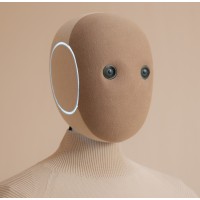
Humanoid robots are bipedal robots designed to operate in human environments, using human-like form factors and movement capabilities to perform diverse tasks. Advanced humanoid robots feature proprietary gearless actuators that provide smooth, natural movement with high torque and precision, eliminating the backlash and mechanical complexity of traditional geared systems. These robots combine physical capabilities with generative AI that enables them to understand tasks, adapt to new situations, and perform complex manipulation and locomotion.
The "Robot for All" concept represents general-purpose humanoid robots capable of performing a wide variety of tasks rather than being specialized for single applications. Generative AI enables these robots to understand natural language instructions, plan actions, and adapt to novel situations. They can navigate human environments, manipulate objects designed for human use, and work alongside people safely. Industrial applications include manufacturing, logistics, inspection, and maintenance tasks. The humanoid form factor allows these robots to use existing infrastructure designed for humans, such as stairs, doorways, and tools, making them more versatile than specialized robots. As the technology matures, humanoid robots promise to address labor shortages and perform dangerous or repetitive tasks in industrial settings.