High-Volume Cosmetic Surgery and Medical Tourism Infrastructure
Geography: Emea · Middle East · Iran
Iran has developed one of the world's most concentrated cosmetic surgery ecosystems, performing over 266,000 surgical cosmetic procedures annually according to ISAPS statistics. Rhinoplasty alone accounts for 40,702 cases per year — the highest per-capita rate globally and a procedure for which Iranian surgeons have developed distinctive techniques suited to Middle Eastern nasal anatomy. The medical tourism dimension is substantial: approximately 1.2 million patients from 164 countries visited Iran for medical procedures in 2022, drawn by costs 60-70% below Western equivalents combined with high surgical volume and specialization.
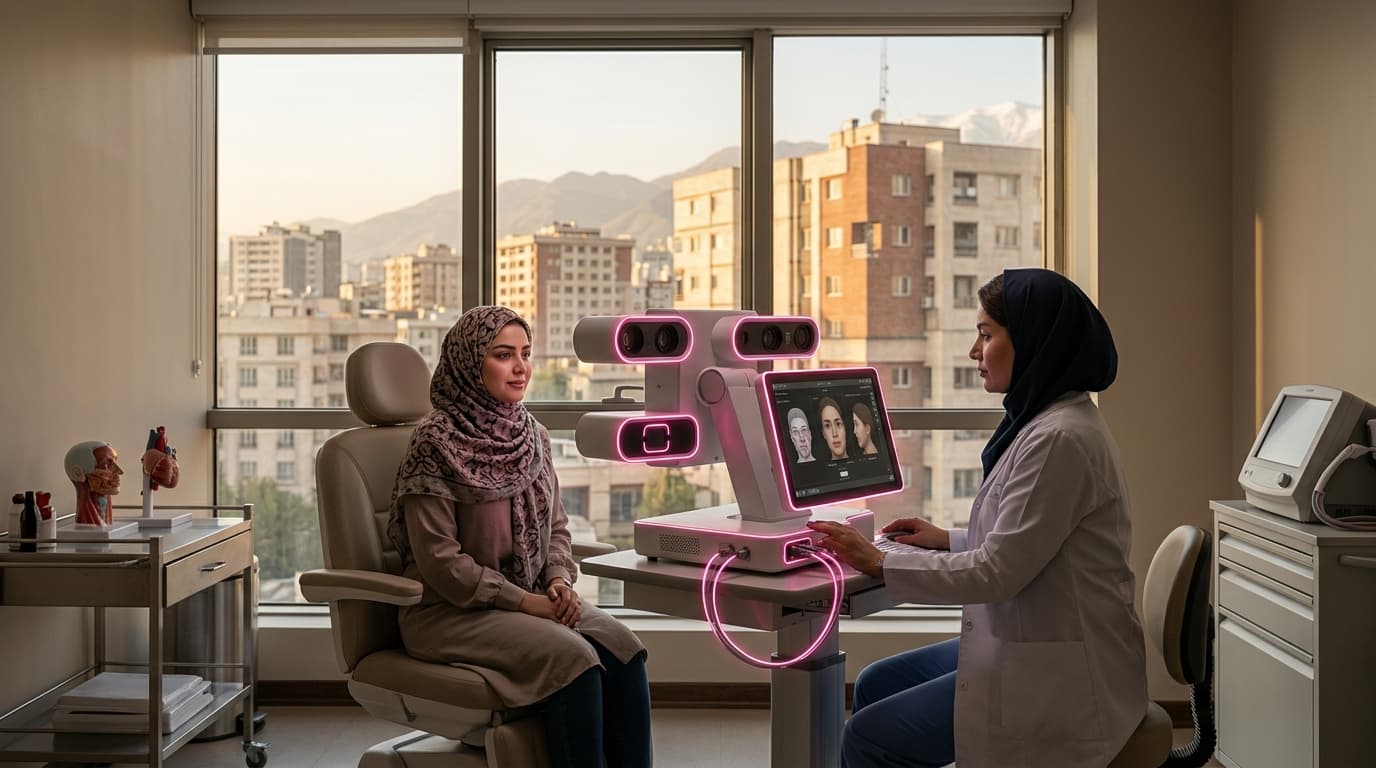
The technology dimension extends beyond individual surgical skill. Iran has built supporting infrastructure including specialized clinics with modern imaging and 3D planning systems, post-operative recovery facilities, and medical tourism coordination platforms that manage international patients from consultation through follow-up. Training programs produce a steady pipeline of surgeons who each perform hundreds of procedures annually — a volume-based expertise model similar to India's cardiac surgery advantage. The concentration of cases creates feedback loops: complications are seen and managed more frequently, technique refinements iterate faster, and training is more intensive.
The medical tourism industry represents a significant service export for Iran, generating revenue in hard currency while operating largely outside the sanctions framework (medical services are generally exempt). The sector has expanded beyond cosmetic surgery into fertility treatment, ophthalmology, orthopedics, and dental care. For a country with limited ability to export goods through conventional trade channels, medical tourism represents a services-based economic opportunity that leverages Iran's large, well-trained physician workforce and dramatically lower cost structure.
Research this in Signals
Signals turns a topic into a sourced research record you can inspect and rerun. Your first scan is free, and this one starts with High-Volume Cosmetic Surgery and Medical Tourism Infrastructure already loaded, so edit it or scan as is.