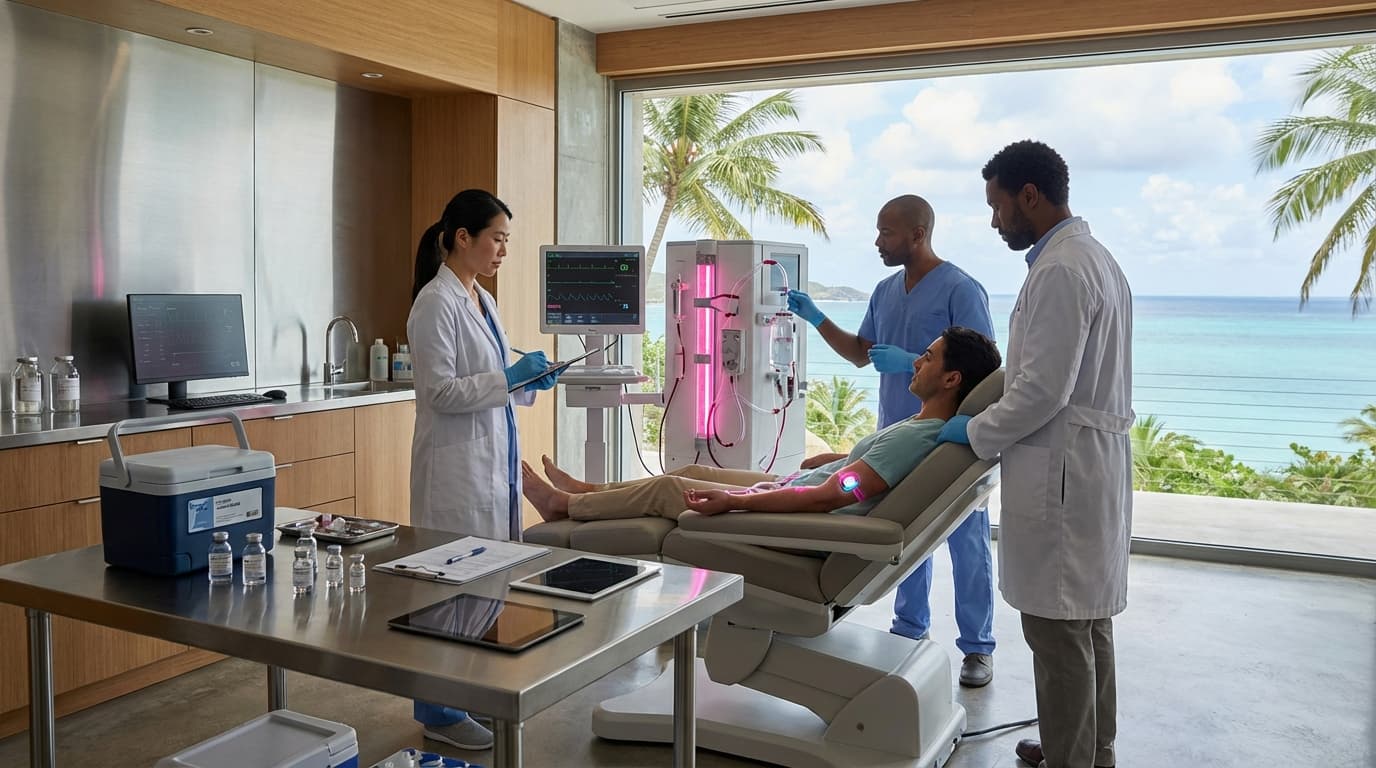
Chinese Stem Cell Tourism
Chinese stem cell tourism refers to a phenomenon where clinics in China offer experimental regenerative medicine therapies including mesenchymal stem cell (MSC) infusions, exosome therapy, and cosmetic stem cell procedures to international clients, operating with relatively lax regulatory oversight compared to Western countries. These clinics market directly to global clients seeking treatments that may not be available or approved in their home countries, creating a regulatory arbitrage situation where patients travel to access therapies with uncertain safety and efficacy. This phenomenon highlights risks associated with regulatory differences between countries and informs bioethics policy discussions worldwide about how to balance patient access with safety and evidence-based medicine.
This innovation (or more accurately, this phenomenon) addresses demand for regenerative medicine therapies, where patients seek treatments that may not be available in their home countries due to regulatory restrictions. However, it raises significant concerns about patient safety, unproven treatments, and regulatory oversight. The situation demonstrates challenges in global regulation of medical treatments.
The technology raises important questions about medical tourism, regulatory oversight, and patient safety, where differences in regulation between countries create opportunities for potentially risky treatments. As regenerative medicine advances, these issues become increasingly important. However, ensuring patient safety, preventing exploitation, and maintaining evidence-based standards remain critical challenges. The phenomenon represents a complex issue in global healthcare, where patient autonomy, safety, and regulatory oversight must be balanced. Addressing these challenges requires international cooperation and careful consideration of how to protect patients while enabling legitimate medical innovation.
Related Organizations
China · Company
A major Chinese biotechnology company that processes and provides stem cells to partner hospitals for patient treatments, historically a central figure in the stem cell tourism industry.
China · Government Agency
A special economic zone in China approved by the State Council to offer preferential policies for importing medical technology and conducting experimental treatments.
China · Company
A specialized medical center in Beijing marketing proprietary stem cell treatments for neurological disorders directly to international patients.
China · Government Agency
The Chinese agency responsible for regulating drugs and medical devices, actively working to regulate the previously 'wild west' stem cell market.
ReLife International Medical Center
China · Company
A medical facility offering Traditional Chinese Medicine (TCM) combined with stem cell therapies and gene therapies for international clients.
China Stem Cell Group
China · Company
A large entity managing cord blood banks and clinical applications in Shanghai, often involved in the supply chain for regenerative therapies.
The primary professional organization for stem cell research, which issues guidelines specifically warning patients against unproven stem cell tourism.
Supporting Evidence
Research this in Signals
Signals turns a topic into a sourced research record you can inspect and rerun. Your first scan is free, and this one starts with Chinese Stem Cell Tourism already loaded, so edit it or scan as is.