Zero trust security
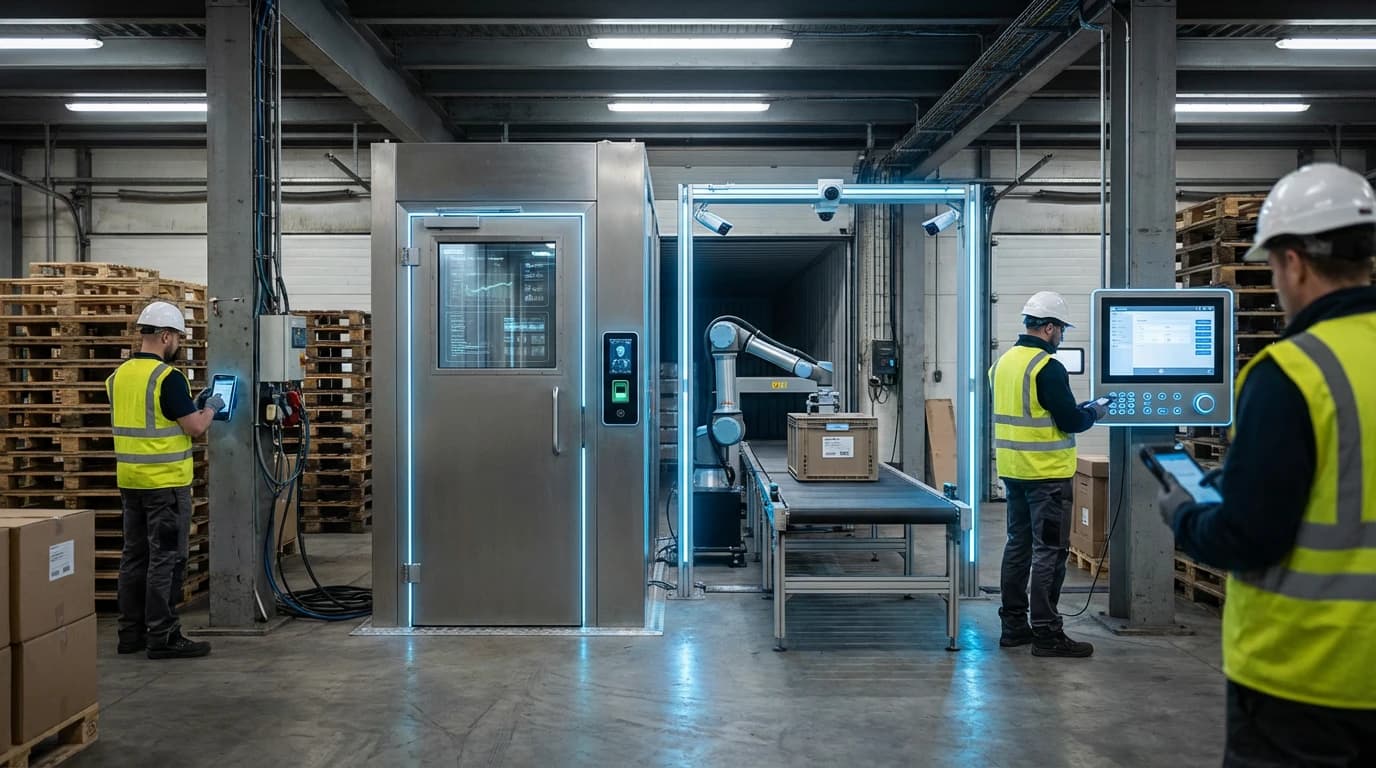
Supply Chain Zero Trust Security
Security models that assume no entity inside or outside the network is trusted by default.
The traditional perimeter-based security model, which assumes that everything inside a corporate network can be trusted, has become increasingly inadequate in modern supply chain environments. Supply Chain Zero Trust Security represents a fundamental shift in cybersecurity philosophy, operating on the principle that no user, device, or system should be automatically trusted, regardless of whether it resides inside or outside the network perimeter. This architecture implements continuous verification of identity and authorization for every access request, treating each interaction as potentially hostile until proven otherwise. The framework relies on several core mechanisms: multi-factor authentication, micro-segmentation of network resources, real-time monitoring of all traffic, and granular access controls that grant users and devices only the minimum permissions necessary to perform their specific functions. Rather than building a fortress around the network's edge, Zero Trust creates multiple checkpoints throughout the system, ensuring that even if an attacker breaches one layer, they cannot move freely to compromise other assets.
The complexity of modern supply chains, with their intricate webs of suppliers, logistics partners, manufacturers, and distribution networks, creates an exponentially larger attack surface than traditional business operations. Each connected device, from warehouse sensors to fleet management systems, represents a potential entry point for malicious actors. The integration of third-party vendors and the increasing reliance on cloud-based platforms further complicate security efforts, as organizations must extend trust to entities beyond their direct control. Supply Chain Zero Trust Security addresses these vulnerabilities by eliminating implicit trust relationships and requiring continuous authentication and authorization. This approach is particularly critical given the high-profile supply chain cyberattacks that have disrupted global commerce, where compromised credentials or vulnerable third-party software have enabled attackers to infiltrate entire networks. By implementing least-privilege access principles, organizations can contain breaches within isolated segments, preventing the lateral movement that allows attackers to escalate privileges and access sensitive data or critical systems.
Early implementations of Zero Trust frameworks in logistics and supply chain operations have demonstrated significant improvements in threat detection and incident response capabilities. Organizations are deploying these architectures to protect everything from warehouse management systems to transportation networks, ensuring that each component of the supply chain maintains its own security posture. The technology enables real-time visibility into who or what is accessing which resources, creating detailed audit trails that support both security monitoring and compliance requirements. As supply chains become increasingly digitized and interconnected, with autonomous vehicles, smart warehouses, and AI-driven logistics platforms becoming standard, the adoption of Zero Trust principles is transitioning from a best practice to a necessity. Industry analysts note that regulatory frameworks are beginning to mandate stronger security controls for critical supply chain infrastructure, further accelerating the shift toward Zero Trust architectures. This evolution reflects a broader recognition that in an era of sophisticated cyber threats and complex global networks, the assumption of trust must be replaced with continuous verification and validation.
TRL
7/9Operational
Impact
5/5
Investment
4/5
Category
Ethics Security
What was expected
Published forecasts about this technology, graded against what happened in Hindsight.
Zero-trust security and blockchain
This page is a narrower case of it.
Research this in Signals
Scan Supply Chain Zero Trust Security for yourself.
Signals turns a topic into a sourced research record you can inspect and rerun. Your first scan is free, and this one starts with Supply Chain Zero Trust Security already loaded, so edit it or scan as is.