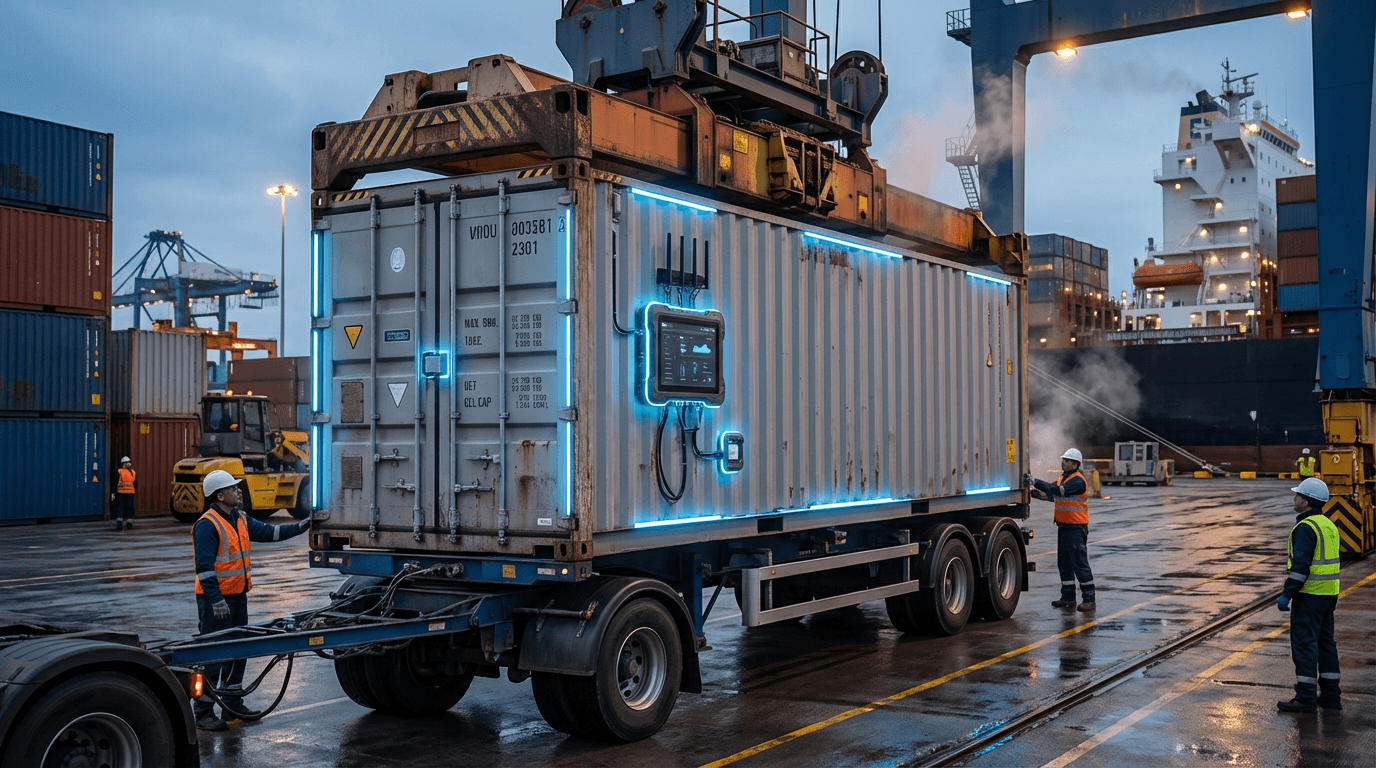
Smart Intermodal Containers
Smart intermodal containers represent a fundamental evolution in global freight infrastructure, transforming passive steel boxes into intelligent assets capable of continuous monitoring and communication. These containers integrate embedded sensor arrays, GPS modules, cellular or satellite connectivity, and onboard power systems directly into their structural framework. The sensor suite typically monitors multiple environmental parameters including internal temperature, humidity levels, atmospheric pressure, light exposure, shock events, and door opening/closing cycles. Advanced implementations may include multi-zone temperature sensing for mixed cargo loads, accelerometers to detect handling impacts, and even atmospheric composition sensors for specialized shipments. The data collected flows through IoT communication protocols to cloud-based platforms, creating a persistent digital thread that follows each container throughout its journey across ocean vessels, rail networks, and truck transport.
The traditional opacity of containerized shipping has long plagued supply chain managers, particularly for temperature-sensitive pharmaceuticals, perishable foods, and high-value electronics. Without real-time visibility, cargo damage often goes undetected until containers reach their final destination, making it impossible to identify when and where spoilage or mishandling occurred. Smart containers address this fundamental gap by enabling proactive intervention rather than reactive damage assessment. When a refrigerated pharmaceutical shipment experiences temperature excursion during a port transfer, logistics managers can immediately reroute the container for inspection or adjust downstream handling procedures. This capability proves especially valuable for cold chain integrity, where even brief temperature deviations can render vaccines or biologics unusable. Beyond loss prevention, these systems generate unprecedented data on actual shipping conditions, allowing companies to optimize packaging specifications, challenge excessive insurance premiums with evidence-based risk profiles, and provide customers with verifiable proof of proper handling.
Major shipping lines and logistics providers have begun deploying smart container fleets, with early adopters focusing on high-value and temperature-controlled segments where the return on investment justifies the additional hardware costs. The technology has proven particularly valuable for pharmaceutical distribution, where regulatory requirements increasingly demand end-to-end temperature documentation. Fresh produce exporters similarly benefit from the ability to demonstrate unbroken cold chains to quality-conscious importers. As sensor costs decline and connectivity infrastructure expands, industry analysts anticipate broader adoption across general cargo segments. The integration of smart containers with broader supply chain visibility platforms creates new possibilities for predictive logistics, where AI algorithms analyze historical container telemetry to forecast delays, optimize routing decisions, and automatically trigger exception handling workflows. This evolution aligns with larger industry movements toward digital supply chains and autonomous logistics operations, positioning smart containers as foundational infrastructure for the next generation of global trade networks.
Related Organizations

A nonprofit established by major ocean carriers to set IT and digital standards for the container shipping industry.

Develops zero-maintenance IoT sensors and analytics for railcars and intermodal shipping containers.

Provides high-value data services for the supply chain industry by attaching IoT devices to dry and reefer containers.

Designs and manufactures next-generation composite shipping containers with embedded IoT sensors for real-time visibility.

Hapag-Lloyd
Germany · Company
One of the world's leading liner shipping companies, currently rolling out real-time tracking across its entire container fleet.

A global provider of industrial Internet of Things (IoT) and Machine-to-Machine (M2M) communication solutions.

Specializes in supply chain visibility and sensor-based monitoring for reefer containers and cold chain logistics.

CMA CGM
France · Company
A global player in sea, land, air, and logistics solutions, and a primary investor in smart container tech.

Partners with smaller shipping companies to convert their entire container fleets into smart containers (the 'Contopia' vision).

A global technology and engineering company whose Cargo Solutions division produces real-time trackers (GO loggers).
Supporting Evidence
Research this in Signals
Signals turns a topic into a sourced research record you can inspect and rerun. Your first scan is free, and this one starts with Smart Intermodal Containers already loaded, so edit it or scan as is.