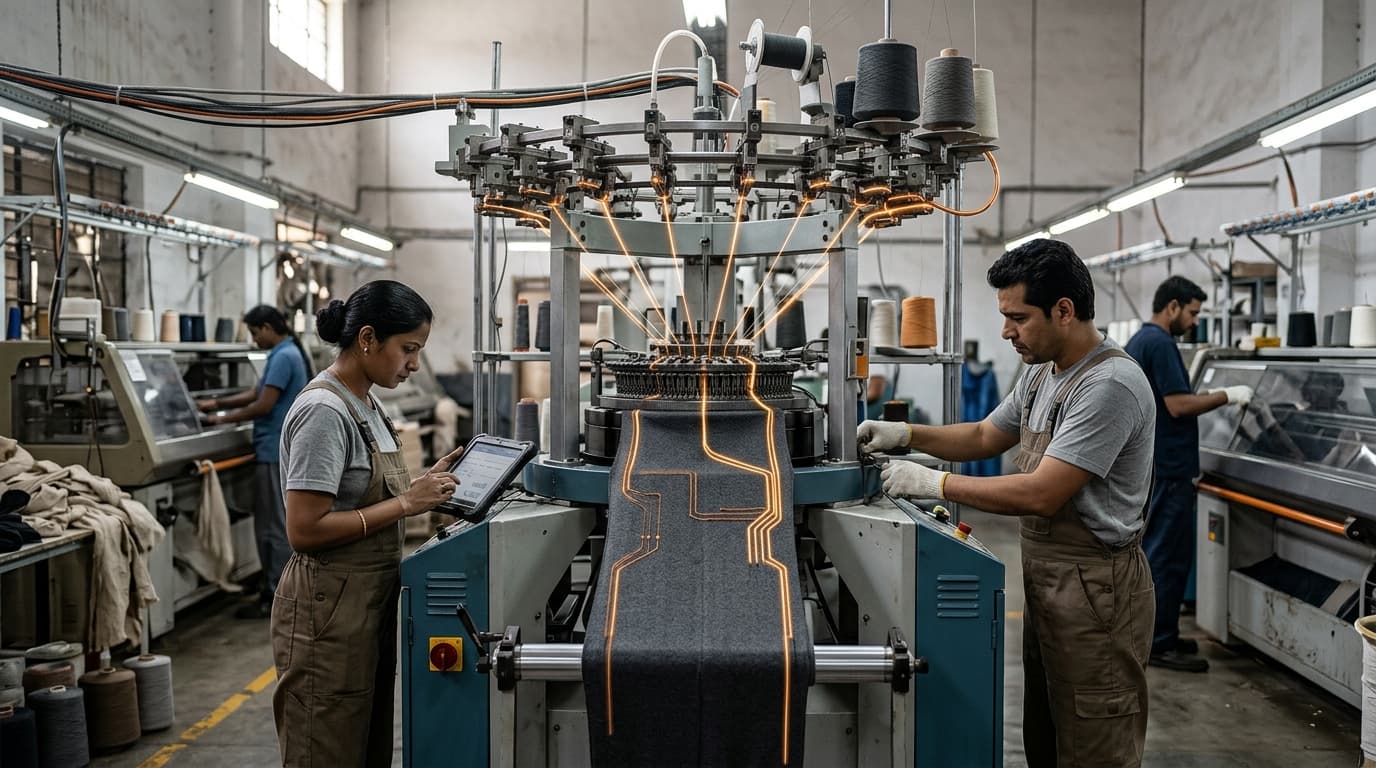
Conductive Polymers
Polymers that conduct electricity for flexible electronics, sensors, and lightweight wiring
Conductive polymers exhibit electrical conductivity through conjugated pi-electron systems. Polyaniline, polypyrrole, PEDOT, and others enable flexible, lightweight conductive materials. Applications include organic solar cells, antistatic materials, sensors, and lightweight wires. Research, experiments, and prototypes; limited commercialization. Challenges include stability, processability, and conductivity compared to metals. Research continues into improved formulations and integration with flexible electronics.
TRL
5/9Validated
Impact
4/5
Investment
4/5
Category
Materials
Research this in Signals
Scan Conductive Polymers for yourself.
Signals turns a topic into a sourced research record you can inspect and rerun. Your first scan is free, and this one starts with Conductive Polymers already loaded, so edit it or scan as is.