Immersive Metaverse Dating
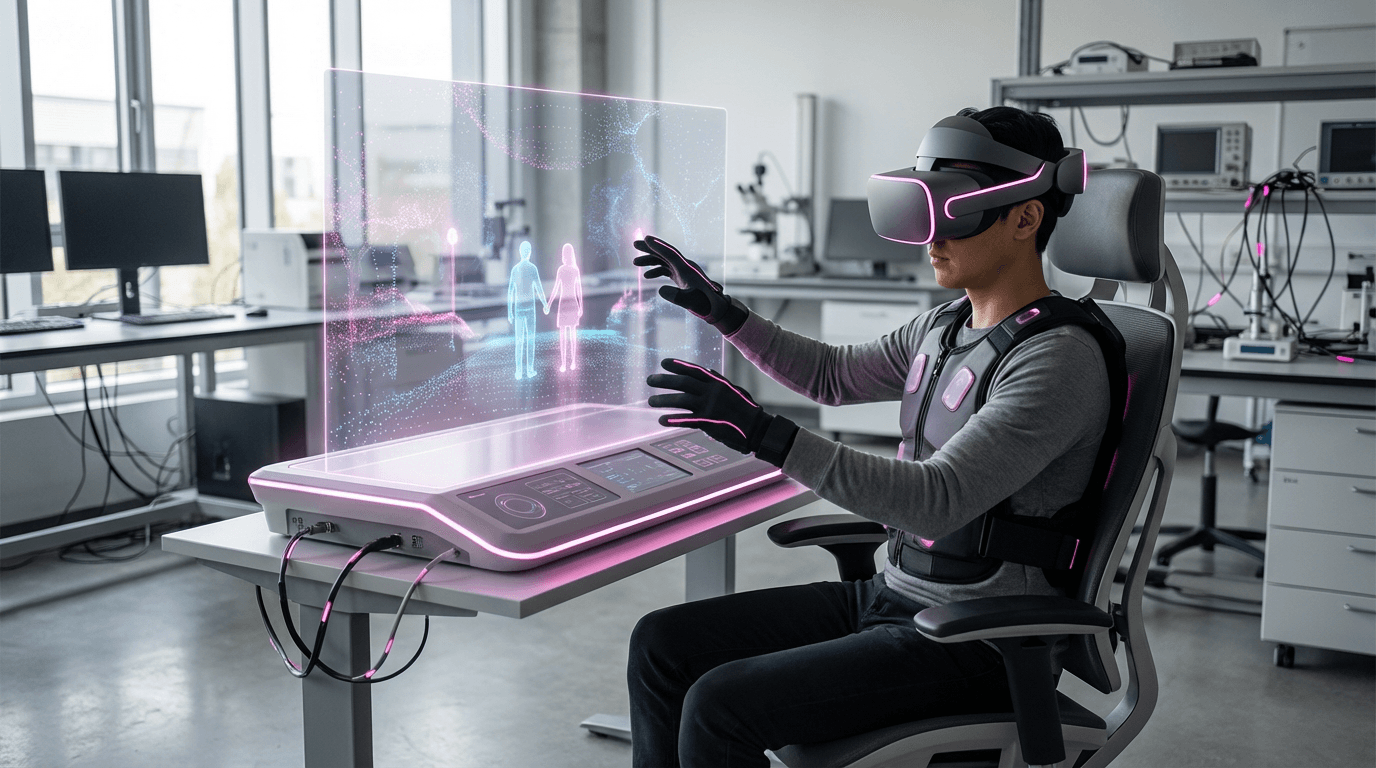
Immersive Metaverse Dating represents a significant evolution in how people form romantic connections in digital spaces. Unlike traditional online dating platforms that rely on static profiles and text-based messaging, these virtual reality environments create three-dimensional social spaces where users interact through customizable avatars equipped with sophisticated motion tracking capabilities. The technology combines head-mounted displays with hand controllers and, in more advanced implementations, full-body tracking systems that capture gestures, posture, and movement patterns. Spatial audio processing ensures that voices appear to originate from the correct direction and distance, while haptic feedback devices can simulate the sensation of touch through vibrations and pressure. The underlying architecture typically runs on cloud-based servers that synchronize avatar positions, animations, and environmental changes in real-time, creating a shared experience that feels remarkably present despite the physical separation of participants.
The fundamental challenge these platforms address is the emotional disconnect inherent in conventional online dating, where the absence of non-verbal communication and physical presence often makes it difficult to establish genuine rapport. Research suggests that up to 93% of communication effectiveness stems from non-verbal cues—body language, facial expressions, and tone of voice—elements that text messages and even video calls struggle to fully convey. Immersive metaverse dating environments restore many of these crucial social signals through avatar embodiment, allowing users to lean in during conversation, make eye contact, or share personal space in ways that feel surprisingly natural. This technology also removes certain barriers to connection, enabling people with mobility limitations, social anxiety, or geographic constraints to engage in dating experiences that might otherwise be inaccessible. Furthermore, these platforms can offer creative date scenarios impossible in physical reality, from exploring fantastical landscapes to attending virtual concerts, providing shared experiences that serve as relationship-building activities.
Early deployments of immersive dating platforms have emerged from both established VR social networks and specialized dating services, with some platforms reporting user sessions averaging significantly longer than traditional dating app interactions. Current applications range from structured speed-dating events in virtual venues to open-world environments where users can encounter potential matches organically while participating in activities like virtual mini-golf, art galleries, or cooking classes. Industry analysts note growing interest from younger demographics who have grown up with gaming and virtual worlds, viewing avatar-based interaction as a natural extension of their social lives. As VR hardware becomes more affordable and wireless headsets improve in comfort and visual fidelity, these platforms are positioned to play an increasingly significant role in how relationships begin, particularly as remote work and digital-first lifestyles continue to reshape social patterns. The technology also connects to broader trends in the metaverse economy, where virtual goods, customizable environments, and digital identity expression create new dimensions of self-presentation and courtship rituals that blend the familiar dynamics of dating with the novel possibilities of immersive technology.
Related Organizations

A dating platform that connects VR users for dates in VRChat and other social platforms.

A dating app specifically designed for VR enthusiasts to match based on avatar identity and meet in the metaverse.

Planet Theta
United States · Startup
A standalone VR dating platform featuring virtual bars, cinemas, and enchanted forests for dates.

Holding company for Hinge, Match, and Hawaya (Muslim marriage app).

Social VR platform with an advanced Inverse Kinematics (IK) system supporting full-body tracking.

The original metaverse platform, which maintains a massive, active economy of dating, weddings, and romantic roleplay.

A relationship training app that has explored digital tools for connection.
Supporting Evidence
Research this in Signals
Signals turns a topic into a sourced research record you can inspect and rerun. Your first scan is free, and this one starts with Immersive Metaverse Dating already loaded, so edit it or scan as is.