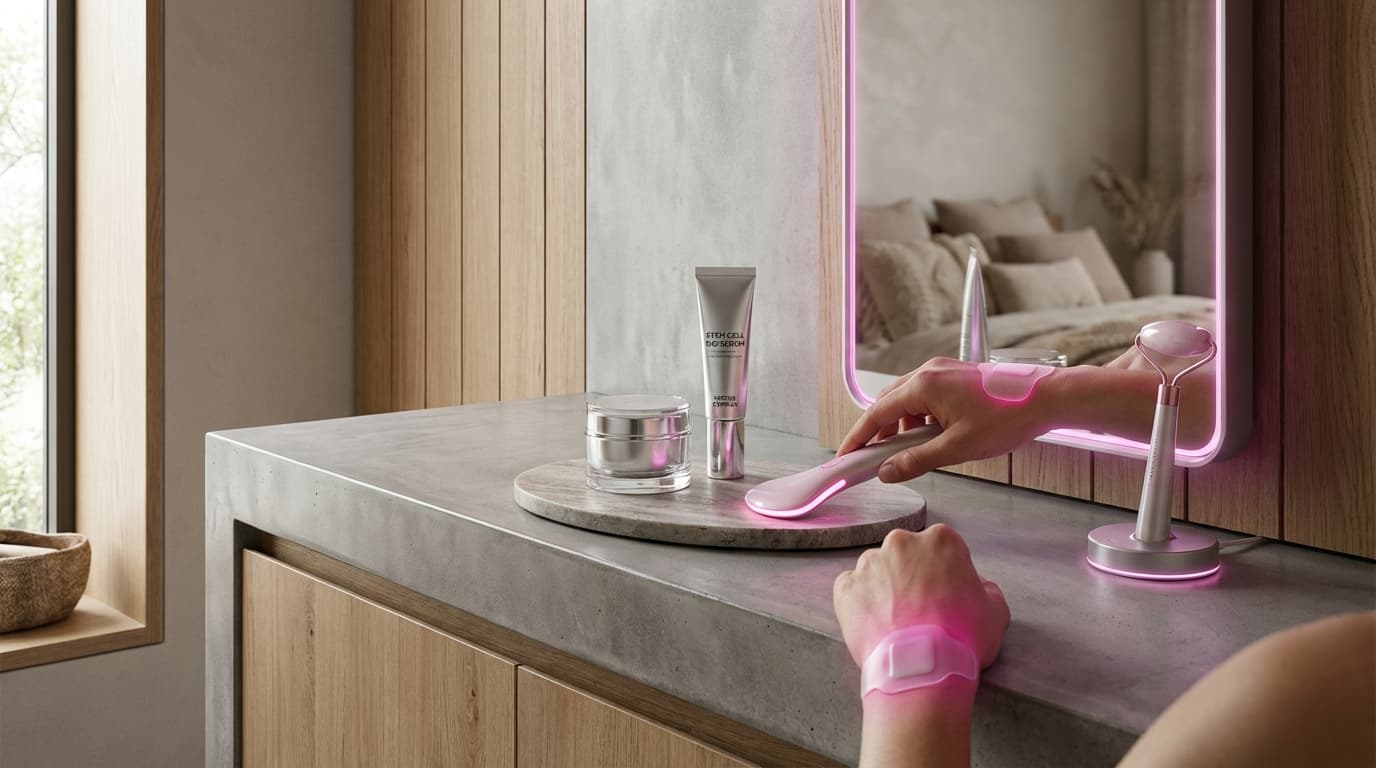
Stem Cell Cosmetics
Stem cell cosmetics use conditioned media (the nutrient-rich liquid in which stem cells are cultured) or extracts from lab-grown stem cells—either human-derived or plant-based—to deliver growth factors, cytokines, exosomes, and other bioactive molecules that can stimulate skin repair, reduce inflammation, and promote cellular rejuvenation. These products harness the regenerative signaling molecules that stem cells naturally produce, capturing them in formulations that can be applied topically. Plant stem cell extracts, often from rare or resilient plants, are also used for their antioxidant and protective properties, while human stem cell-derived products focus on growth factors and signaling molecules that can enhance skin repair and regeneration.
This innovation addresses the growing interest in regenerative approaches to skincare, where harnessing the body's natural repair mechanisms could provide more effective anti-aging and skin health benefits. By using stem cell-derived factors, these products can deliver complex, coordinated signals that are difficult to replicate with synthetic compounds. Companies like various regenerative medicine and cosmetic companies are developing these products, with some stem cell cosmetics already available in the market, though regulatory frameworks vary by region.
The technology is particularly significant for advanced anti-aging skincare, where stem cell-derived factors could provide more comprehensive regenerative benefits than single-ingredient formulations. As stem cell science advances and manufacturing scales, these products could become more accessible and effective. However, ensuring product quality, managing regulatory requirements, establishing clear evidence of efficacy, and addressing ethical concerns about stem cell sourcing remain challenges. The technology represents an exciting direction for regenerative skincare, but requires careful regulation and validation to ensure safety and effectiveness.
Related Organizations
Switzerland · Company
Creator of PhytoCellTec™, a technology enabling the cultivation of plant stem cells (e.g., Swiss Apple) for cosmetics.
Singapore · Company
Uses patented umbilical cord lining stem cell technology (red deer) to create growth-factor rich cosmeceuticals.
United States · Company
Produces skincare and clinical products based on bone marrow stem cell cytokines and growth factors.
United States · Company
Allergan-owned brand famous for TNS Essential Serum, containing human fibroblast conditioned media (growth factors).
CHA Bio Group
South Korea · Company
A global leader in stem cell research and bio-aesthetics, developing stem cell media for cosmetic applications.
United States · Company
Utilizes S²RM® technology (Stem Cell Released Molecules) to deliver exosomes and growth factors to the skin.
United States · Company
Formulates products with ethically derived human stem cell growth factors to fight signs of aging.
Japan · Company
Japanese pharmaceutical giant conducting extensive research on regenerative medicine and stem cell culture supernatants for skincare.
United States · Company
Professional skincare brand utilizing 'Vectorize Technology' to deliver plant stem cell extracts deep into the skin.
Supporting Evidence
Research this in Signals
Signals turns a topic into a sourced research record you can inspect and rerun. Your first scan is free, and this one starts with Stem Cell Cosmetics already loaded, so edit it or scan as is.