Social Avatar Sync
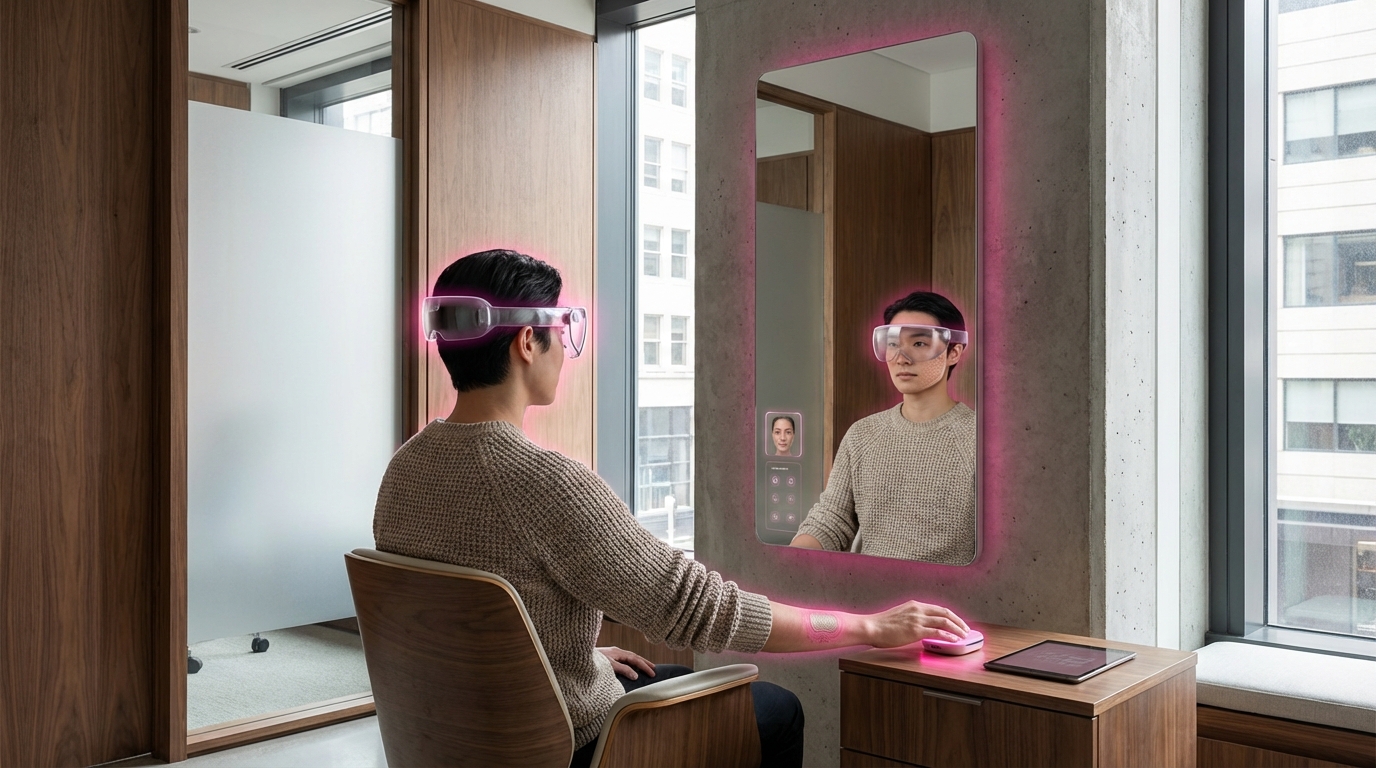
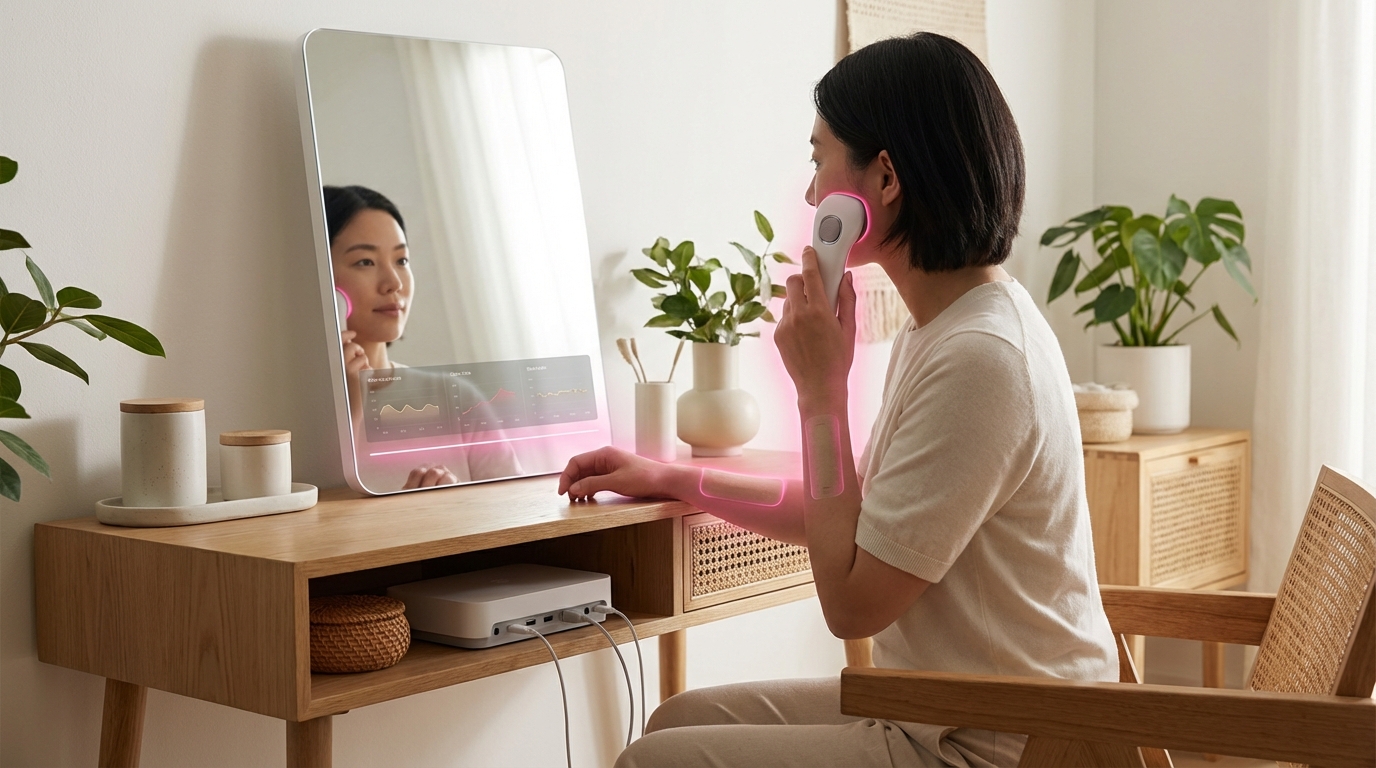
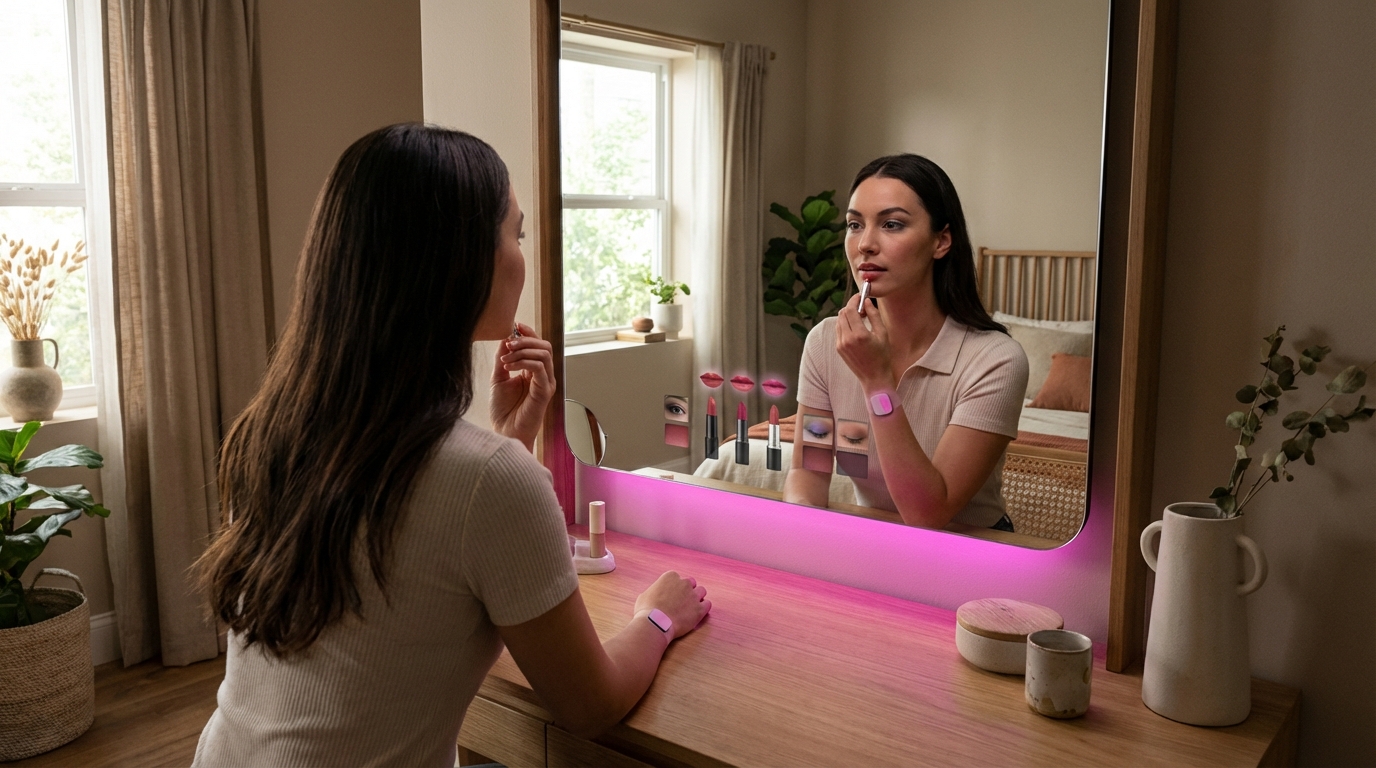
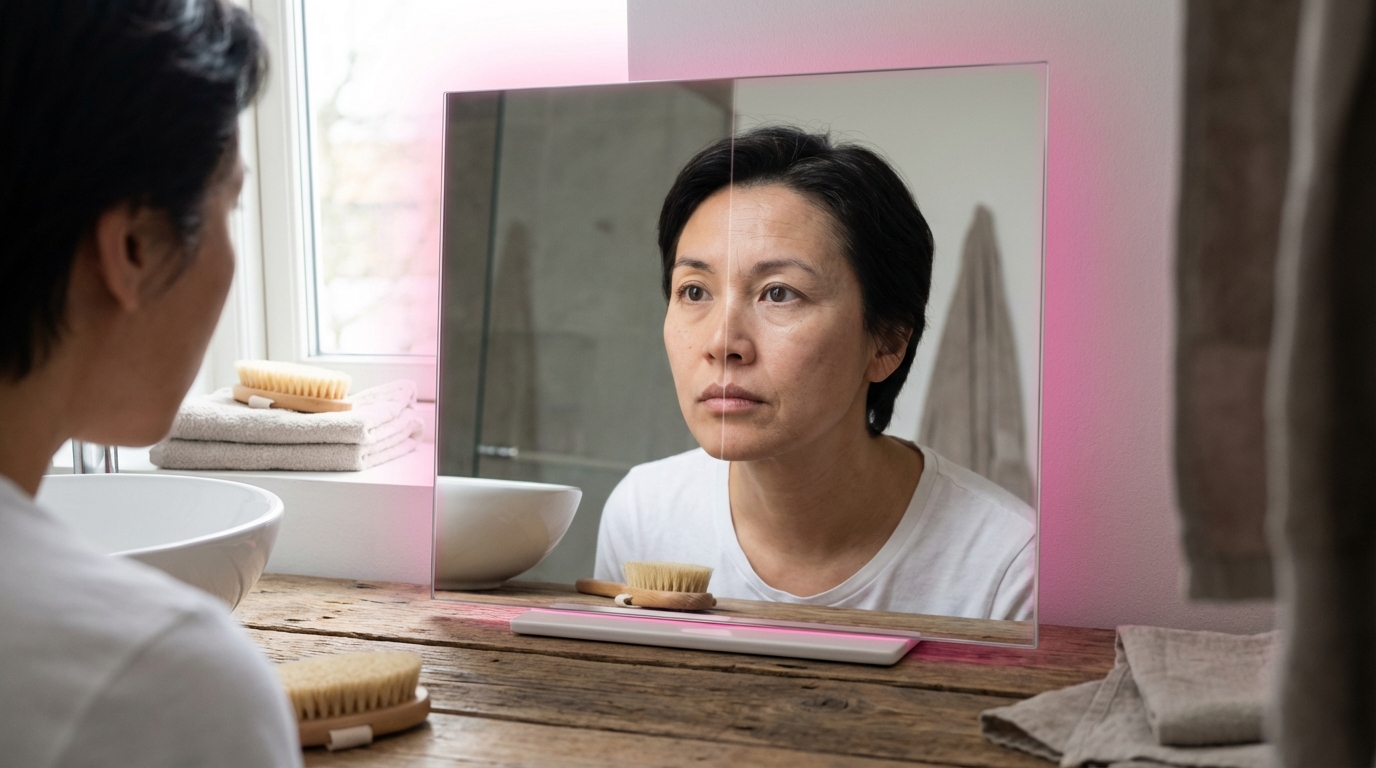
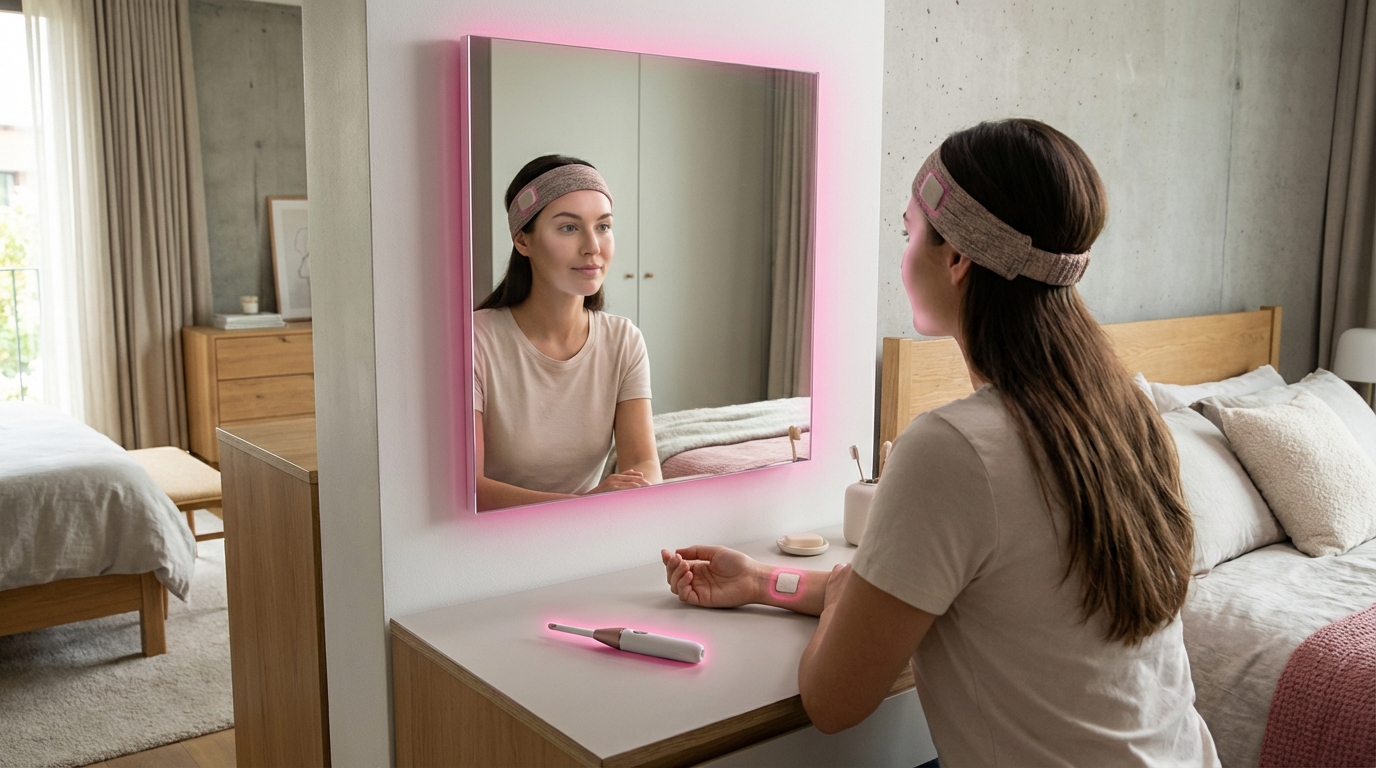
Social avatar sync platforms create service layers that coordinate digital appearance—AR filters, virtual avatars, social media presets, and online representations—with real-world aesthetic interventions, treatments, and styling choices. These systems recognize that in an increasingly digital world, people maintain both physical and digital identities, and that misalignment between how someone looks online versus offline can create psychological discomfort and social challenges. By treating digital and physical expression as a unified design space, these platforms help individuals create cohesive identities across all contexts, ensuring that aesthetic choices, treatments, and styling work together to create consistent self-presentation whether in person, on video calls, or in virtual environments.
This innovation addresses the growing challenge of identity coherence in digital and physical spaces, where people may use filters or digital enhancements that don't match their real appearance, creating potential psychological and social issues. By coordinating digital and physical aesthetics, these platforms can help individuals create authentic, consistent identities. Companies developing these capabilities include various beauty tech platforms, AR filter creators, and identity management services, with some already offering coordinated digital-physical beauty services.
The technology is particularly significant for the future of identity and self-expression, where digital and physical appearances are increasingly interconnected. As virtual and augmented reality become more prevalent, coordinating digital and physical aesthetics could become essential. However, managing privacy, avoiding unrealistic expectations, ensuring authenticity, and preventing over-reliance on digital enhancement remain important considerations. The technology represents an important evolution in how we think about identity and appearance, but requires careful implementation to support healthy self-expression rather than creating new pressures or dysmorphia.
Related Organizations
Switzerland · Company
A leader in 3D aesthetic simulation, allowing patients to visualize surgical results using VR and 3D modeling.
Canada · Company
An AR beauty technology provider acquired by L'Oréal to power virtual try-ons across the group's portfolio and partners like Amazon.
Taiwan · Company
Developer of the YouCam suite and AgileHand technology, providing enterprise-grade AR try-on solutions for makeup, nails, watches, and jewelry.

Social media and camera company developing AR spectacles.
United States · Company
The industry standard for skin imaging systems (VISIA), providing the high-fidelity data required to build accurate digital skin twins.
China · Company
Chinese technology company known for its beauty apps that heavily influence aesthetic standards and offer virtual makeup and plastic surgery simulation.

A cross-game avatar platform allowing users to create a single 3D persona usable in thousands of compatible apps.
Estonia · Startup
A leader in generative AI for skincare, creating predictive models that simulate skin aging and the effects of products over time.
Finland · Startup
Provides a Digital Health-Beauty-Wellness Platform that combines AI skin analysis with AR try-on capabilities for retailers.
South Korea · Company
Manufacturer of advanced skin and hair diagnostic devices that utilize optical technology and AI for home and clinic use.