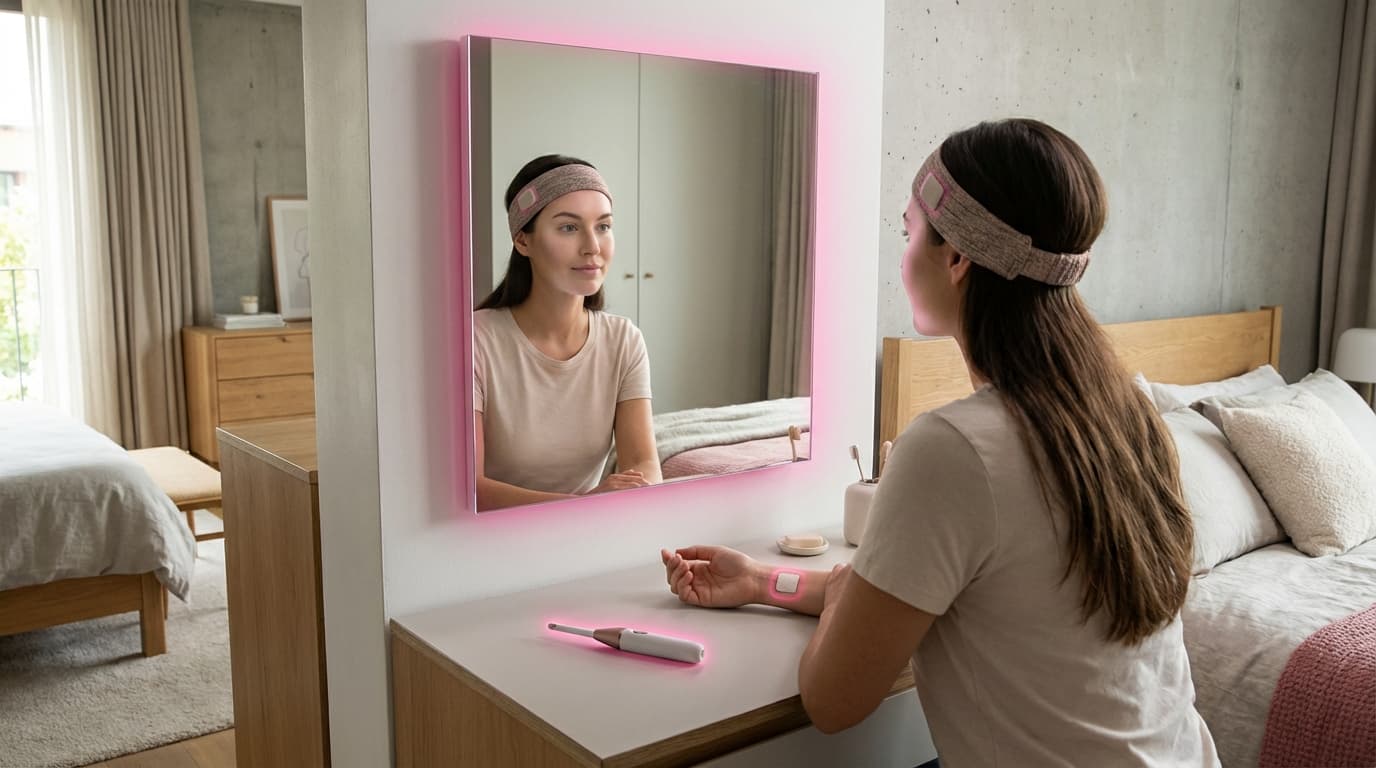
Manipulation & Appearance Pressure
The manipulation and appearance pressure framework addresses concerns about how AI-driven beauty and aesthetic coaching systems may create unrealistic perfection loops, where algorithms continuously identify new 'imperfections' or suggest additional enhancements, potentially nudging users toward extreme or unnecessary procedures. These systems, while designed to help users achieve their aesthetic goals, may exploit psychological vulnerabilities, capitalize on appearance anxiety, or create dependency by constantly suggesting improvements. The framework examines how AI systems can be designed to support healthy self-image and realistic goals rather than perpetuating unrealistic beauty standards or creating pressure for constant enhancement.
This ethical framework addresses the potential for AI systems to exacerbate appearance-based social pressure and contribute to body dysmorphia, where algorithmic recommendations may create or amplify insecurities rather than supporting healthy self-image. By establishing guidelines for responsible AI design, these frameworks can help ensure that beauty technologies support well-being rather than exploitation. Researchers, ethicists, and industry groups are exploring these issues, with growing recognition of the need for ethical AI design in beauty and aesthetics.
The framework is particularly significant as AI becomes more prevalent in beauty and aesthetic applications, where understanding and mitigating potential harms could prevent negative psychological and social consequences. As these technologies advance, establishing ethical guidelines for AI design could become essential for protecting user well-being. However, defining what constitutes manipulation versus helpful guidance, balancing individual autonomy with protection, and ensuring industry adoption of ethical standards remain challenges. The framework represents an important area of ethical inquiry, but requires ongoing development and industry commitment to responsible design.
Related Organizations
United Kingdom · Company
Personal care brand running the 'Self-Esteem Project' and campaigns like 'No Digital Distortion' to combat AI/filter-induced appearance pressure.

A non-profit dedicated to radically reimagining the digital infrastructure to align with human well-being and overcome toxic polarization.

An independent body that examines ethical issues in biology and medicine, actively publishing on the ethics of artificial wombs.

An organization that combines art and research to illuminate the social implications and harms of AI systems.

Offers 'Try On for Beauty' features, allowing users to virtually test eyeshadow and lipstick from partner brands using Lens technology.
Australia · Nonprofit
Australian charity for eating disorders and body image issues, actively campaigning against social media algorithms that promote unrealistic beauty standards.


Social media and camera company developing AR spectacles.
Supporting Evidence
Research this in Signals
Signals turns a topic into a sourced research record you can inspect and rerun. Your first scan is free, and this one starts with Manipulation & Appearance Pressure already loaded, so edit it or scan as is.