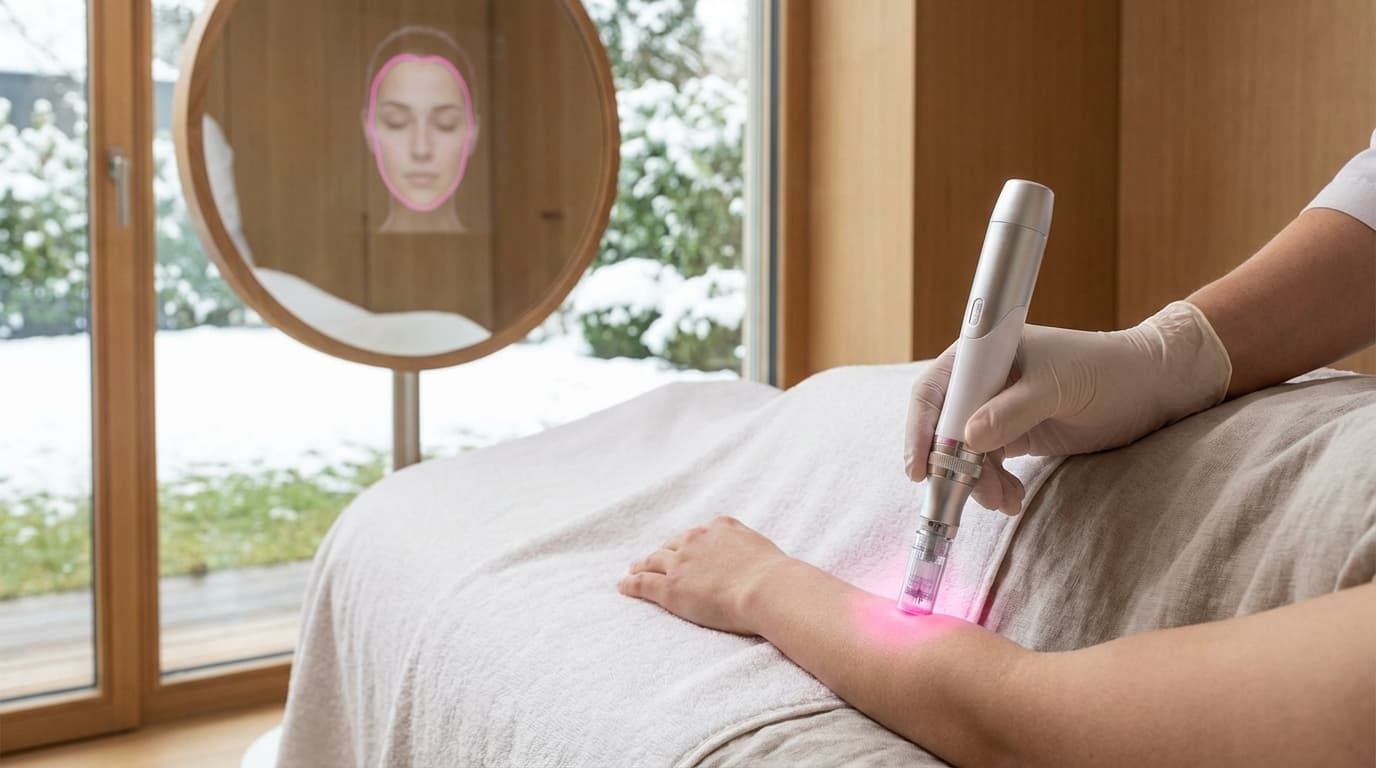
Microneedling Devices
Robotic microneedling devices use motorized pens or stamping mechanisms with arrays of fine needles (typically 0.5-2.5mm) that create controlled micro-injuries in the skin, triggering the body's natural wound-healing response and stimulating collagen and elastin production. Advanced systems feature adjustable needle depth, radiofrequency (RF) energy coupling for enhanced results, disposable sterile tips to prevent cross-contamination, and pressure sensors that ensure consistent penetration depth across different skin types and body areas. Automation eliminates the variability of manual techniques, ensuring uniform treatment coverage and reducing the risk of over-treatment or missed areas.
This innovation addresses the inconsistency and skill requirements of manual microneedling, where practitioner technique significantly affects outcomes and safety. By automating the process, these devices enable reproducible results across different operators and settings, making professional-quality collagen induction therapy accessible in both clinical and home environments. Companies like Dermapen, SkinPen, and various medical device manufacturers have developed FDA-cleared systems, with clinical evidence supporting improvements in fine lines, acne scars, and overall skin texture when used in appropriate protocols.
The technology is particularly significant for at-home aesthetic treatments, where consumers seek effective alternatives to expensive in-office procedures. As devices become more sophisticated and affordable, automated microneedling could become a standard component of home skincare routines. However, ensuring proper training, managing infection risks, and setting realistic expectations remain important considerations. The technology represents a bridge between professional treatments and consumer devices, but requires careful use and adherence to safety protocols to achieve optimal results.
Related Organizations
United States · Company
Manufacturer of SkinPen, the first FDA-cleared microneedling device.
Australia · Company
Creators of the original Dermapen and subsequent iterations (Dermapen 4), widely used globally for collagen induction therapy.

A major aesthetic device manufacturer offering the Potenza RF microneedling system and TempSure RF platform.

A leading provider of medical technologies, famous for the Morpheus8 platform which combines microneedling with fractional RF.
United States · Company
Consumer-facing brand known for the GloPRO, a patented at-home microneedling tool with LED light therapy.
United States · Company
Manufacturer of the Secret RF and Secret PRO systems, combining fractional CO2 and RF microneedling.
Israel · Company
Specializes in 3DEEP RF technology, a multi-source, phase-controlled radiofrequency energy source.
South Korea · Company
Manufacturer of Sylfirm X, a dual-wave RF microneedling system targeting both skin rejuvenation and vascular pigmentation.
Supporting Evidence
Research this in Signals
Signals turns a topic into a sourced research record you can inspect and rerun. Your first scan is free, and this one starts with Microneedling Devices already loaded, so edit it or scan as is.