Cross-Border Aesthetic Governance
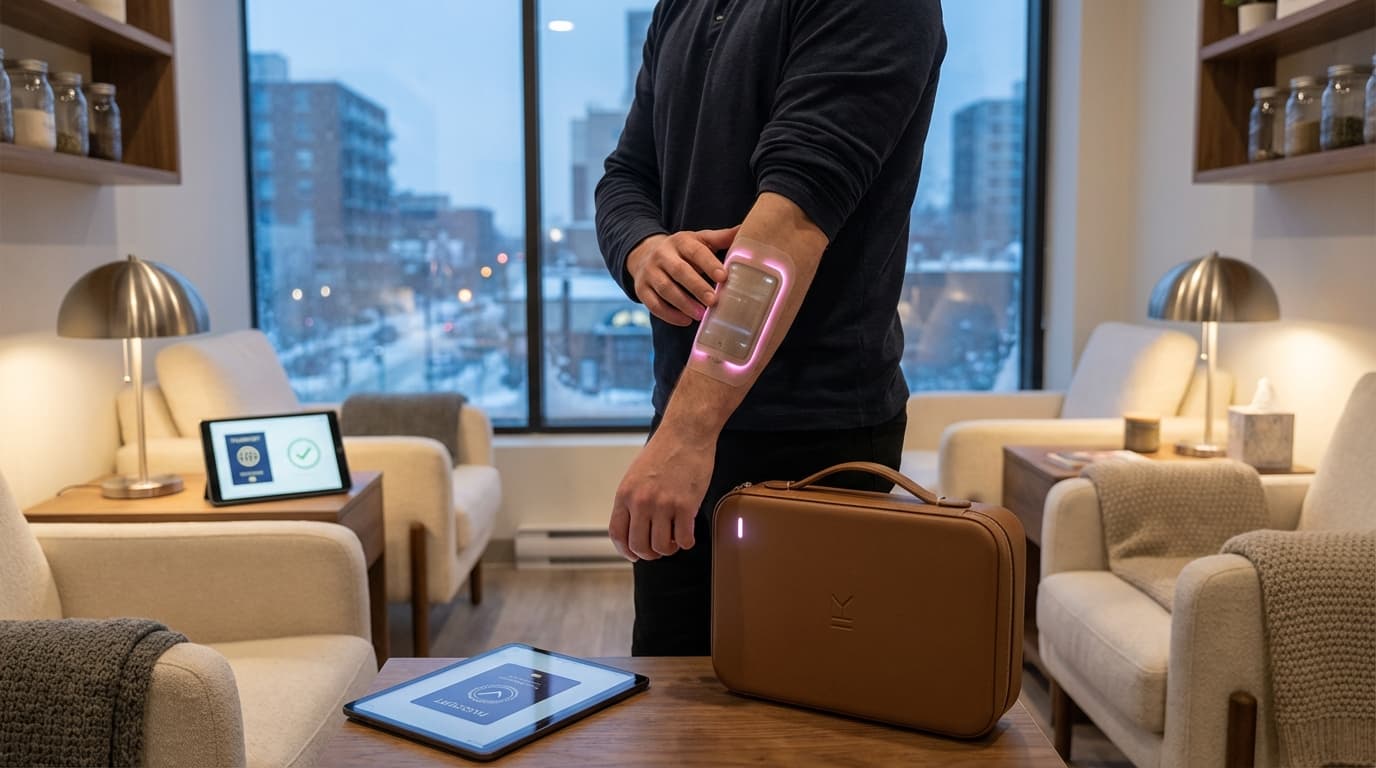
Cross-border aesthetic governance frameworks address the complex regulatory and ethical challenges that arise when individuals travel across borders to access aesthetic procedures, enhancement technologies, or treatments that may be unavailable, restricted, or more expensive in their home countries. This phenomenon, sometimes called 'aesthetic tourism' or 'enhancement travel,' raises questions about follow-up care, medical jurisdiction, liability, quality standards, and which regulatory norms should apply to procedures that permanently or significantly alter bodies and faces. These frameworks aim to ensure patient safety, quality of care, and appropriate oversight while respecting individual autonomy and the reality of global healthcare markets.
This framework addresses the growing phenomenon of cross-border aesthetic and enhancement procedures, where regulatory differences between countries create opportunities and risks. By developing governance approaches, these frameworks can protect individuals while managing the complexities of international healthcare. Regulatory bodies, medical associations, and international health organizations are exploring these issues, with ongoing efforts to harmonize standards and improve cross-border care coordination.
The framework is particularly significant as aesthetic and enhancement technologies become more globally accessible, where understanding and managing cross-border procedures could protect individuals and ensure quality care. As these technologies advance, developing effective governance approaches could become essential for patient safety and regulatory coherence. However, managing regulatory differences, ensuring follow-up care, coordinating across jurisdictions, and balancing access with safety remain challenges. The framework represents an important area of international health governance, but requires ongoing development and international cooperation to be effective.
Related Organizations
United States · Nonprofit
The world's leading professional body for board-certified aesthetic plastic surgeons.
Joint Commission International (JCI)
United States · Nonprofit
Accredits and certifies health care organizations and programs worldwide.
Germany · Company
Accreditation body specifically focused on medical tourism and international patient management.
United Kingdom · Nonprofit
Organization representing aesthetic plastic surgeons in the UK.
Turkey · Government Agency
Government ministry overseeing healthcare in Turkey.
United States · Nonprofit
The largest plastic surgery specialty organization in the world.
South Korea · Government Agency
South Korean government agency promoting the healthcare industry.
United States · Government Agency
US national public health agency.
United Arab Emirates · Government Agency
Government body regulating the health sector in Dubai.
United Kingdom · Company
B2B publication and analysis platform for the medical travel sector.
Supporting Evidence
Research this in Signals
Signals turns a topic into a sourced research record you can inspect and rerun. Your first scan is free, and this one starts with Cross-Border Aesthetic Governance already loaded, so edit it or scan as is.