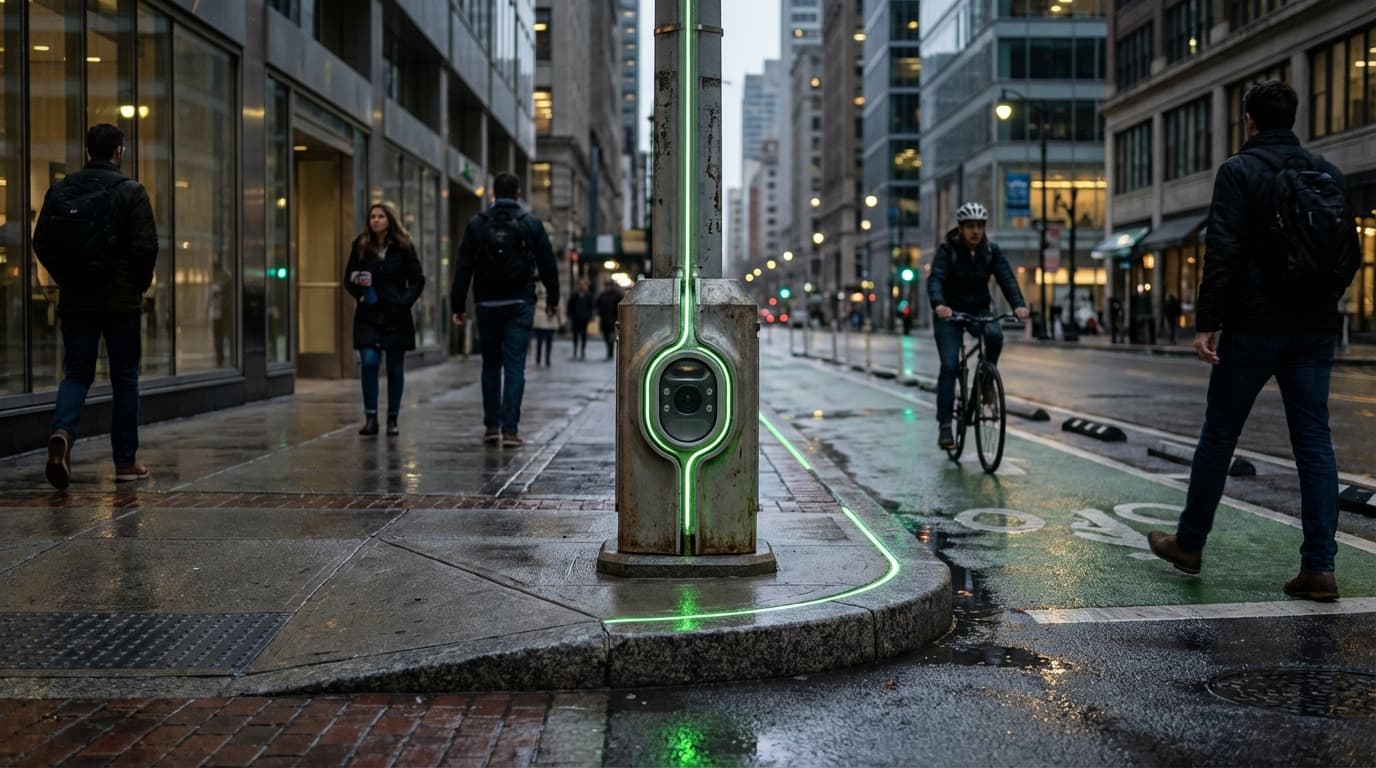
Data Governance for Hyperlocal Exposure and Mobility
Hyperlocal exposure models rely on phone signals, transit cards, wearables, and environmental sensors to understand who experiences heat, pollution, or flooding. Governance frameworks establish consent standards, differential privacy techniques, and community ownership so datasets cannot be weaponized for surveillance or redlining. Data cooperatives let residents decide how insights are shared with planners, insurers, or researchers, while fiduciary data stewards enforce purpose limitations.
Cities deploy mobility and exposure data to target cooling centers, adjust bus routes, or prioritize tree planting in hotter neighborhoods. Health systems monitor asthma hotspots in real time, and employers adjust shift schedules during extreme heat. Yet without guardrails, the same data could enable discriminatory policing or exploit gig workers. Governance models therefore require algorithmic audits, data minimization, and opt-out pathways, plus redress mechanisms if harms occur.
This field is TRL 3–4. Pilot projects in Barcelona, Los Angeles, and Lagos show how civic tech alliances can balance utility and privacy. Standards bodies and regulators (OECD, EU AI Act, US NTIA) are drafting rules for sensitive mobility data. Embedding ethics from the outset ensures hyperlocal intelligence improves resilience without deepening inequities.
Related Organizations

Research institution focusing on the intersection of technology and society, specifically advocating for data stewardship and community data rights.

Works with companies and governments to build an open, trustworthy data ecosystem, pioneering concepts like Data Trusts.

Pioneering city government known for its digital sovereignty strategy and the DECODE project, giving citizens control over their IoT data.

Based at NYU Tandon School of Engineering, it studies how to improve governance using data, including 'Data Collaboratives' for environmental insights.

UK innovation accelerator for cities, transport, and place leadership, setting standards for digital twins and urban data.

Data & Society
United States · Research Lab
Research institute focused on the social and cultural issues arising from data-centric technological development.

A non-profit organization that advocates for a healthy internet and conducts 'Trustworthy AI' research.

A nonprofit that aggregates and harmonizes open air quality data from across the globe into a standard format.
France · Company
Creator of 'Flow', a personal air pollution sensor, acquired by AccuWeather to integrate hyper-local air data.
Supporting Evidence
Research this in Signals
Signals turns a topic into a sourced research record you can inspect and rerun. Your first scan is free, and this one starts with Data Governance for Hyperlocal Exposure and Mobility already loaded, so edit it or scan as is.