Sustainable Cruise Propulsion
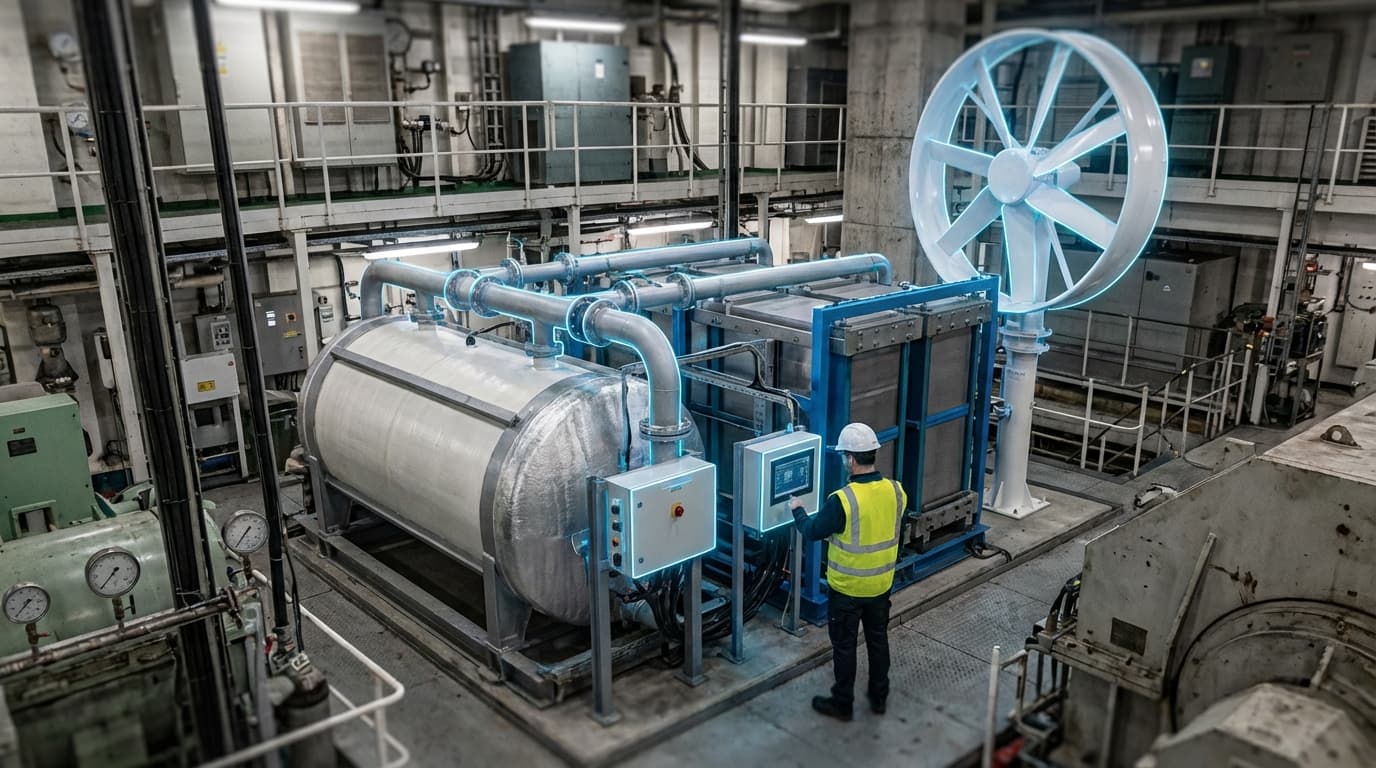
The maritime tourism industry faces mounting pressure to address its substantial environmental footprint, with cruise ships representing some of the most carbon-intensive forms of travel per passenger. Traditional cruise vessels rely heavily on heavy fuel oil and marine diesel, producing significant greenhouse gas emissions, sulfur oxides, and nitrogen oxides that contribute to both climate change and local air pollution in port cities. Sustainable cruise propulsion emerges as a comprehensive solution to this challenge, integrating multiple advanced technologies to transform how these massive vessels generate and manage power. At its core, this approach combines liquefied natural gas (LNG) engines, which burn cleaner than conventional marine fuels, with hydrogen fuel cells that produce only water vapor as a byproduct, advanced battery storage systems for peak shaving and zero-emission port operations, and wind-assist technologies such as rotor sails or rigid wing sails that harness natural wind power to supplement mechanical propulsion.
The transition to sustainable propulsion systems addresses several critical limitations of conventional cruise ship operations. LNG combustion reduces carbon dioxide emissions by approximately 20-25% compared to heavy fuel oil while virtually eliminating sulfur oxide and particulate matter emissions, helping cruise lines comply with increasingly stringent International Maritime Organization regulations and coastal emission control areas. Hydrogen fuel cells offer the promise of truly zero-emission operation, though current deployments focus on auxiliary power rather than primary propulsion due to hydrogen storage and bunkering infrastructure constraints. Battery systems enable ships to operate silently and emission-free while docked or navigating sensitive coastal areas, addressing complaints from port communities about air quality and noise pollution. Wind-assist technologies provide fuel savings of 5-20% depending on routes and weather conditions, with minimal operational complexity once installed. This multi-technology approach allows cruise operators to optimise their energy mix based on voyage profiles, port requirements, and fuel availability while progressively reducing their environmental impact.
Several major cruise operators have begun deploying these technologies in new vessel construction and retrofit programs, with LNG-powered ships already operating on popular routes and demonstrating the commercial viability of alternative fuels. Early wind-assist installations on cargo vessels have informed cruise ship applications, with rotor sail systems now being specified for upcoming cruise ship orders. Pilot programs exploring hydrogen fuel cell integration for hotel loads and auxiliary systems are underway, though widespread adoption awaits the development of marine hydrogen supply chains. The technology represents a pragmatic pathway toward the cruise industry's ambitious decarbonisation targets, with many operators committing to net-zero emissions by 2050. As fuel costs, regulatory pressures, and consumer preferences increasingly favour sustainable operations, these propulsion systems are transitioning from experimental concepts to essential components of competitive cruise tourism, positioning early adopters to meet both regulatory requirements and growing passenger demand for environmentally responsible travel options.
Related Organizations


Develops and installs Rotor Sails (Flettner rotors), a modernized version of the Flettner rotor for auxiliary wind propulsion.

A global leader in smart technologies for the marine market, developing integrated systems for fleet optimization and emission monitoring.

Provides the eMine portfolio, including charging infrastructure and trolley systems for electric mines.

Supplier of energy storage systems (batteries) for maritime applications.



Manufacturer of solid oxide fuel cells that provide always-on primary power for microgrids.
Supporting Evidence
Research this in Signals
Signals turns a topic into a sourced research record you can inspect and rerun. Your first scan is free, and this one starts with Sustainable Cruise Propulsion already loaded, so edit it or scan as is.