Electric Maritime Ferries
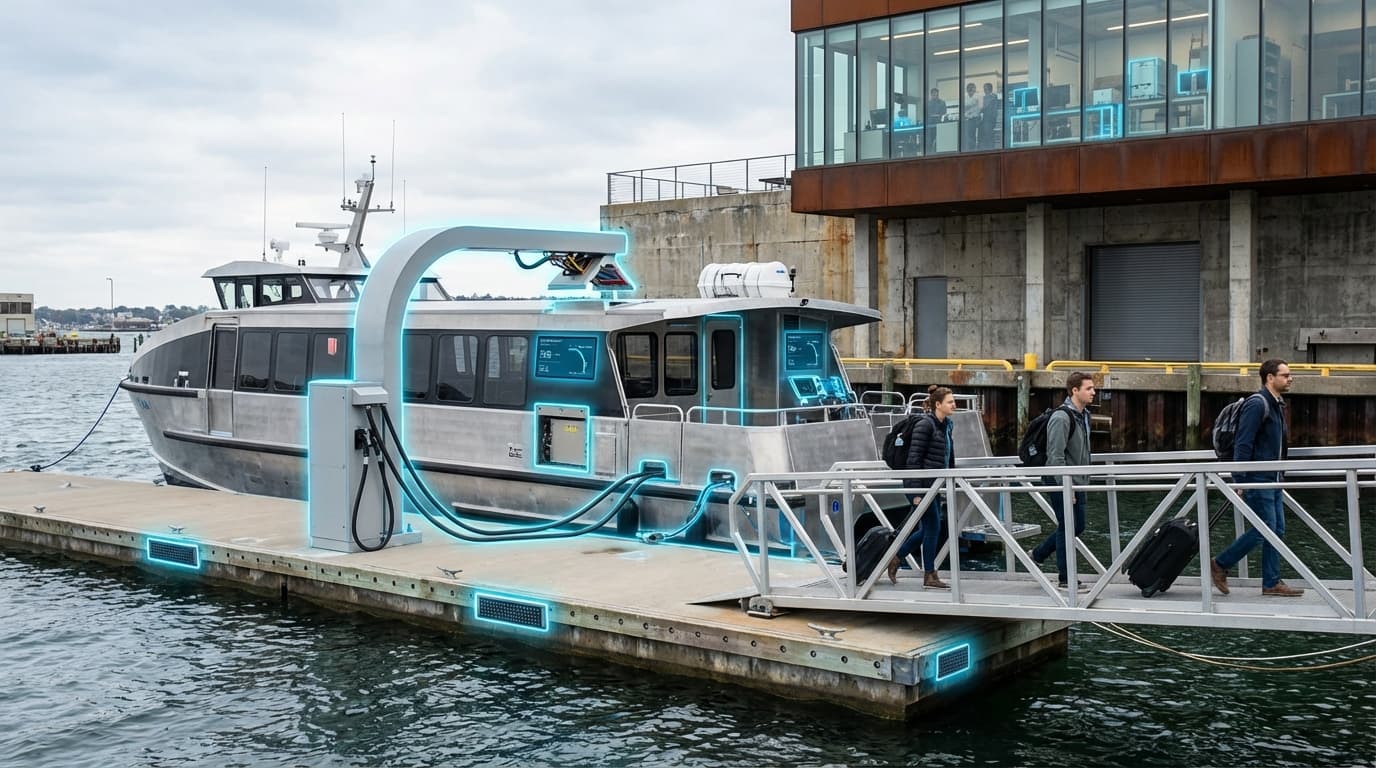
Electric maritime ferries represent a fundamental shift in short-sea passenger transport, replacing traditional diesel-powered vessels with battery-electric propulsion systems. These vessels integrate large-capacity lithium-ion battery banks—often ranging from several hundred kilowatt-hours to multi-megawatt-hour installations—with electric motors that drive the propellers. The technology relies on shore-based charging infrastructure, typically utilizing high-power charging stations at ferry terminals that can replenish batteries during passenger boarding and disembarkation periods. Advanced battery management systems monitor cell temperatures, charge states, and power distribution to optimize performance and longevity. The electric drivetrain eliminates the need for complex mechanical transmission systems found in conventional ferries, reducing maintenance requirements while enabling precise speed control and maneuverability in congested harbor environments.
The maritime transport sector faces mounting pressure to reduce greenhouse gas emissions and air pollution, particularly in coastal cities and environmentally sensitive regions where diesel exhaust impacts both human health and marine ecosystems. Electric ferries address these challenges by producing zero direct emissions during operation, significantly reducing noise pollution that can disturb marine wildlife and coastal communities. For island nations and archipelago regions heavily dependent on ferry connections, the technology offers energy independence through integration with renewable electricity sources, reducing vulnerability to volatile fuel prices and supply chain disruptions. The operational cost advantages are substantial—electricity typically costs less than marine diesel fuel, and electric motors require far less maintenance than combustion engines, with fewer moving parts and no need for oil changes or exhaust system repairs. This economic case becomes particularly compelling on high-frequency routes with predictable schedules that allow for optimized charging patterns.
Norway has emerged as a global leader in electric ferry deployment, with dozens of battery-powered vessels now operating on fjord crossings and coastal routes, demonstrating the technology's viability in demanding maritime conditions. Similar adoption is occurring in Denmark, where electric ferries serve urban harbor routes, and in North America, where operators in Washington State and British Columbia are transitioning fleets to electric propulsion. The technology proves especially well-suited for short to medium-distance routes—typically under 50 nautical miles—where charging infrastructure can be strategically positioned and battery capacity aligns with operational requirements. As battery energy density continues improving and charging speeds increase, the viable range for electric ferries expands, opening possibilities for longer routes and larger vessels. This evolution aligns with broader decarbonization commitments in the maritime industry and growing tourist demand for sustainable travel options, positioning electric ferries as essential infrastructure for coastal and island communities seeking to balance connectivity with environmental stewardship.
Research this in Signals
Signals turns a topic into a sourced research record you can inspect and rerun. Your first scan is free, and this one starts with Electric Maritime Ferries already loaded, so edit it or scan as is.