









Self-Sovereign Identity
Self-Sovereign Identity (SSI)
Decentralized digital identity system giving travelers control over their verified credentials
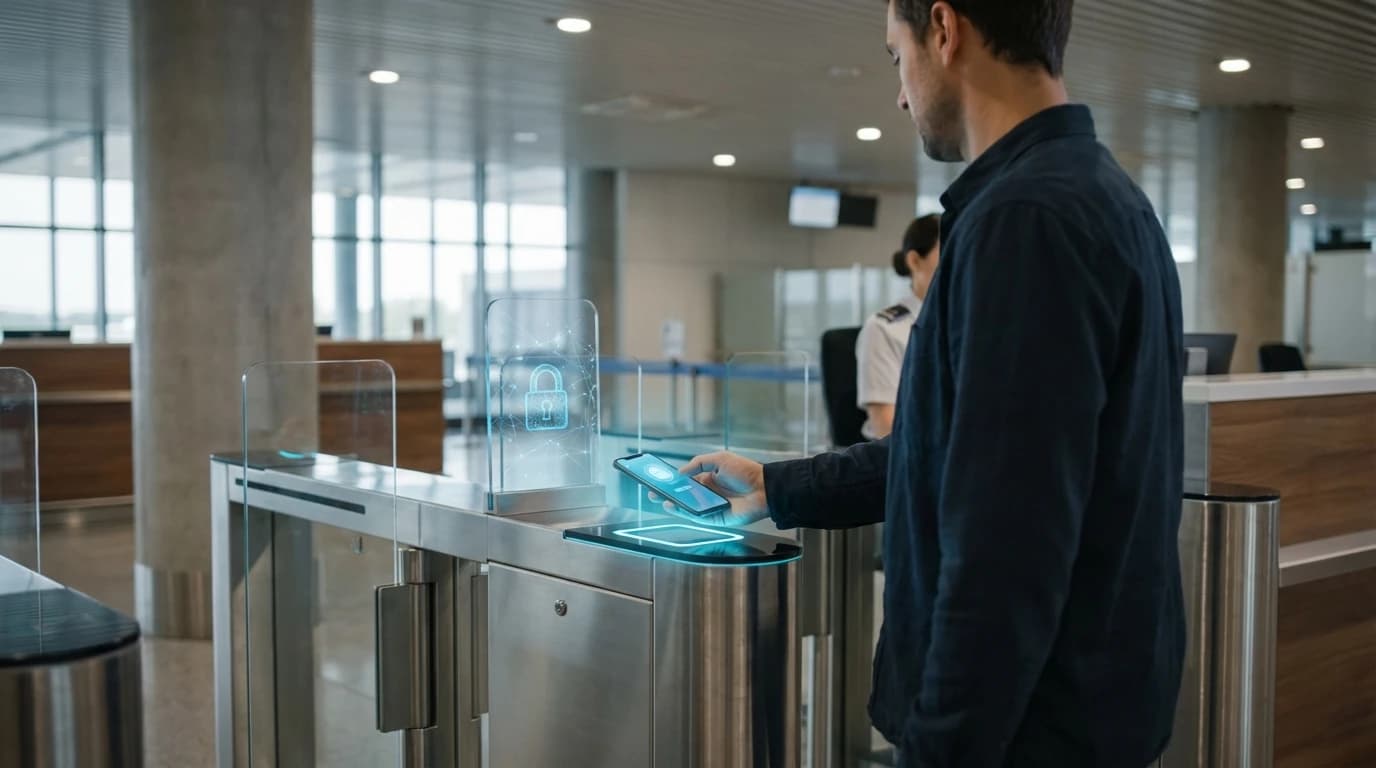
Self-Sovereign Identity (SSI) represents a fundamental shift in how personal credentials and identity information are managed in the digital realm, particularly within the travel and tourism sector. Unlike traditional identity systems where governments, airlines, or hotels maintain centralized databases of traveler information, SSI operates on a decentralized architecture that places individuals at the center of their own identity management. The framework leverages distributed ledger technology and cryptographic principles to enable travelers to store verified credentials—such as passports, visas, vaccination records, and loyalty program memberships—in secure digital wallets on their personal devices. These credentials are issued by trusted authorities (governments, airlines, health organizations) and cryptographically signed to ensure authenticity. When verification is required, travelers can selectively disclose only the specific attributes needed for a given interaction, using zero-knowledge proofs and similar privacy-preserving techniques. For instance, a traveler might prove they are over 18 without revealing their exact birthdate, or confirm vaccination status without exposing their complete medical history.
The travel industry faces persistent challenges around identity verification, data privacy, and the friction inherent in repeatedly sharing sensitive personal information across multiple touchpoints—from booking flights to checking into hotels to crossing borders. Traditional systems require travelers to present physical documents multiple times, creating opportunities for data breaches, identity theft, and inefficient processing. Airlines and border agencies often maintain redundant databases of the same traveler information, increasing security risks and compliance burdens under regulations like GDPR. SSI addresses these pain points by enabling a "verify once, use many times" model where credentials are verified at issuance and can then be trusted across the entire travel ecosystem without requiring centralized intermediaries. This approach significantly reduces the attack surface for data breaches, as no single entity holds comprehensive traveler profiles. It also streamlines passenger processing, potentially reducing queue times at airports and border crossings while giving travelers unprecedented control over who accesses their information and for what purpose.
Early pilot programs have demonstrated SSI's viability in real-world travel scenarios, with several airports and border agencies testing digital travel credentials that comply with international standards set by organizations like ICAO (International Civil Aviation Organization). These trials suggest that SSI-based systems can accelerate passenger processing while enhancing security and privacy protections. The technology aligns with broader industry movements toward contactless travel experiences and digital transformation, particularly accelerated by pandemic-related demands for minimal physical contact and streamlined health credential verification. As interoperability standards mature and more governments and travel service providers adopt compatible frameworks, SSI has the potential to fundamentally reshape the traveler experience—creating seamless journeys where identity verification becomes nearly invisible while simultaneously giving individuals greater agency over their personal data. The convergence of regulatory pressure for better privacy protections, technological maturation of blockchain and cryptographic systems, and industry demand for more efficient passenger processing positions SSI as a cornerstone technology for the future of travel.
TRL
6/9Demonstrated
Impact
5/5
Investment
3/5
Category
ethics-security
Related Organizations
Develops enterprise-grade decentralized identity software and infrastructure.
Developer
The trade association for the world's airlines, driving the 'One ID' initiative to set standards for contactless biometric travel.
Standards Body
A leading IT provider for the air transport industry, offering Smart Path biometric solutions for seamless airport processing.
Developer
Uses blockchain to verify passenger data without sharing the underlying information between airlines and governments.
Developer
Border security and identity management technology for governments.
Developer

Entrust
United States · Company
A global leader in identities, payments, and data protection.
Developer
Multinational company designing and building electrical systems and providing services for the aerospace, defence, transportation and security markets.
Developer
A digital identity specialist and Microsoft partner focusing on decentralized identity.
Developer
Develops ISO-compliant mobile IDs and digital travel credentials.
Developer
An engineering-driven organization developing the technical specifications and standards for decentralized identity.
Standards Body
What was expected
Published forecasts about this technology, graded against what happened in Hindsight.
Self-Sovereign Identity Solutions
Self-Sovereign Identity Solutions with Privacy Focus
Supporting Evidence
Evidence data is not available for this technology yet.
Research this in Signals
Scan Self-Sovereign Identity (SSI) for yourself.
Signals turns a topic into a sourced research record you can inspect and rerun. Your first scan is free, and this one starts with Self-Sovereign Identity (SSI) already loaded, so edit it or scan as is.