









Space-Based Quantum Internet
This page is a narrower case of it.
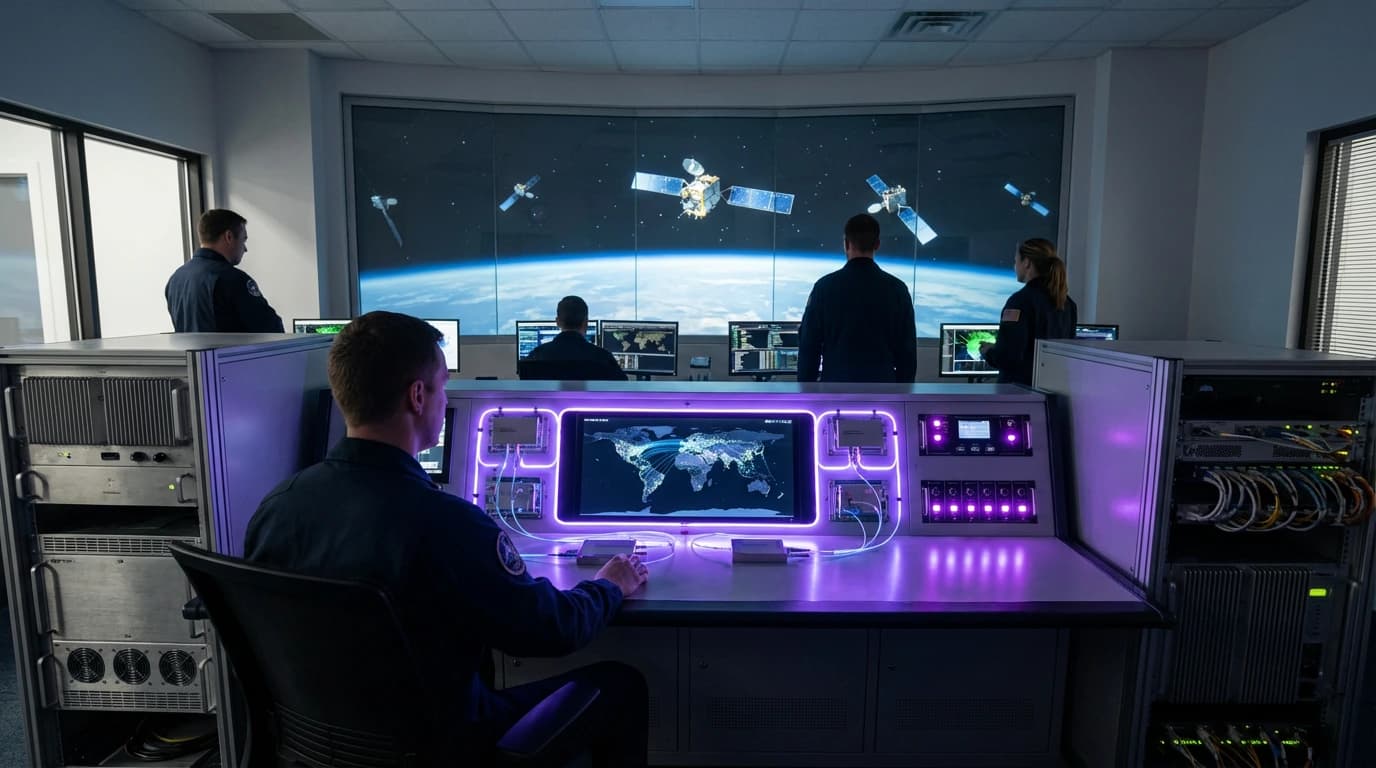
Space-based quantum key distribution (QKD) uses satellites equipped with quantum communication systems to distribute encryption keys encoded in quantum states (typically photons) between ground stations separated by vast distances. The quantum nature of these keys means that any attempt to intercept them would be detectable, providing theoretically un-hackable encryption. This infrastructure overcomes the range limitations of fiber-optic QKD (which is limited to a few hundred kilometers), enabling global quantum-secure communication networks.
This innovation addresses the growing need for secure communication in an era of increasing cyber threats, where traditional encryption methods may become vulnerable to quantum computers. By using quantum key distribution, these systems provide security that is based on the laws of physics rather than computational difficulty, offering protection even against future quantum computers. China has demonstrated space-based QKD with the Micius satellite, and other nations and companies are developing similar capabilities.
The technology could enable a global quantum internet where secure communication is guaranteed by quantum physics rather than computational assumptions. As quantum computing advances and threatens current encryption methods, quantum-secure communication becomes increasingly important. However, the technology faces challenges including the complexity of quantum systems, the need for precise pointing and tracking, and the difficulty of maintaining quantum states over long distances. The technology represents an important step toward quantum-secure global communication, but significant development is needed to make it practical and widespread. Success could provide a foundation for secure communication that remains safe even as computing capabilities advance.
The national scientific body that funded and oversaw the launch of the Micius quantum satellite.
Develops space-based QKD systems to enable global quantum-secure communication networks.
Home to the Institute for Quantum Computing (IQC).
Provides QuantumCloud, a platform that uses a symmetric key agreement protocol originally designed for satellite delivery.
A global leader in quantum cybersecurity solutions, specifically known for their Quantis QRNG chips and appliances.
Canadian startup building a global microsatellite constellation for Quantum Key Distribution.
Developing the ROKS (Responsive Operations for Key Services) mission to demonstrate CubeSat QKD.
The prime contractor for the European Robotic Arm (ERA) currently on the ISS.
Published forecasts about this technology, graded against what happened in Hindsight.
Space-Based Quantum Internet
This page is a narrower case of it.
Signals turns a topic into a sourced research record you can inspect and rerun. Your first scan is free, and this one starts with Space-Based Quantum Key Distribution (QKD) already loaded, so edit it or scan as is.