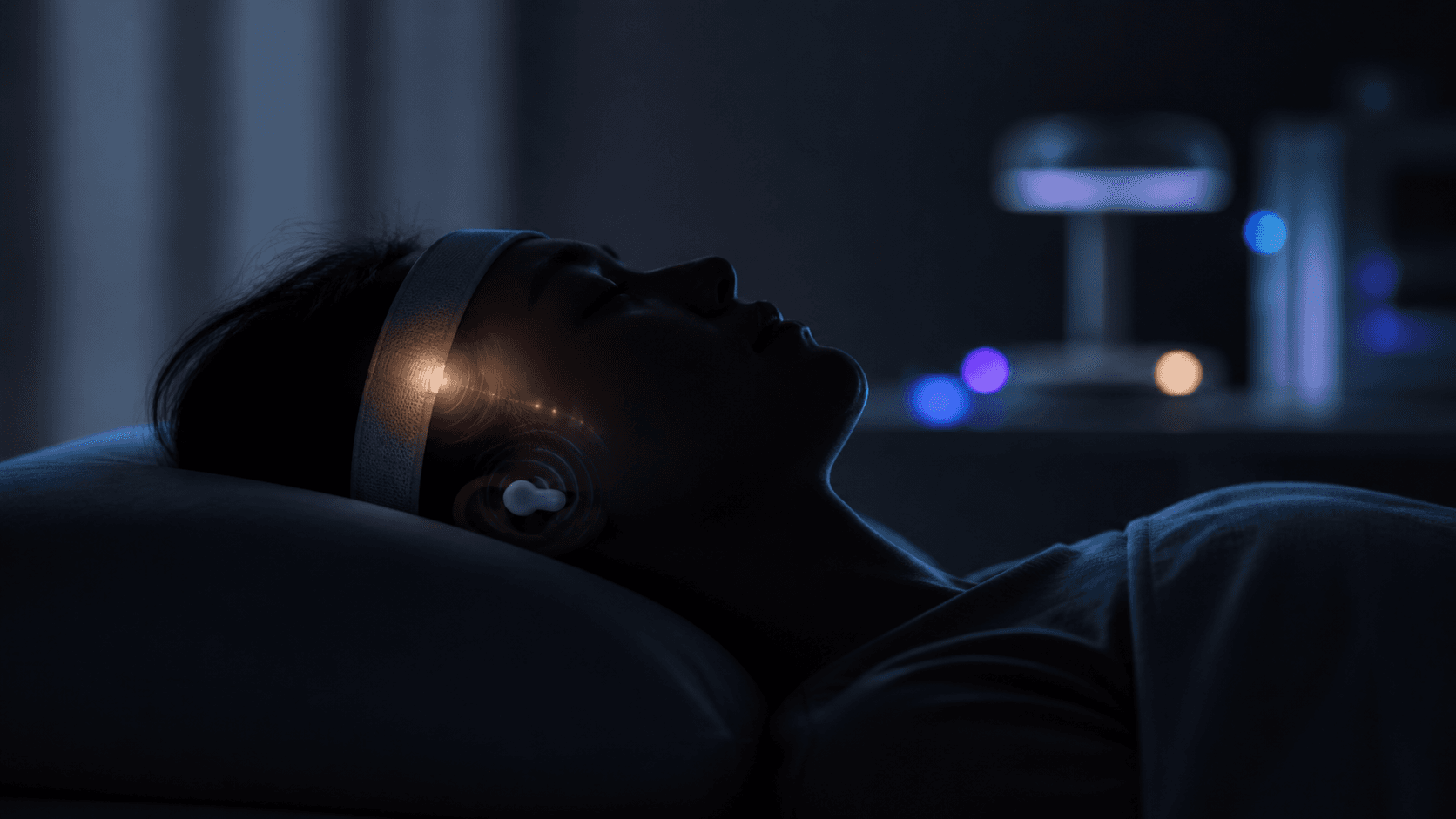
Dream Cueing Systems
Closed-loop dream cueing represents a sophisticated integration of sleep monitoring technology and targeted sensory stimulation to influence dream content in real-time. The system continuously monitors sleep stages using wearable sensors (EEG, heart rate variability, movement) and delivers precisely timed, gentle cues during REM sleep to incorporate specific elements into ongoing dreams without causing awakening.
Technical Implementation and Cue Modalities
Technical implementation includes: real-time sleep stage classification using machine learning algorithms; multi-modal cue delivery systems (audio, haptic, olfactory, visual); adaptive timing based on individual sleep patterns and responsiveness; and feedback loops that adjust cue intensity based on physiological responses. The system must balance effective cue delivery with sleep preservation—a challenge requiring sophisticated signal processing and personalized calibration.
Cue modalities include
audio cues (words, sounds, music) delivered through bone conduction or low-volume speakers; haptic feedback through smart textiles or wearable devices; olfactory stimulation using controlled scent release; and visual cues through closed eyelids using LED arrays or light therapy devices. Advanced systems propose: personalized cue selection based on individual dream themes; adaptive learning algorithms that improve cue effectiveness over time; and integration with lucid dreaming induction protocols.
Applications and Current Status
Applications include therapeutic nightmare treatment through positive cue incorporation; creative inspiration by introducing specific themes or imagery; skill rehearsal through dream-based practice scenarios; and research into dream content manipulation and consciousness during sleep. The technology represents a practical bridge between sleep science and applied consciousness research.
Current limitations include
individual variability in cue responsiveness; potential for sleep disruption with improper implementation; limited understanding of optimal cue timing and intensity; and the challenge of measuring dream incorporation objectively. However, the convergence of improved sleep monitoring technology, sophisticated signal processing, and growing understanding of dream mechanisms suggests increasingly effective closed-loop cueing systems.
Ethical Considerations
Ethical considerations include consent for experimental dream manipulation; potential psychological effects of external influence on dreams; privacy implications of sleep monitoring; and the responsibility of researchers in exploring consciousness modification. While still experimental, closed-loop dream cueing represents one of the most practical approaches to dream content engineering.
Research this in Signals
Signals turns a topic into a sourced research record you can inspect and rerun. Your first scan is free, and this one starts with Dream Cueing Systems already loaded, so edit it or scan as is.