Domestic Operating System Ecosystem (OpenKylin/deepin)
Geography: Asia Pacific · East Asia · China
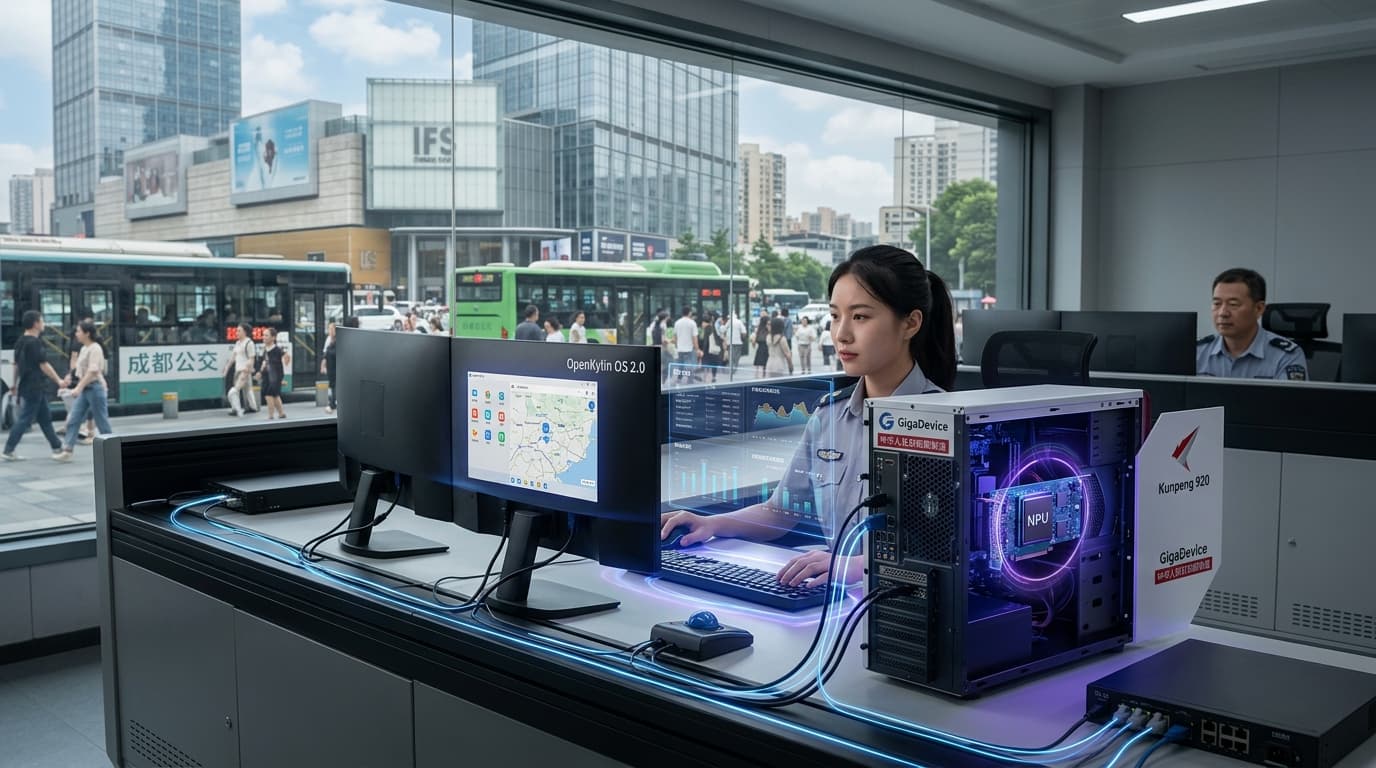
China is systematically replacing Microsoft Windows with domestic Linux-based operating systems across government and state-owned enterprise systems. OpenKylin (open-source, backed by CETC and over 4,000 contributors), deepin (Wuhan Deepin Technology), and Unity Operating System (UOS, by UnionTech) are the leading distributions. The government has mandated that all government computers transition to domestic OS by 2027, affecting an estimated 50 million machines.
This initiative — often called 'Xinchuang' (信创, information technology application innovation) — addresses a fundamental sovereignty gap. Windows telemetry, update mechanisms, and cryptographic implementations are controlled by Microsoft, a US company subject to US government demands. For a nation with China's security posture, running foreign operating systems on government networks is an unacceptable vulnerability. The domestic OS push is paired with HarmonyOS for mobile/IoT devices (already in the radar).
The desktop OS transition faces real challenges: software compatibility, user retraining, and the entrenched Windows ecosystem of enterprise applications. However, China's government procurement power is forcing the ecosystem to develop — domestic office suites (WPS Office), browsers, and enterprise software are being adapted for Linux. Success would make China the first major economy to break the Windows/macOS desktop duopoly at government scale.
Research this in Signals
Signals turns a topic into a sourced research record you can inspect and rerun. Your first scan is free, and this one starts with Domestic Operating System Ecosystem (OpenKylin/deepin) already loaded, so edit it or scan as is.