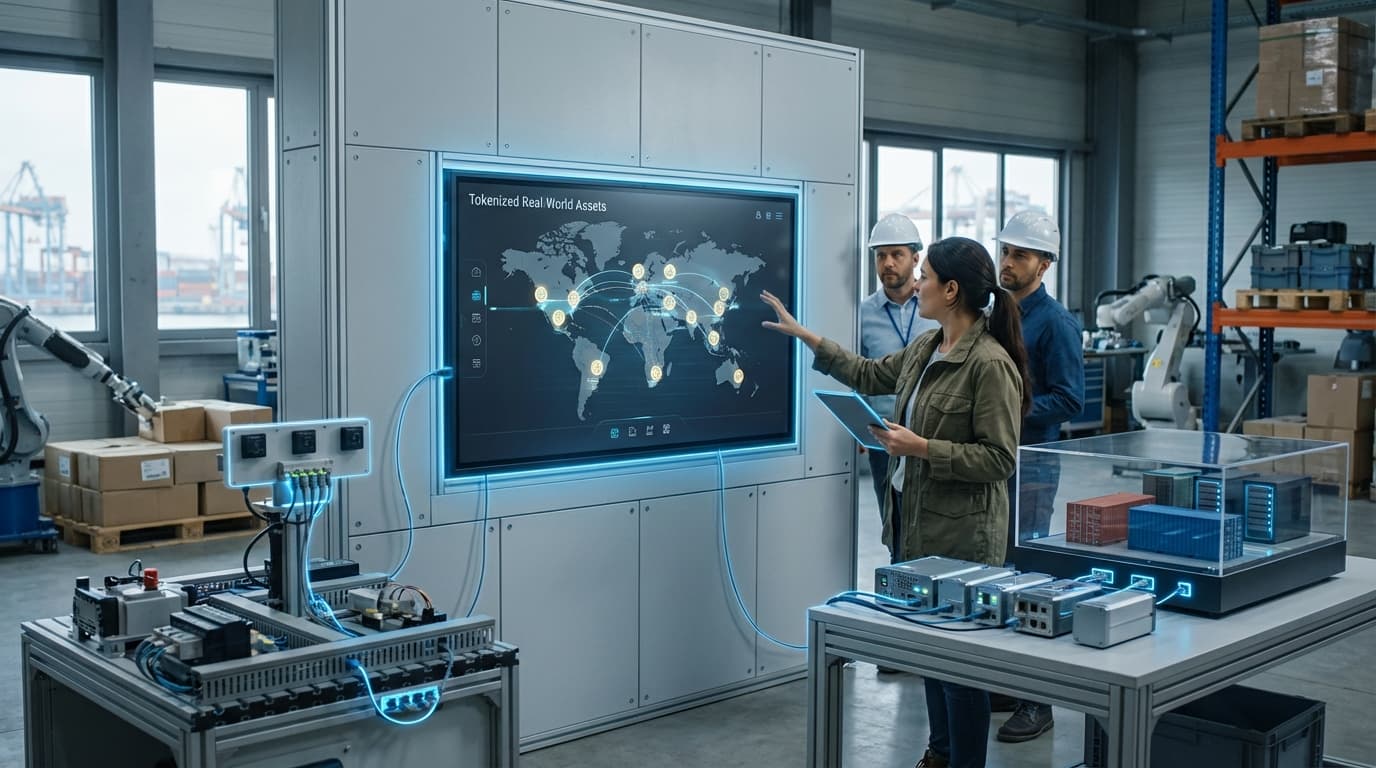
Tokenized Real-World Assets
Tokenized Real-World Assets represent a fundamental shift in how ownership of physical and financial assets is recorded, transferred, and managed. This approach uses blockchain technology to create digital tokens that correspond to ownership stakes in tangible assets such as real estate, commodities, fine art, private equity, and infrastructure. Each token acts as a cryptographic certificate of ownership, with the blockchain serving as an immutable ledger that tracks all transactions and ownership changes. The underlying mechanism relies on smart contracts—self-executing code on the blockchain—that automate compliance checks, enforce transfer restrictions, and manage the distribution of income generated by the underlying asset. Unlike traditional ownership structures that require extensive paperwork, intermediaries, and settlement periods measured in days or weeks, tokenized assets enable near-instantaneous verification and transfer of ownership rights while maintaining a transparent and auditable record of all transactions.
The financial services industry has long grappled with the challenge of illiquidity in alternative asset classes, where high minimum investment thresholds, complex legal structures, and lengthy transaction processes have restricted access to institutional investors and high-net-worth individuals. Tokenization addresses these barriers by enabling fractional ownership, allowing assets to be divided into smaller, more affordable units that can be purchased by a broader range of investors. This democratization of access extends beyond individual participation to fundamentally reshape market dynamics: assets that previously required months to buy or sell can now be traded around the clock on digital exchanges, with settlement occurring automatically through smart contracts. The programmable nature of these tokens also allows issuers to embed compliance requirements directly into the asset itself, automatically enforcing restrictions on who can purchase tokens, ensuring regulatory reporting occurs in real-time, and managing complex waterfall distributions without manual intervention. This capability is particularly valuable in regulated markets where securities laws, anti-money laundering requirements, and investor accreditation standards must be continuously maintained.
Early implementations of tokenized real-world assets have emerged across multiple sectors, with real estate tokenization platforms enabling investors to purchase fractional interests in commercial properties, and commodity-backed tokens providing exposure to precious metals without the logistical challenges of physical storage. Financial institutions are exploring tokenization for private credit instruments and fund shares, seeking to improve liquidity and reduce operational costs associated with traditional fund administration. The technology aligns with broader trends toward digital transformation in financial markets, including the development of central bank digital currencies and institutional blockchain infrastructure. As regulatory frameworks mature and standardization efforts progress, tokenized assets are positioned to become a standard component of capital markets infrastructure, potentially unlocking trillions of dollars in previously illiquid value while creating more efficient, transparent, and accessible financial systems.
Related Organizations
A decentralized asset financing protocol that connects real-world assets (including real estate debt) to DeFi liquidity.




Financial technology company leveraging blockchain for lending and payments.
A decentralized organization dedicated to bringing stability to the crypto economy through the Dai stablecoin.

Regulated blockchain infrastructure platform and issuer of stablecoins (USDP, PYUSD) used for enterprise settlement.

WisdomTree
United States · Company
ETF and ETP sponsor and asset manager.

Developer of the industry-standard decentralized oracle network, enabling smart contracts to securely access off-chain data.
Supporting Evidence
Research this in Signals
Signals turns a topic into a sourced research record you can inspect and rerun. Your first scan is free, and this one starts with Tokenized Real-World Assets already loaded, so edit it or scan as is.