








Real-World Asset (RWA) Tokenization
Tokenized Real-World Assets
Blockchain-based ownership of physical assets like real estate, bonds, and commodities
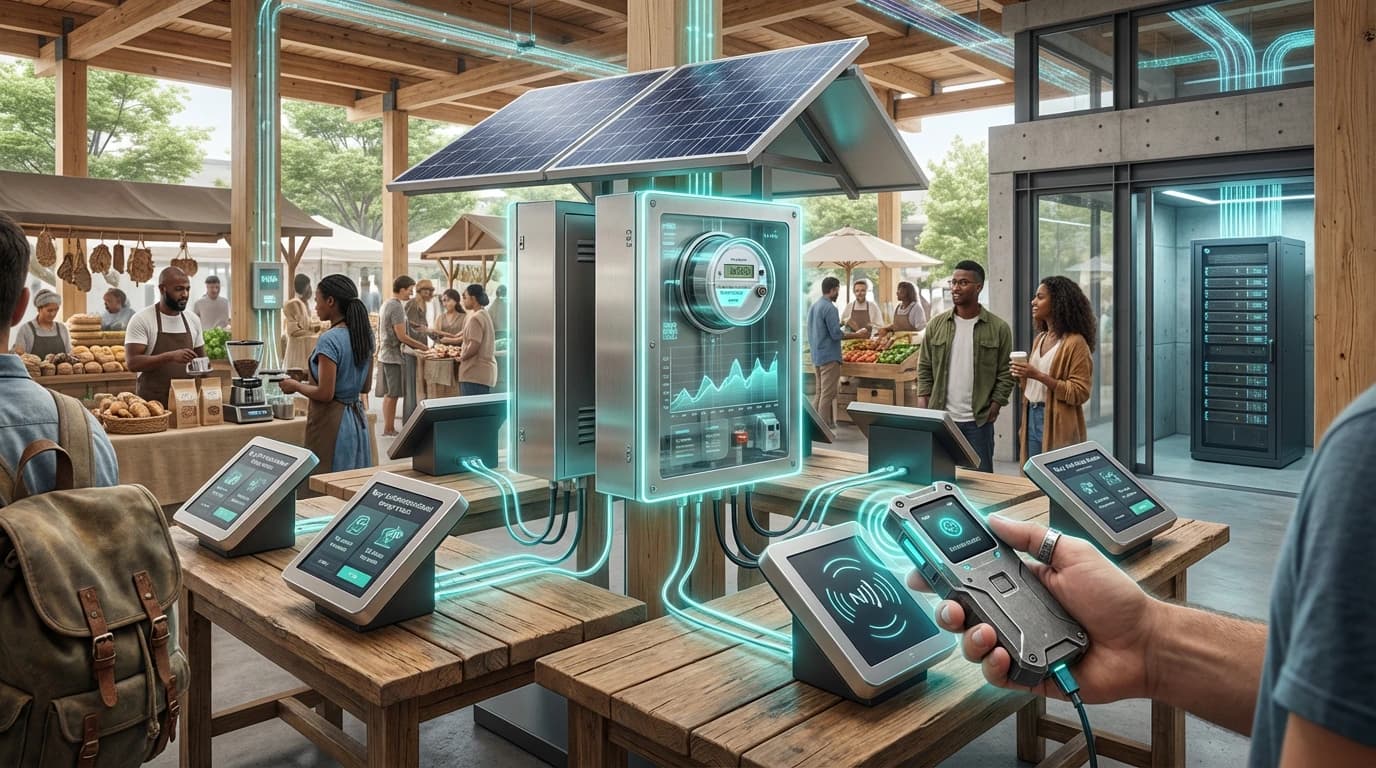
Tokenized real-world assets (RWAs) are blockchain-based representations of physical assets that create liquid, tradeable markets for infrastructure, energy credits, carbon rights, commodities, and fractionalized physical assets (where ownership is split into many shares), enabling assets that were previously illiquid or difficult to trade to be bought and sold easily on blockchain platforms. Early deployments include tokenized treasuries (government bonds on blockchain), private credit (loans represented as tokens), real estate funds (property ownership as tokens), and invoice factoring (accounts receivable as tokens), while more ambitious designs target geo-bound token systems that anchor local communities, energy grids, or city-scale services to a digital value layer, creating new models for asset ownership and trading.
This innovation addresses the illiquidity and inefficiency of traditional asset markets, where many valuable assets are difficult to trade or fractionalize. By tokenizing assets, these systems can create more liquid markets. Companies, financial institutions, and blockchain projects are developing these capabilities.
The technology is particularly significant for enabling new forms of asset ownership and trading, where tokenization could unlock significant value. As these systems expand, they could transform asset markets. However, ensuring legal compliance, managing custody, and maintaining asset backing remain challenges. The technology represents an important evolution in asset markets, but requires continued development to address legal and technical challenges. Success could unlock significant value in illiquid assets, but the technology must overcome regulatory and technical hurdles. Tokenized RWAs are a rapidly growing area of blockchain finance.
TRL
7/9Operational
Impact
5/5
Investment
5/5
Category
Applications
Related Organizations
A decentralized asset financing protocol that connects real-world assets (including real estate debt) to DeFi liquidity.
Developer
DeFi credit protocol that allows for crypto borrowing without crypto collateral, targeting emerging markets.
Developer
Multinational investment bank and financial services holding company.
Developer
Builds infrastructure to bridge carbon credits onto blockchains, creating tokenized carbon reference tokens (BCT, NCT).
Developer

WisdomTree
United States · Company
ETF and ETP sponsor and asset manager.
Deployer
What was expected
Published forecasts about this technology, graded against what happened in Hindsight.
Tokenization of TradFi, Digital Assets & Security Tokens
Supporting Evidence
Evidence data is not available for this technology yet.
Research this in Signals
Scan Tokenized Real-World Assets for yourself.
Signals turns a topic into a sourced research record you can inspect and rerun. Your first scan is free, and this one starts with Tokenized Real-World Assets already loaded, so edit it or scan as is.